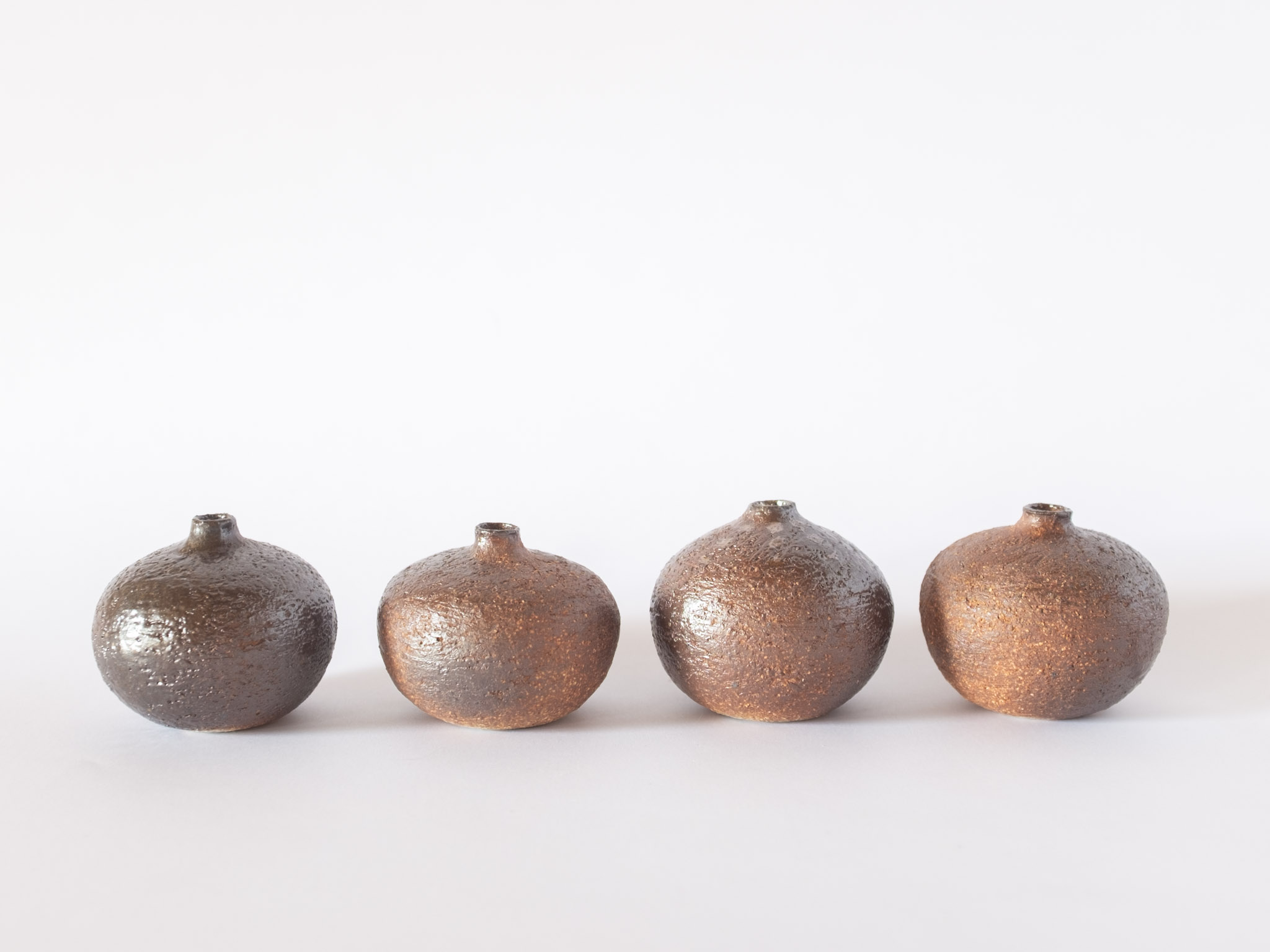
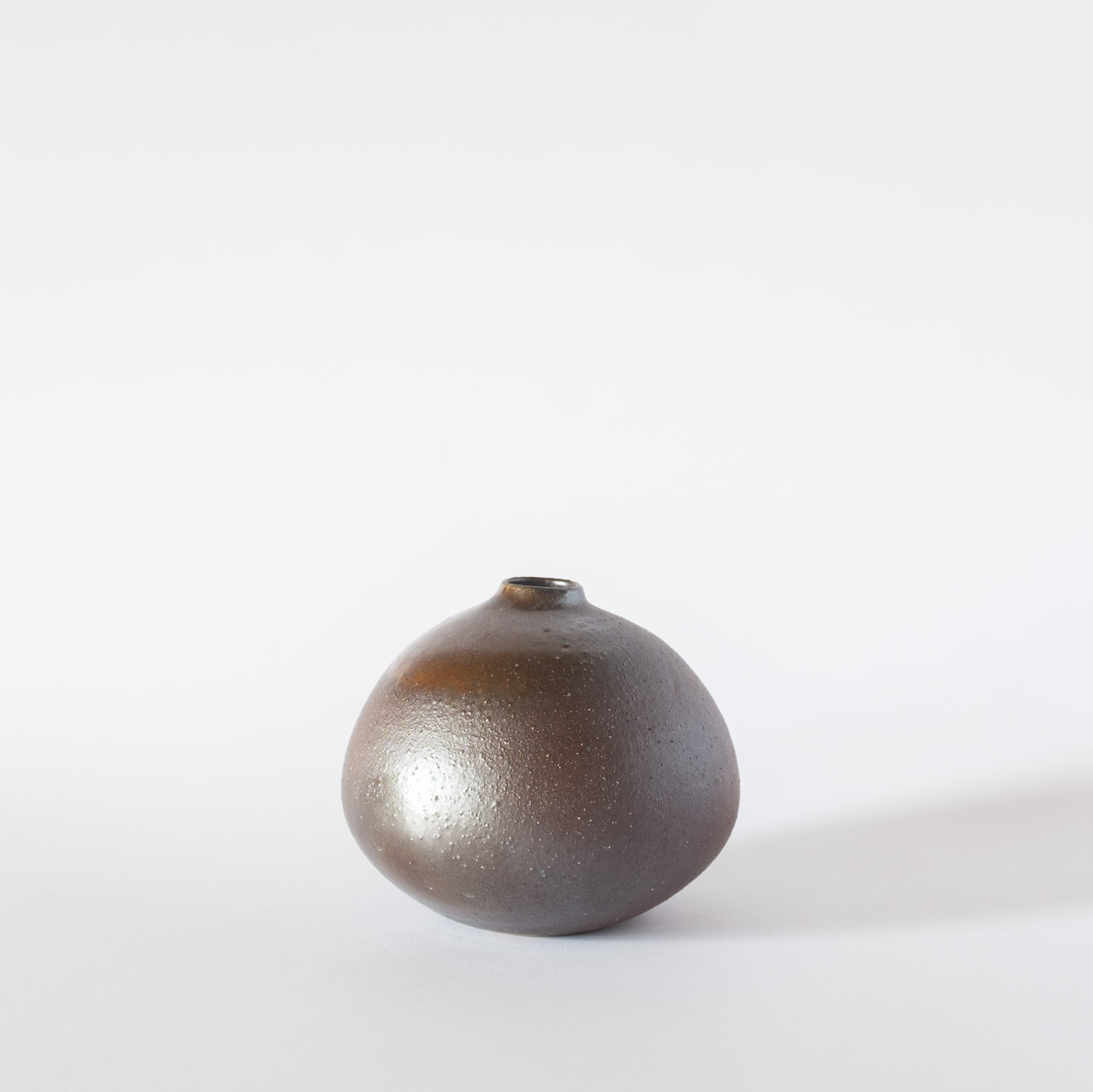
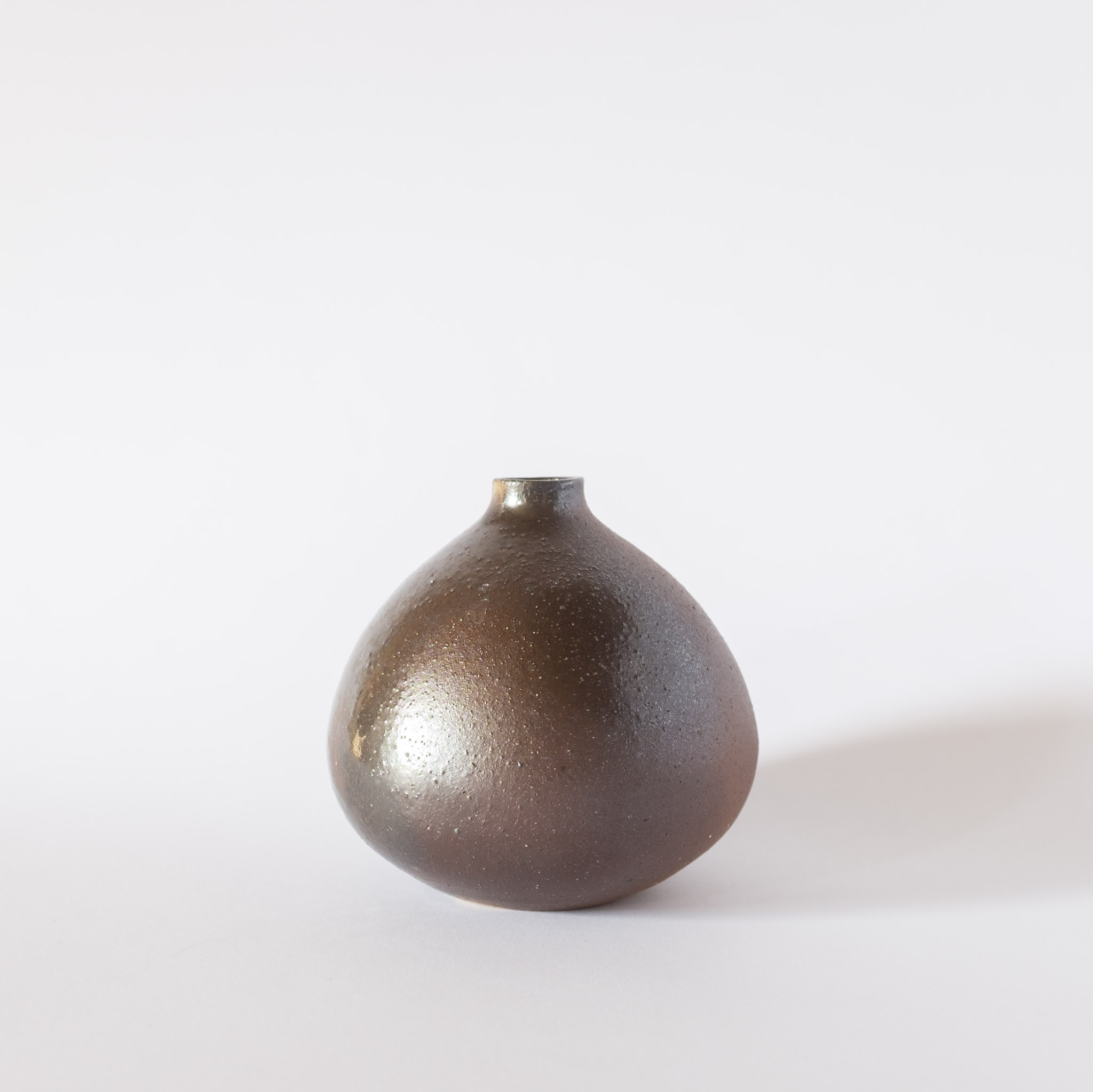
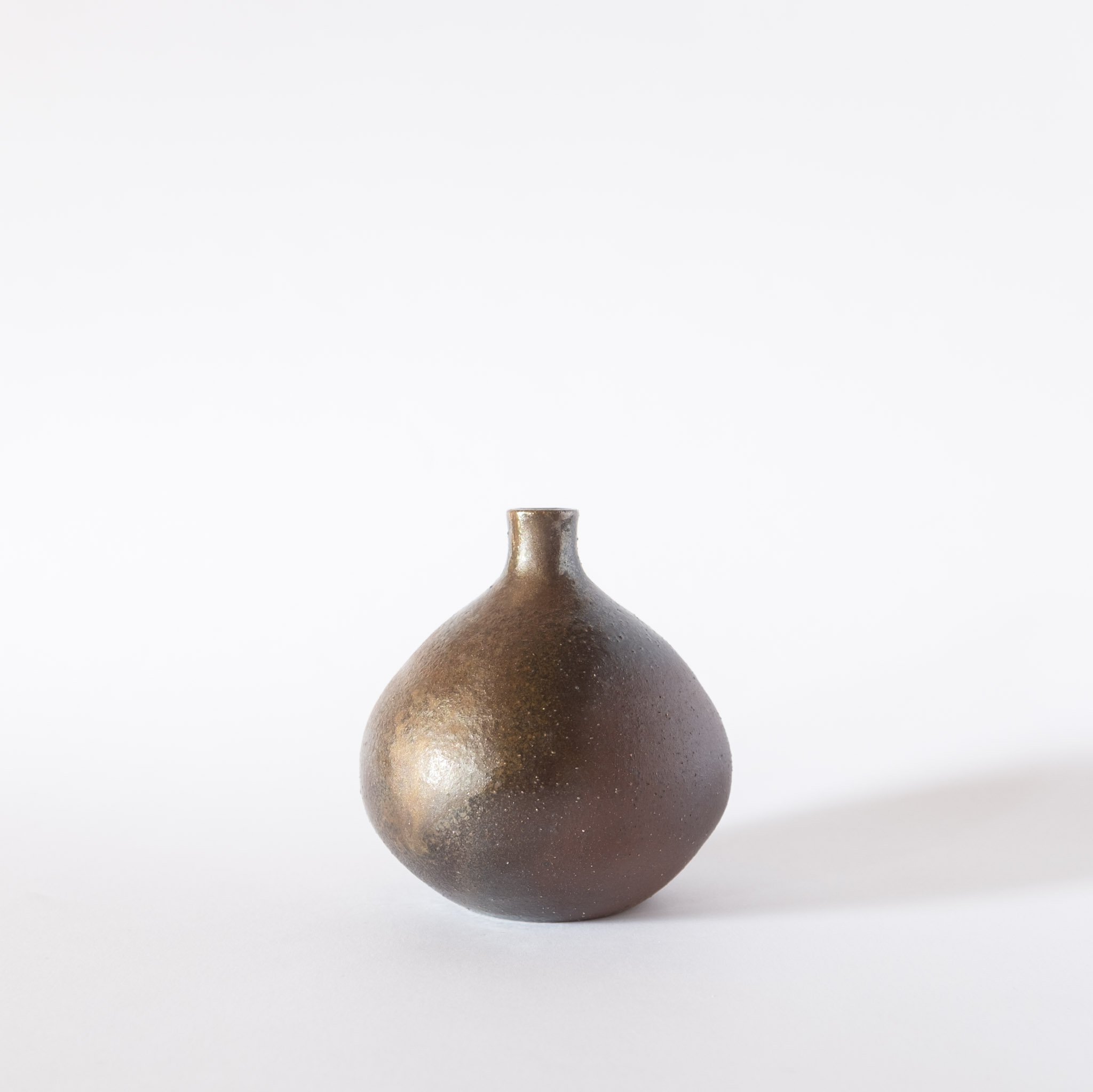
Gallery
At the Fall Equinox, light and darkness arrive at a momentary equilibrium. Day and night stand nearly equal, suspended between the expansive brightness of summer and the gathering darkness of winter. Across cultures and throughout human history, the equinox has marked a threshold: a time to reckon with cycles of growth and decline, abundance and release, presence and disappearance. It is not simply a point of balance, but a turning — the moment when the balance begins to shift.
We lit the wood-fired kiln at this threshold, entering into the season of descent and transformation. If spring asks us to awaken, autumn asks us to gather, to listen, and to let go. The fire became a meeting place for these opposing forces: wood becoming flame, flame becoming heat, heat transforming earth. The darkness of the kiln was interrupted by the fierce radiance of fire, while the fire itself slowly transformed into darkness again — embers, charcoal and ash.
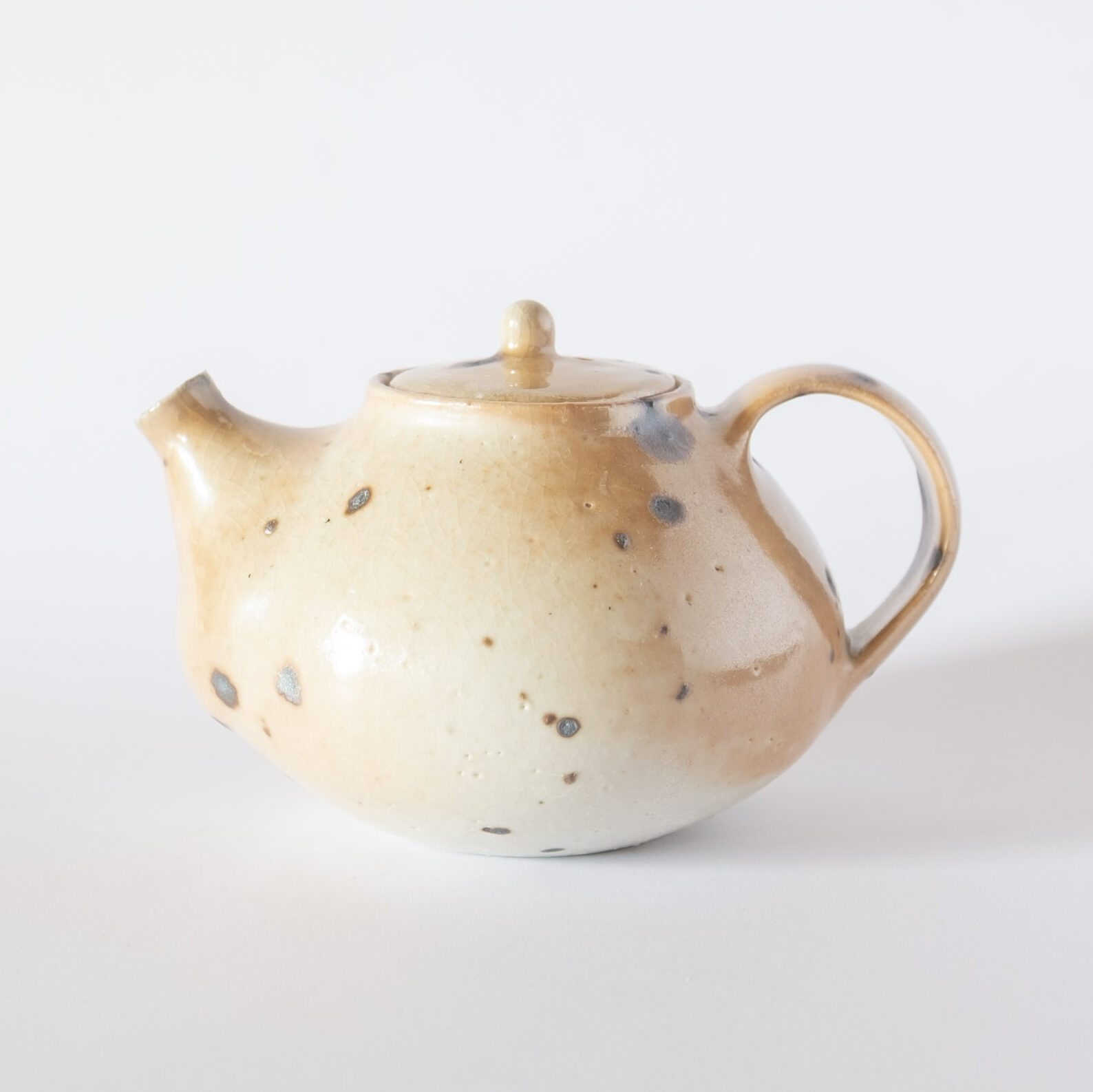
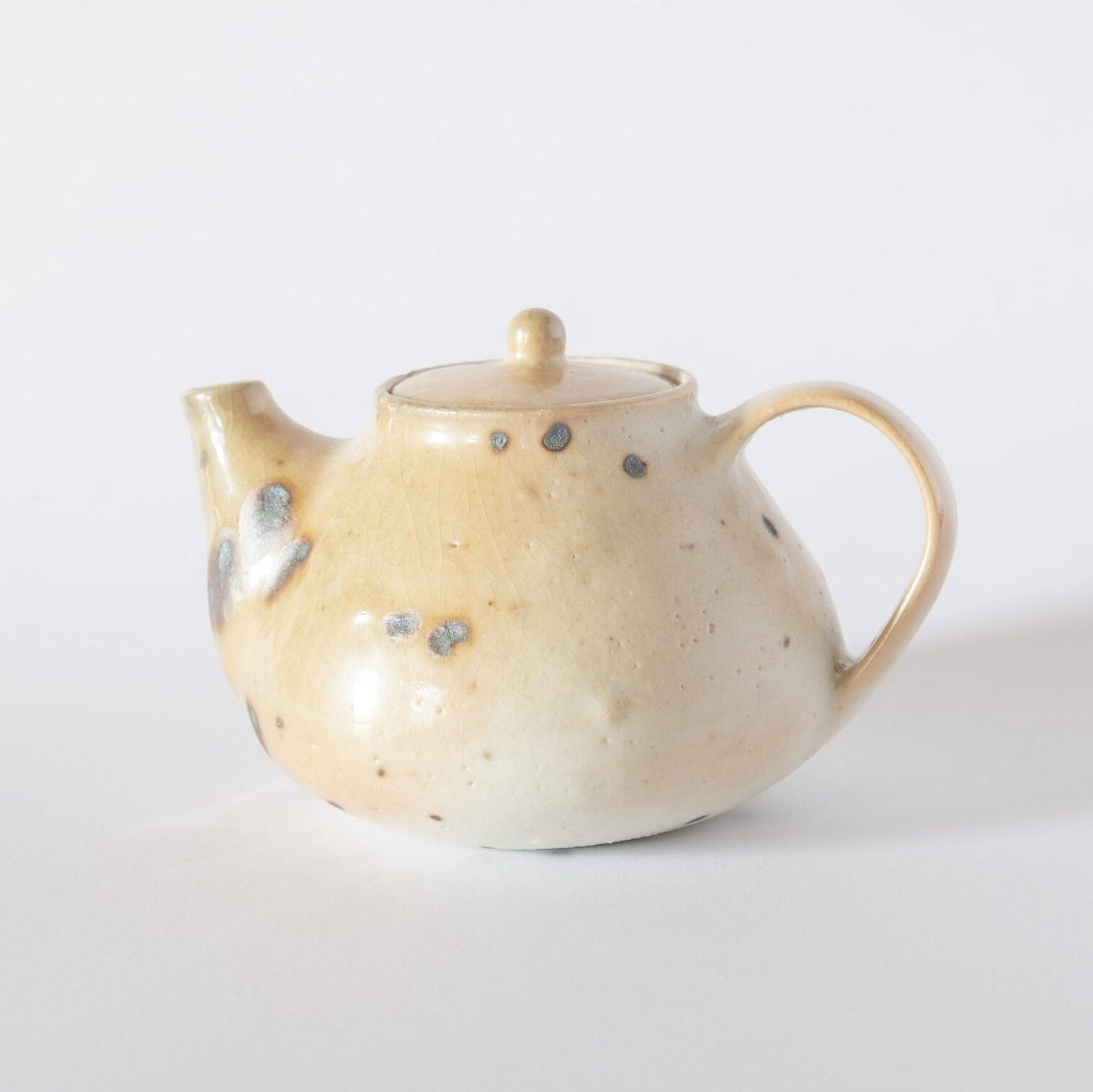
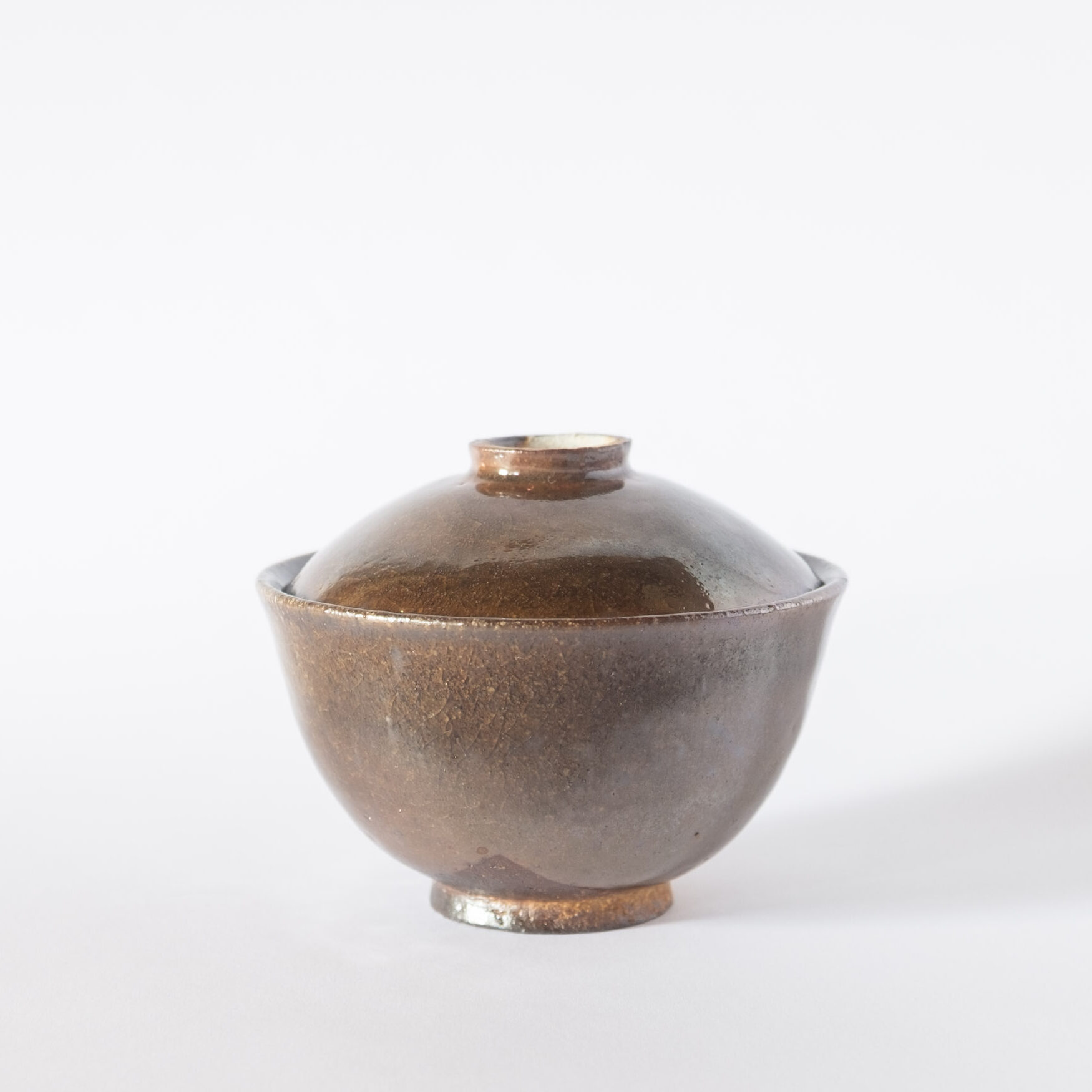
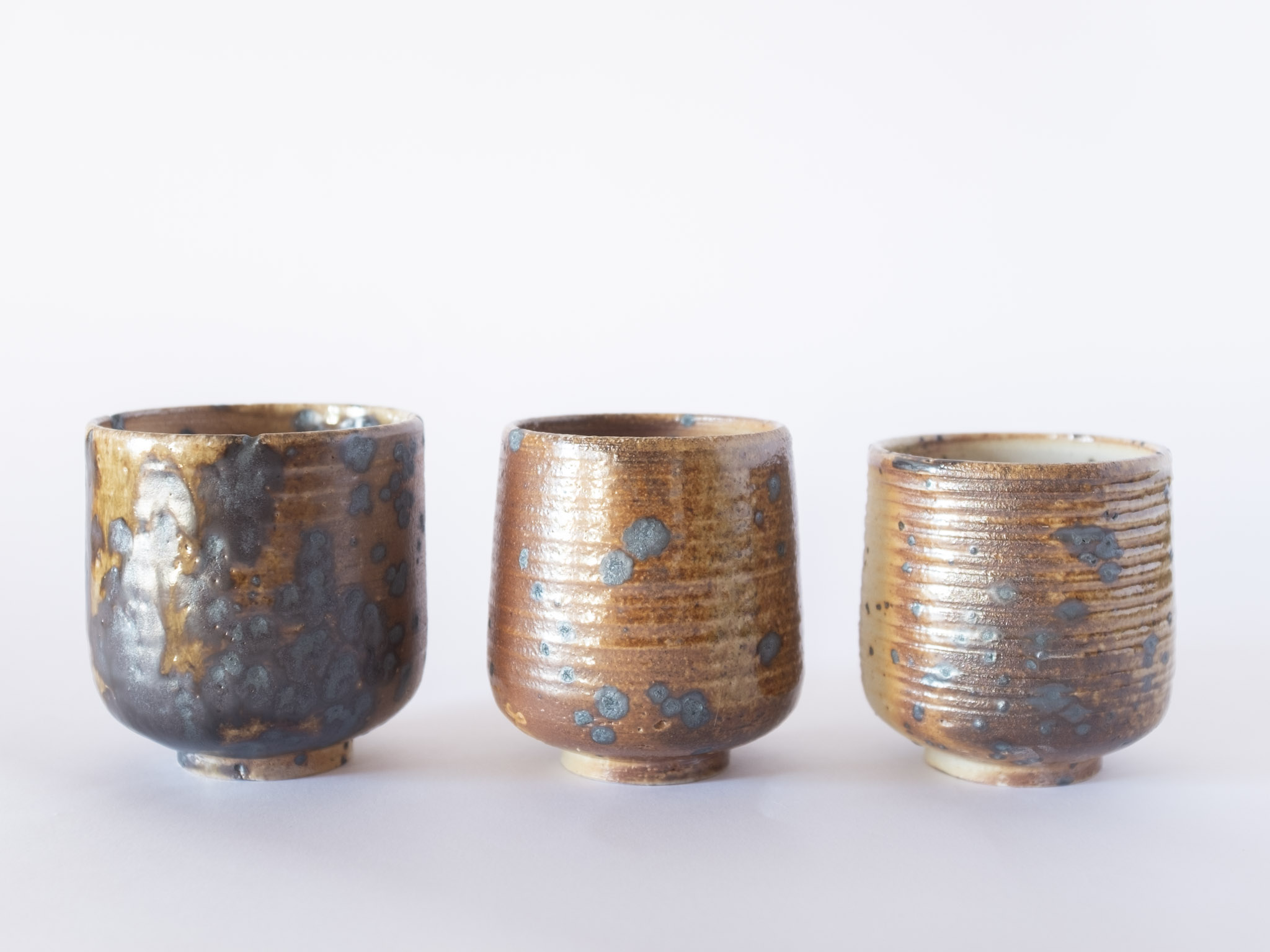
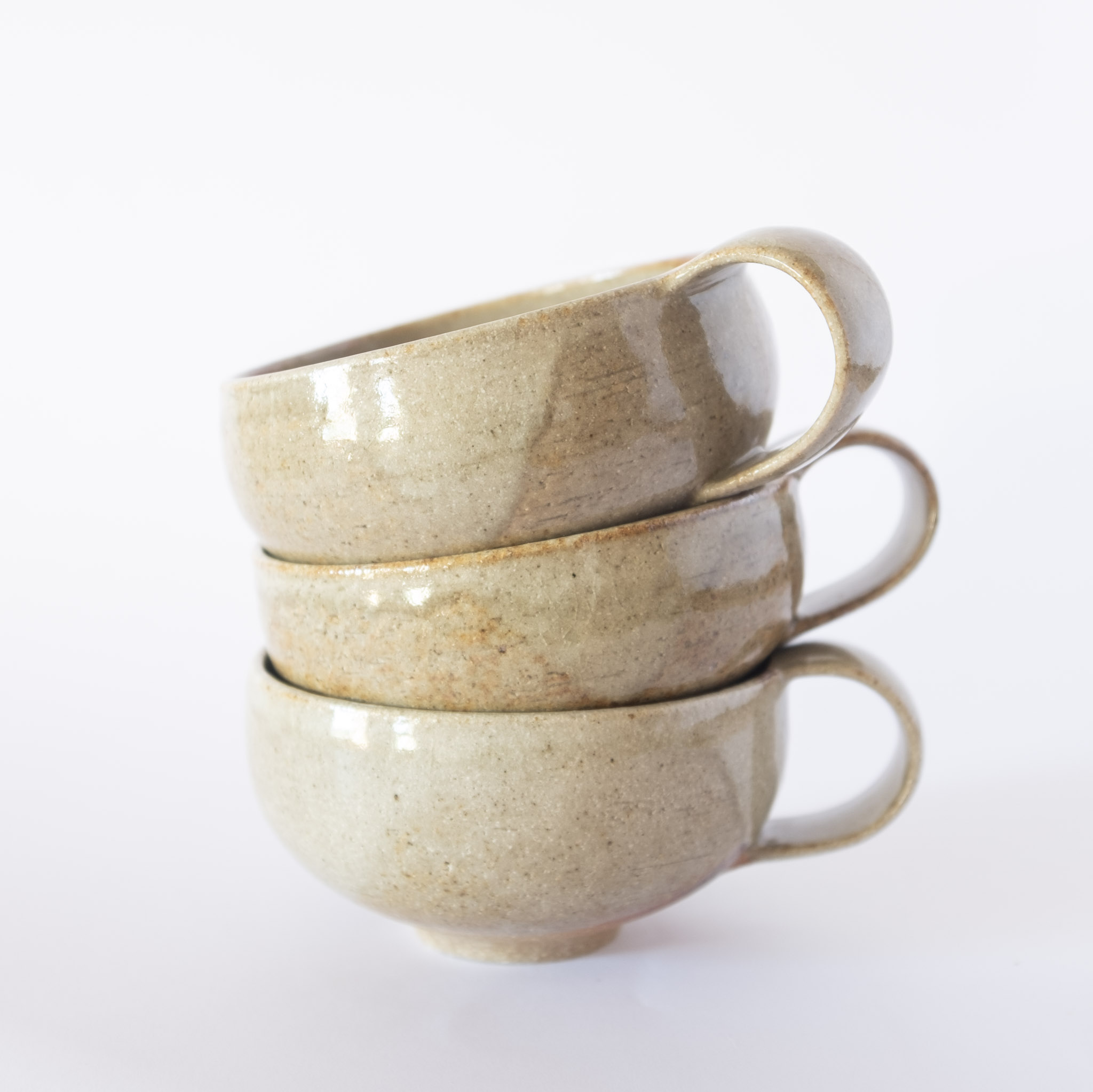
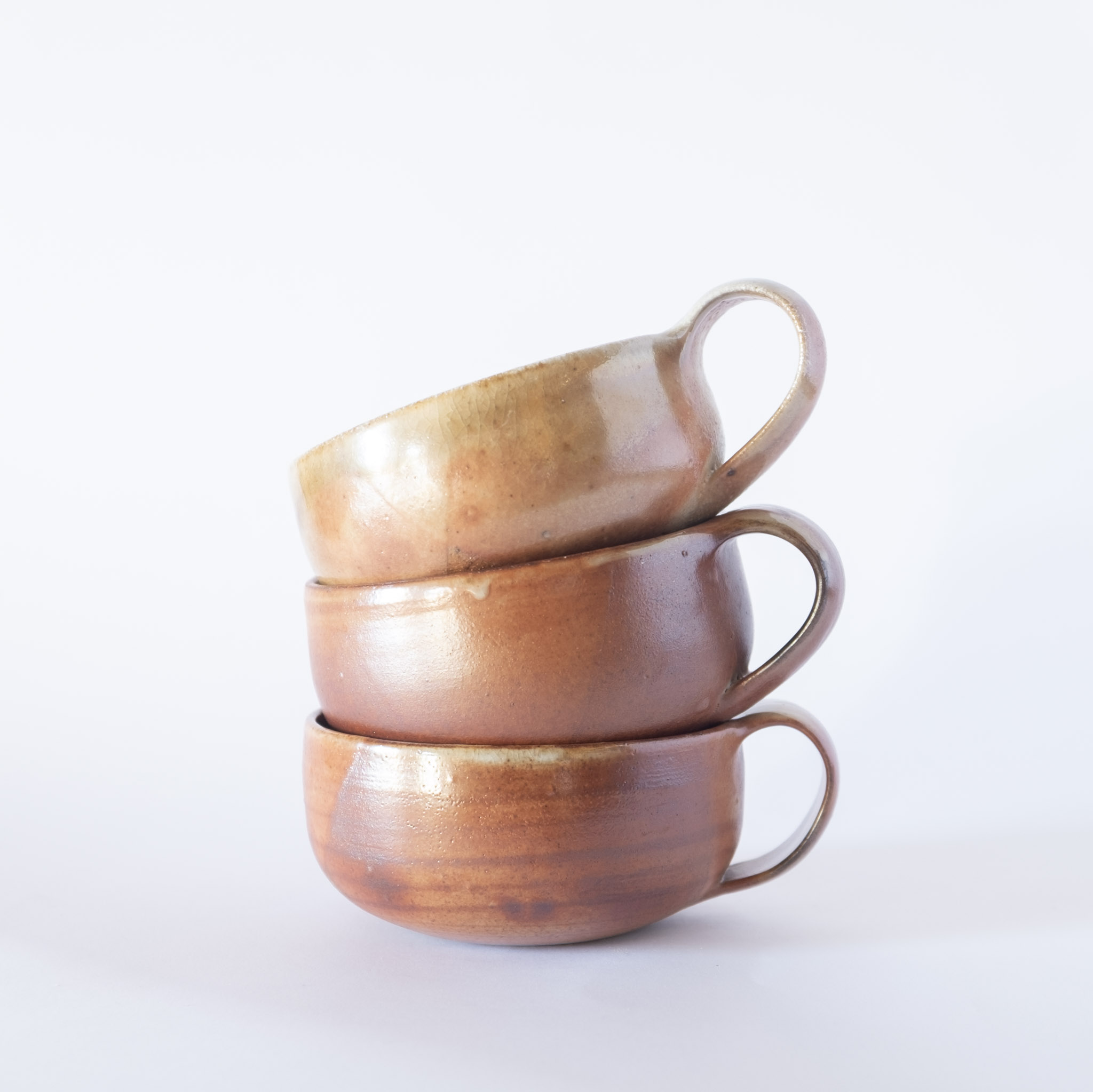
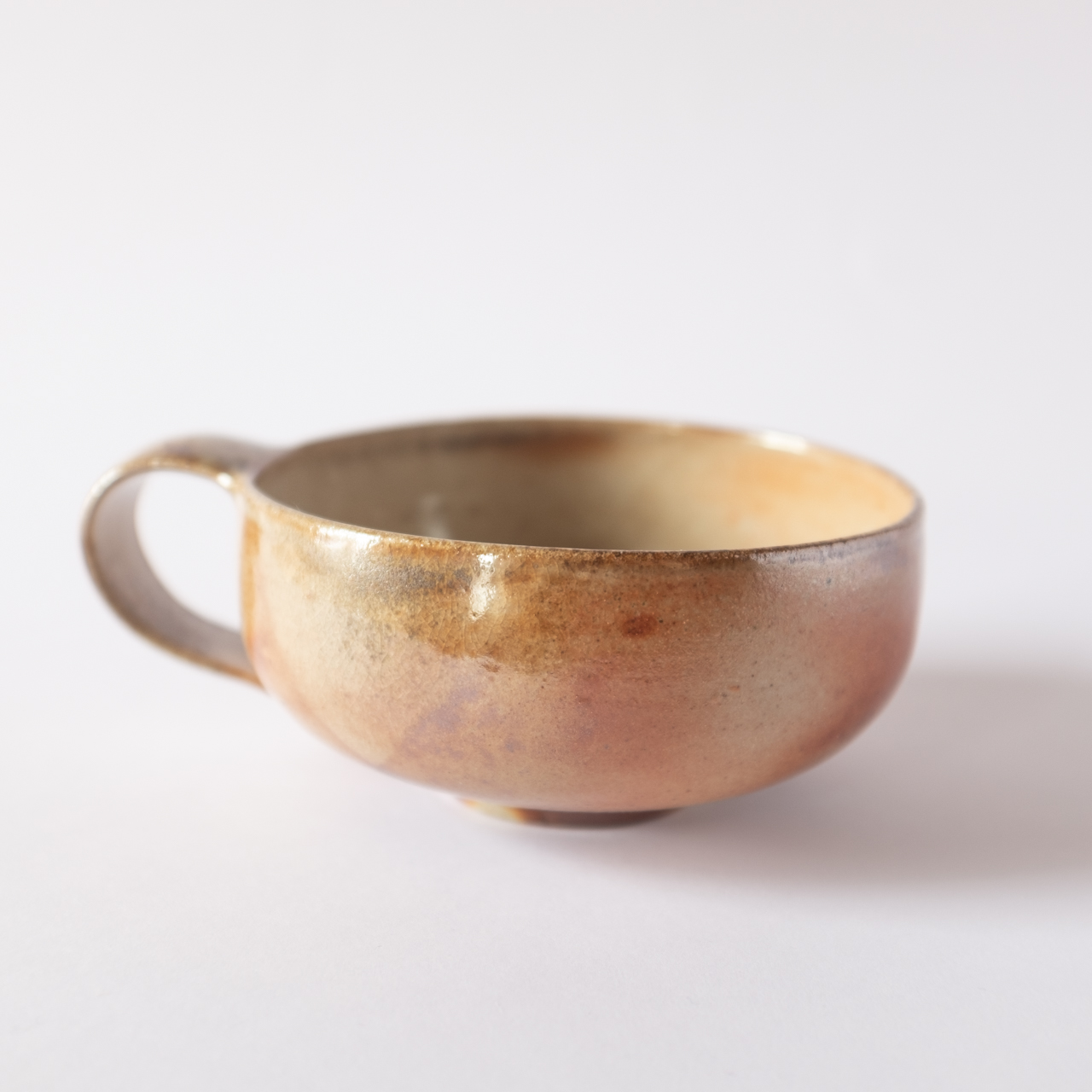
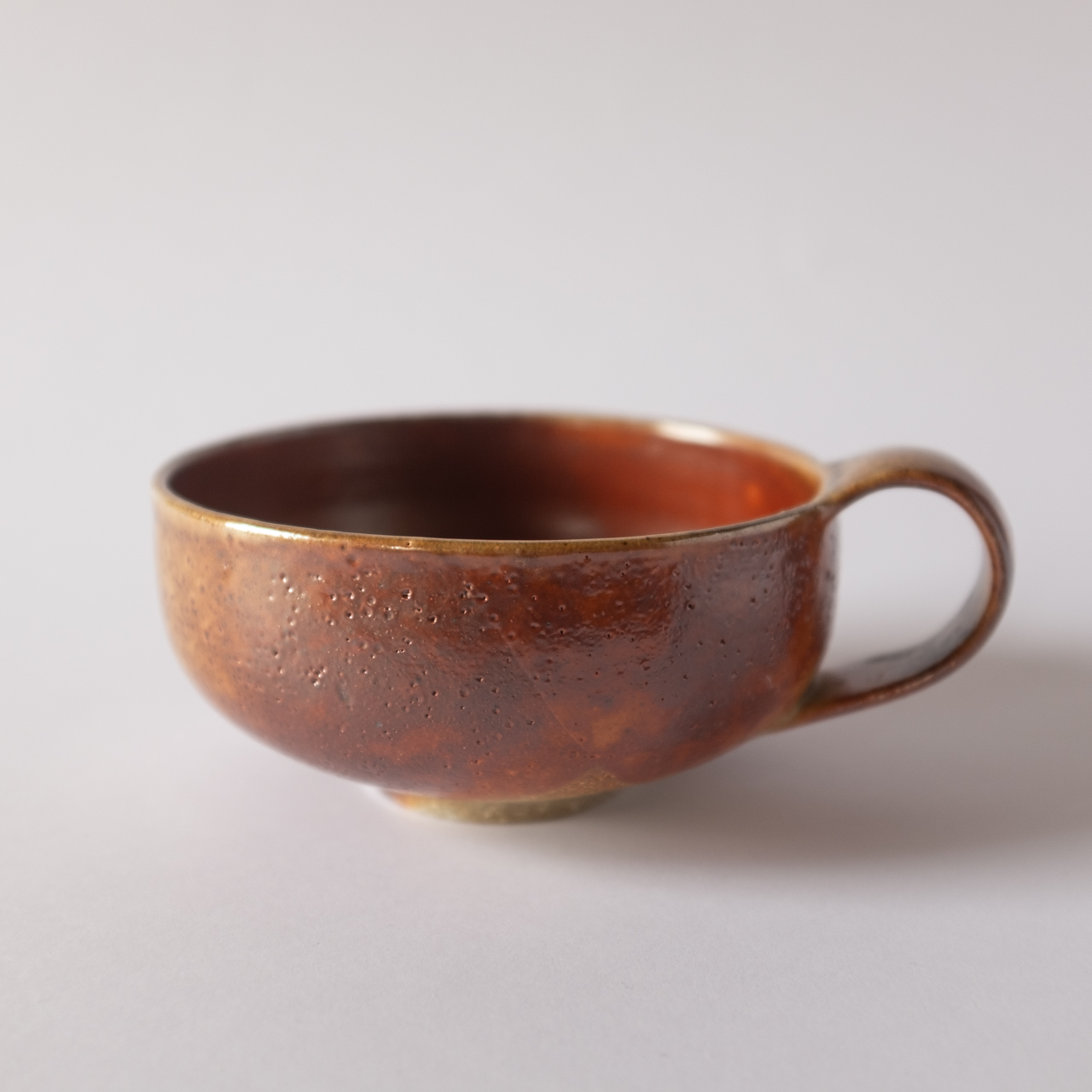
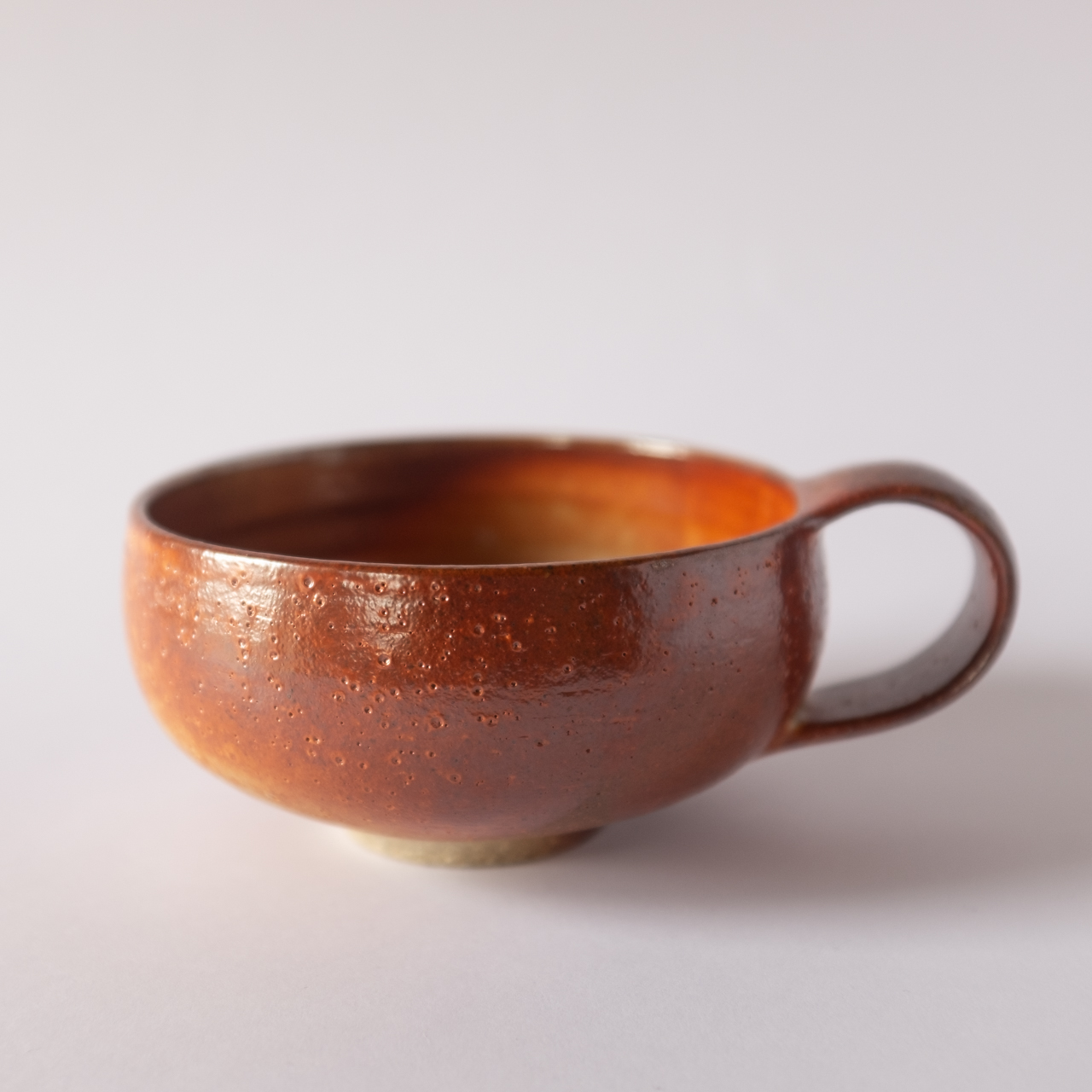
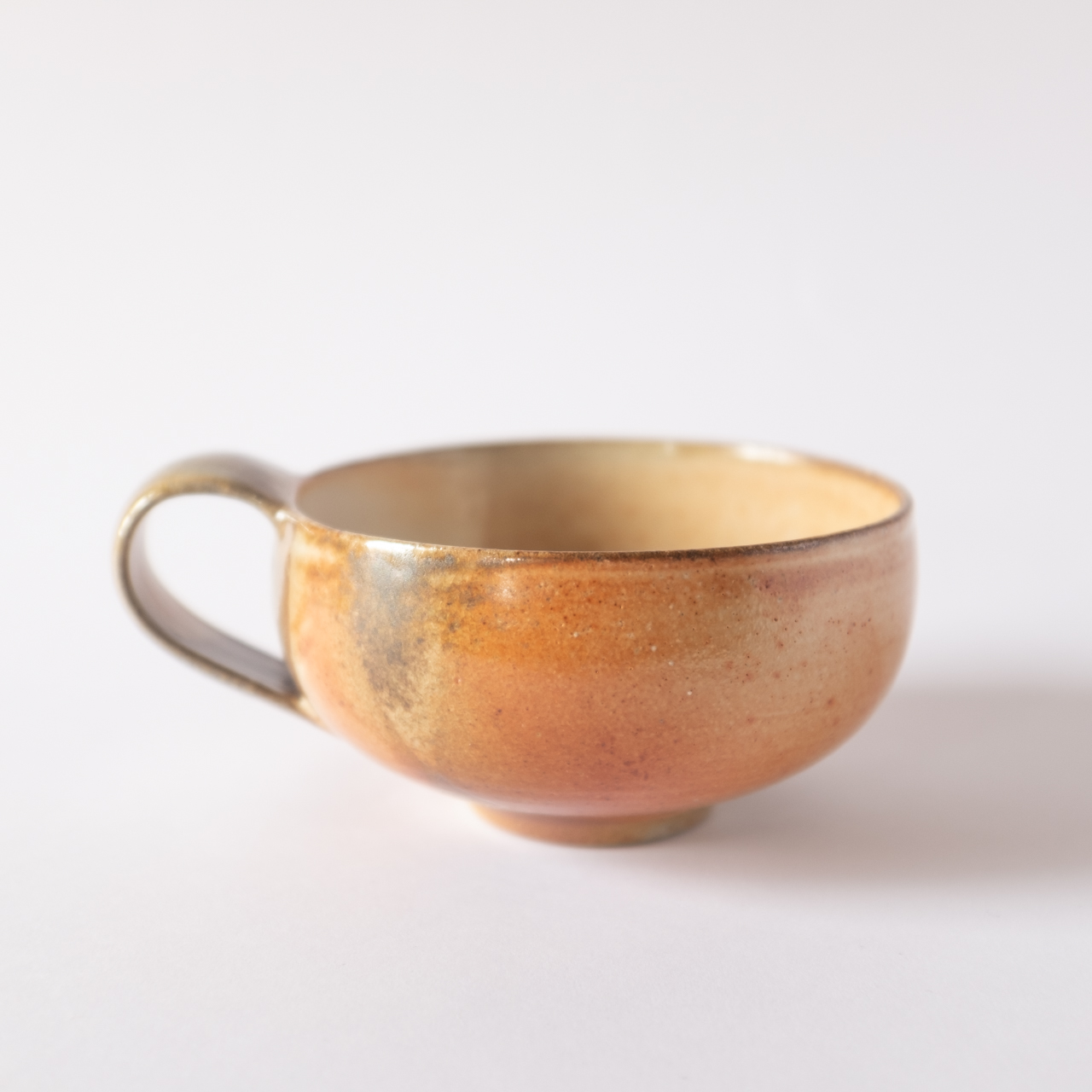
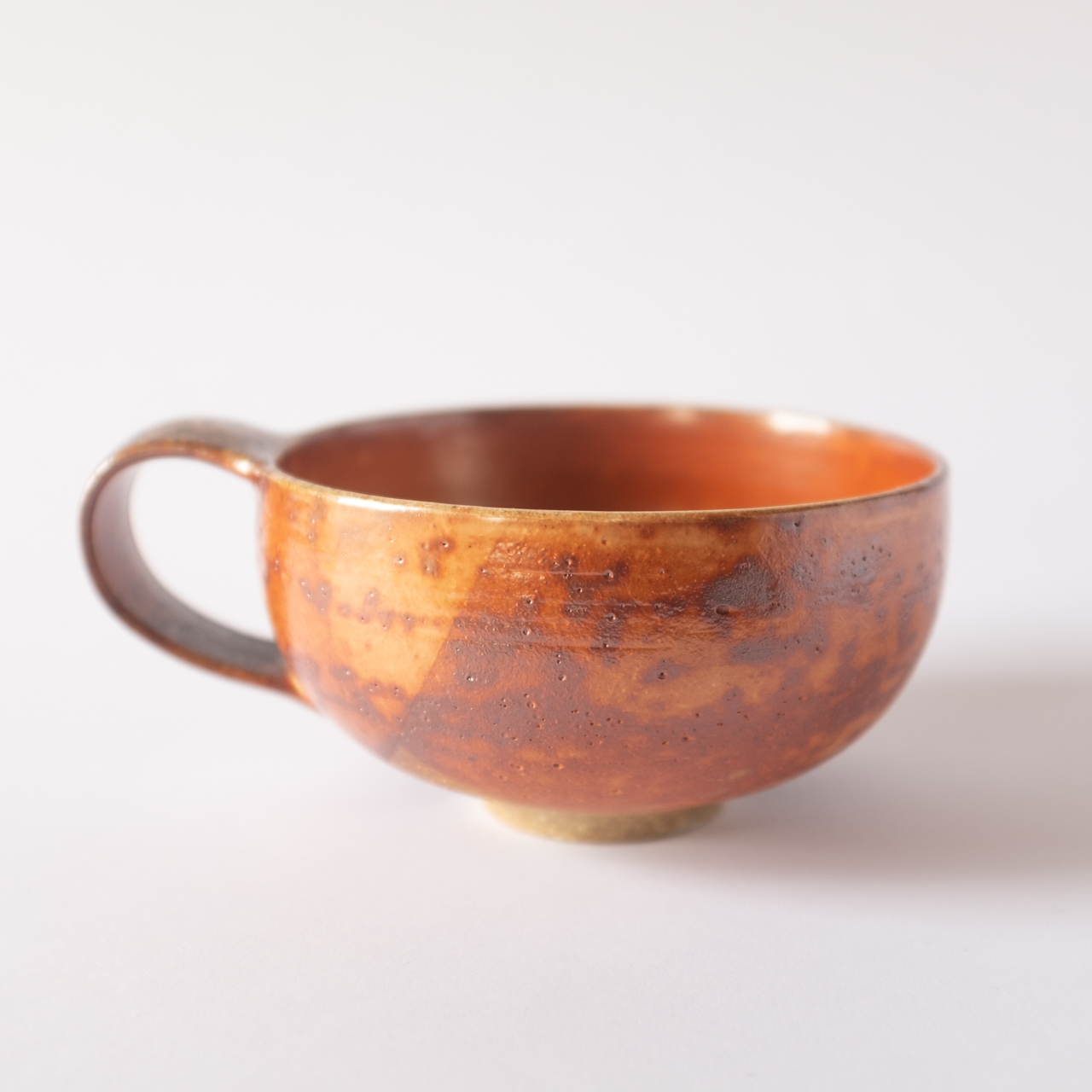
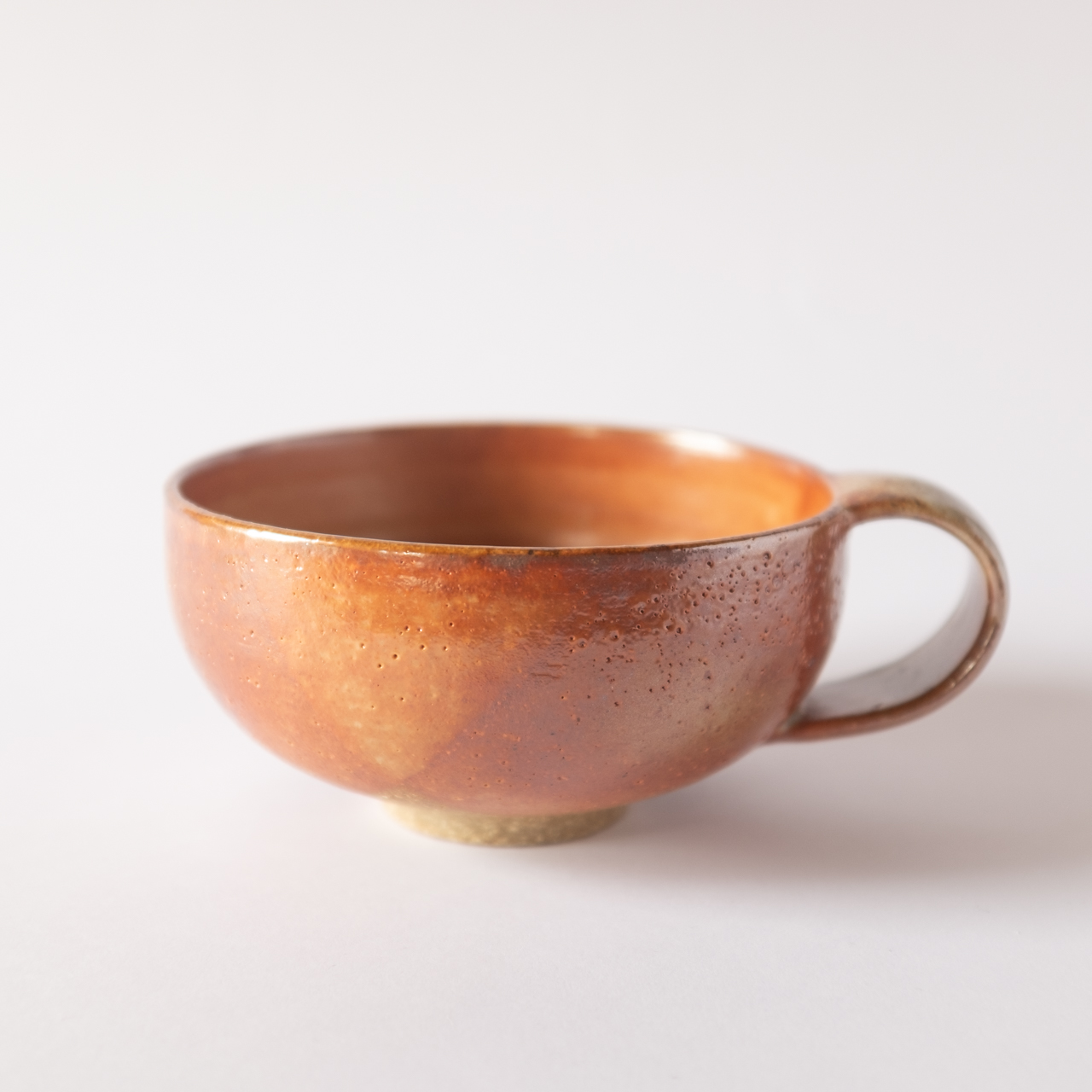
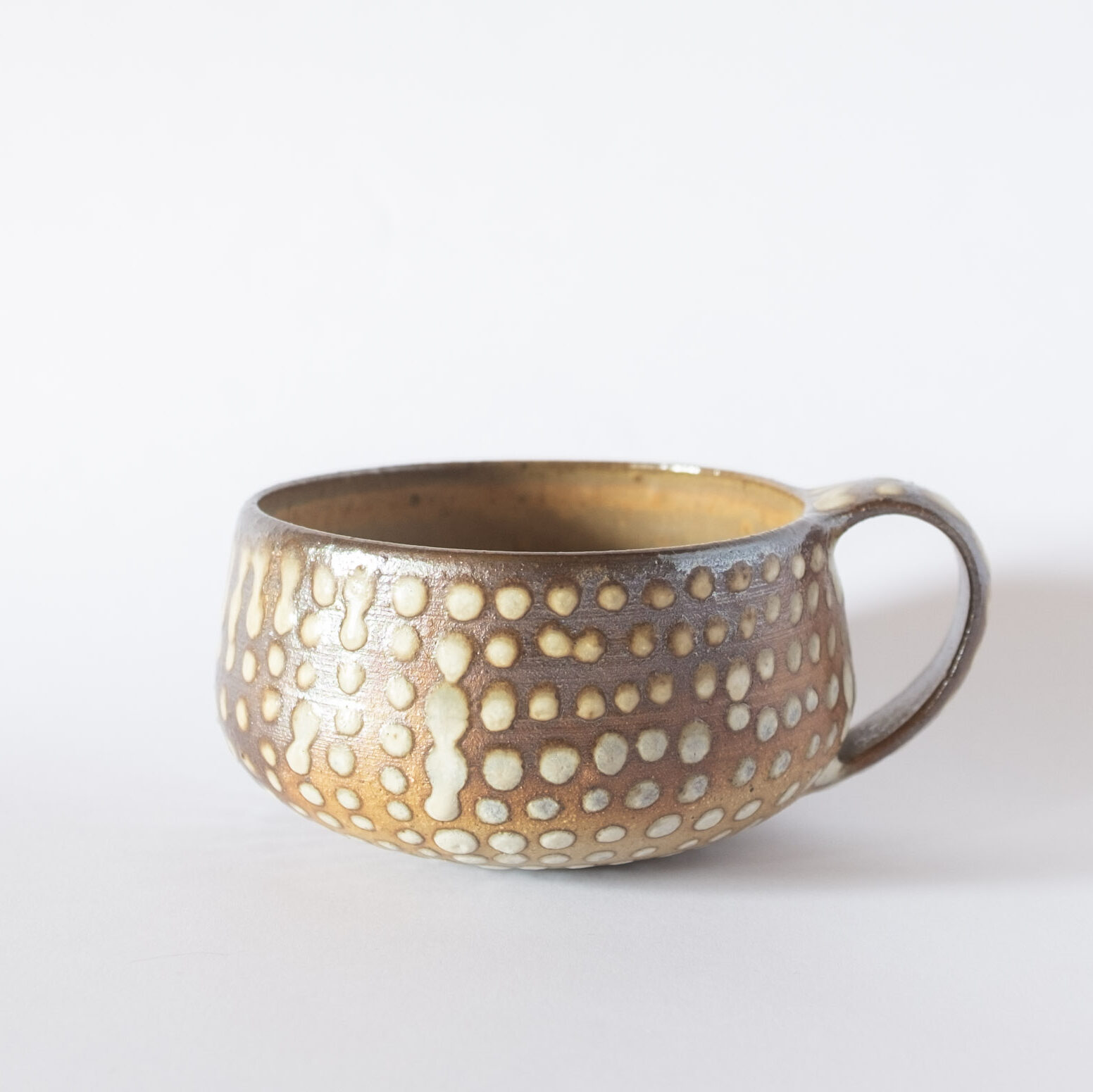
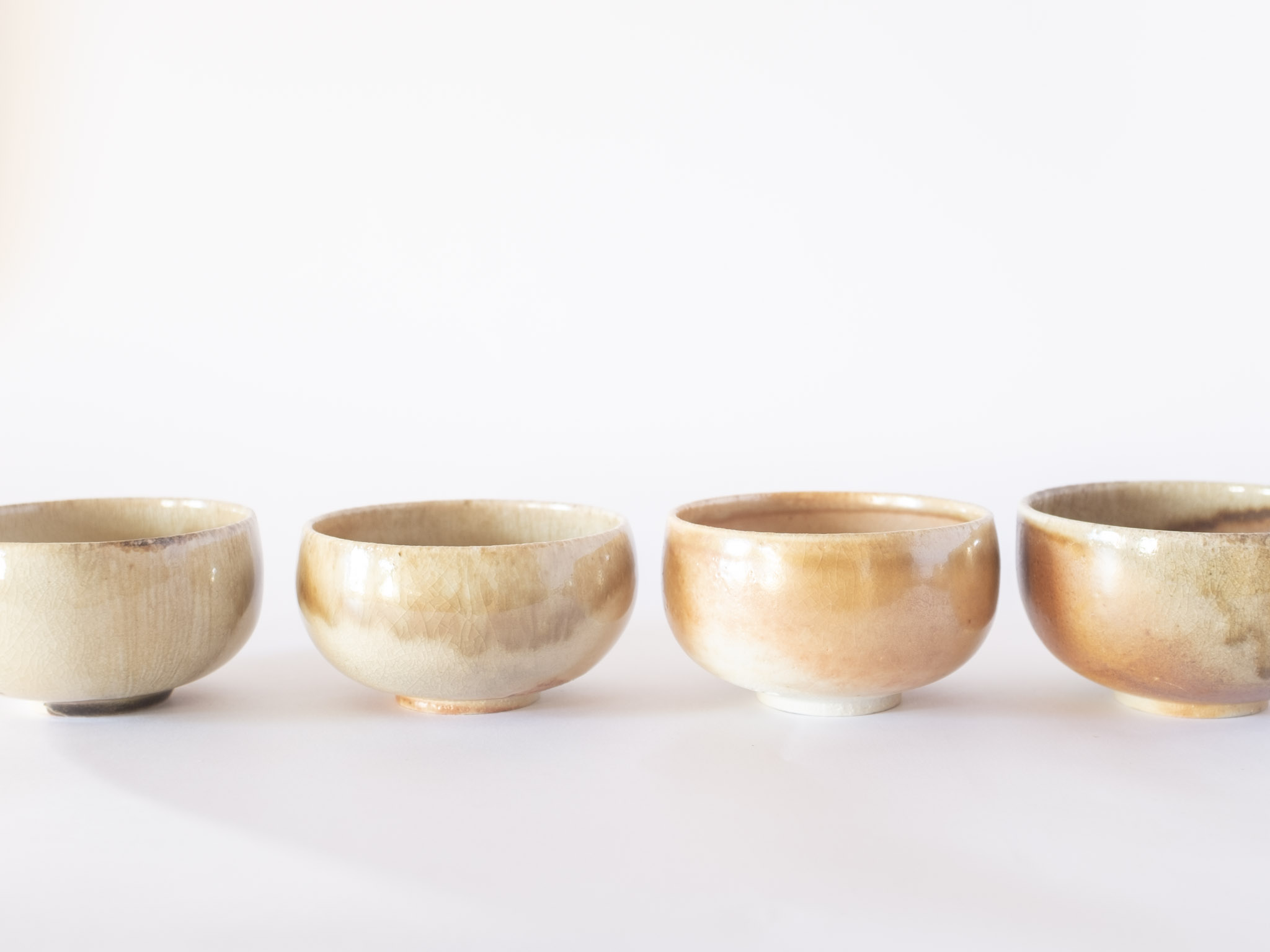
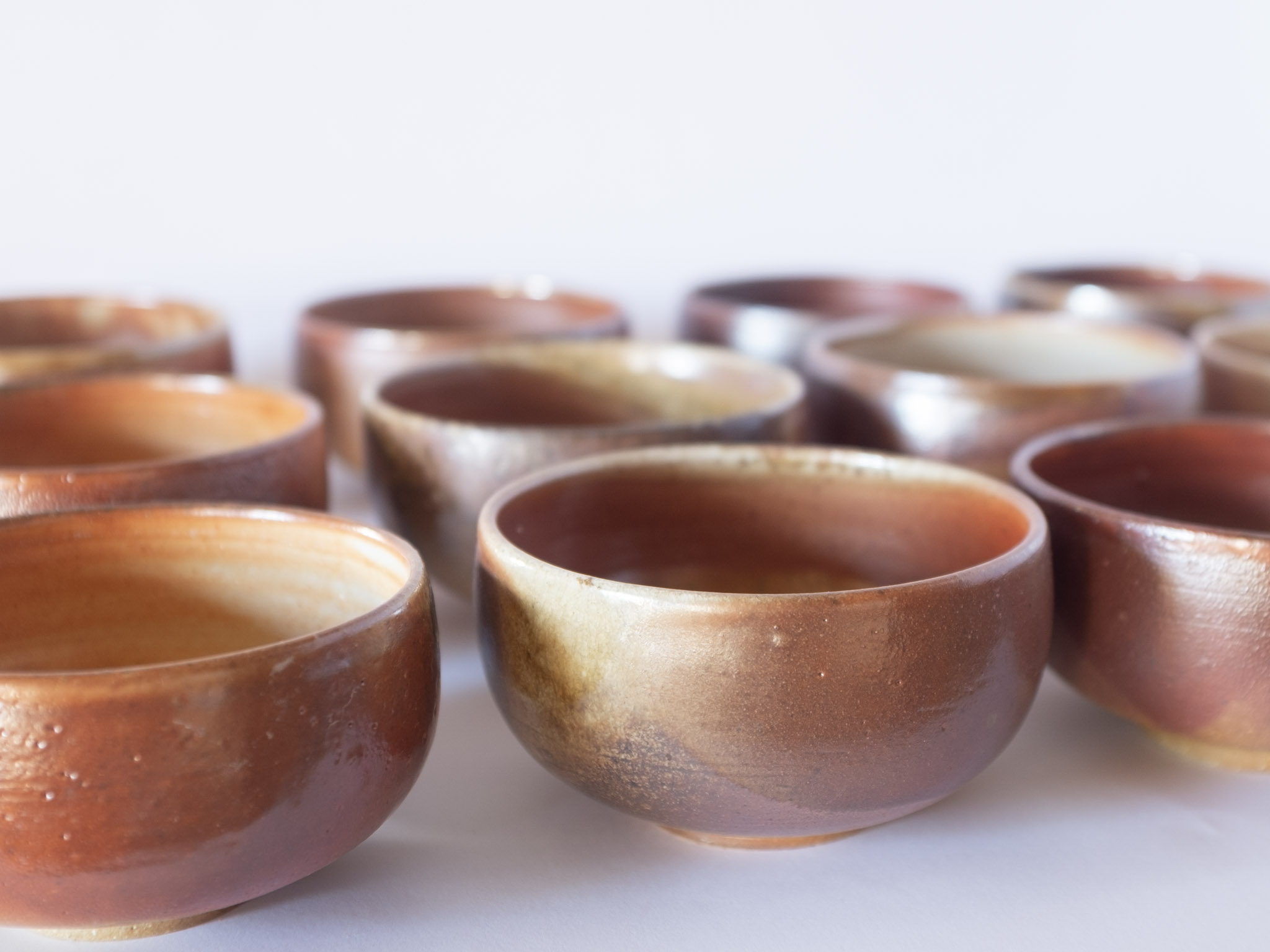
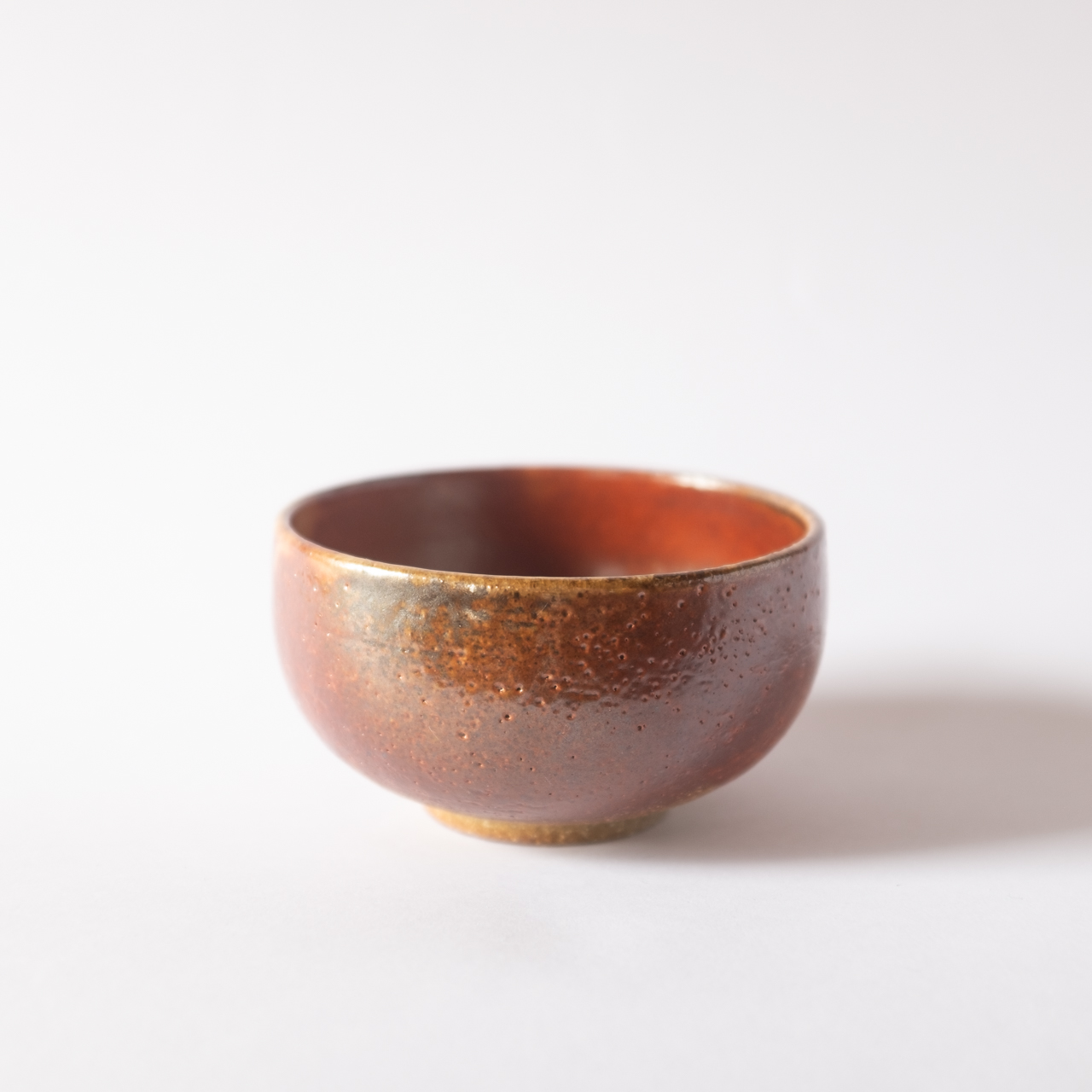
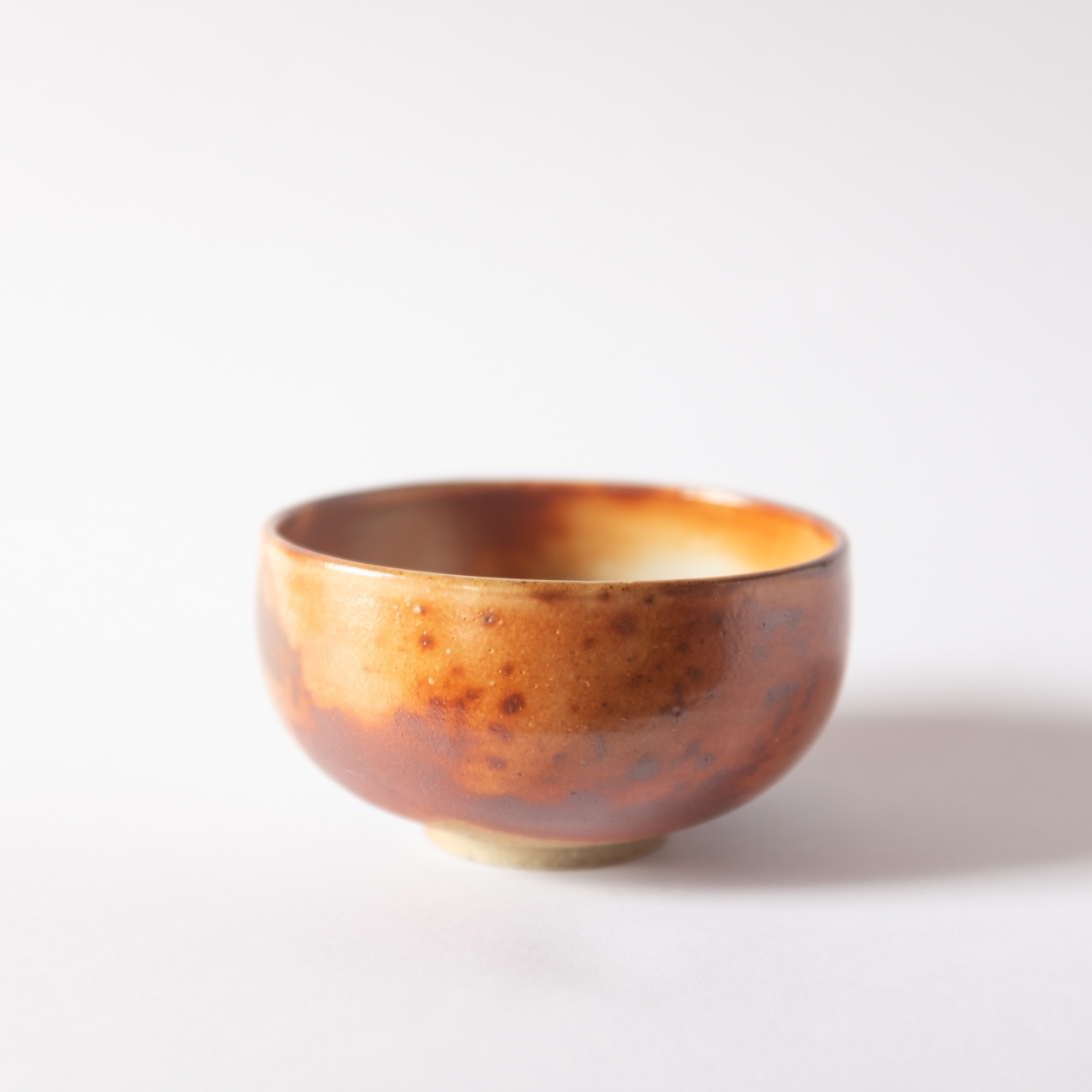
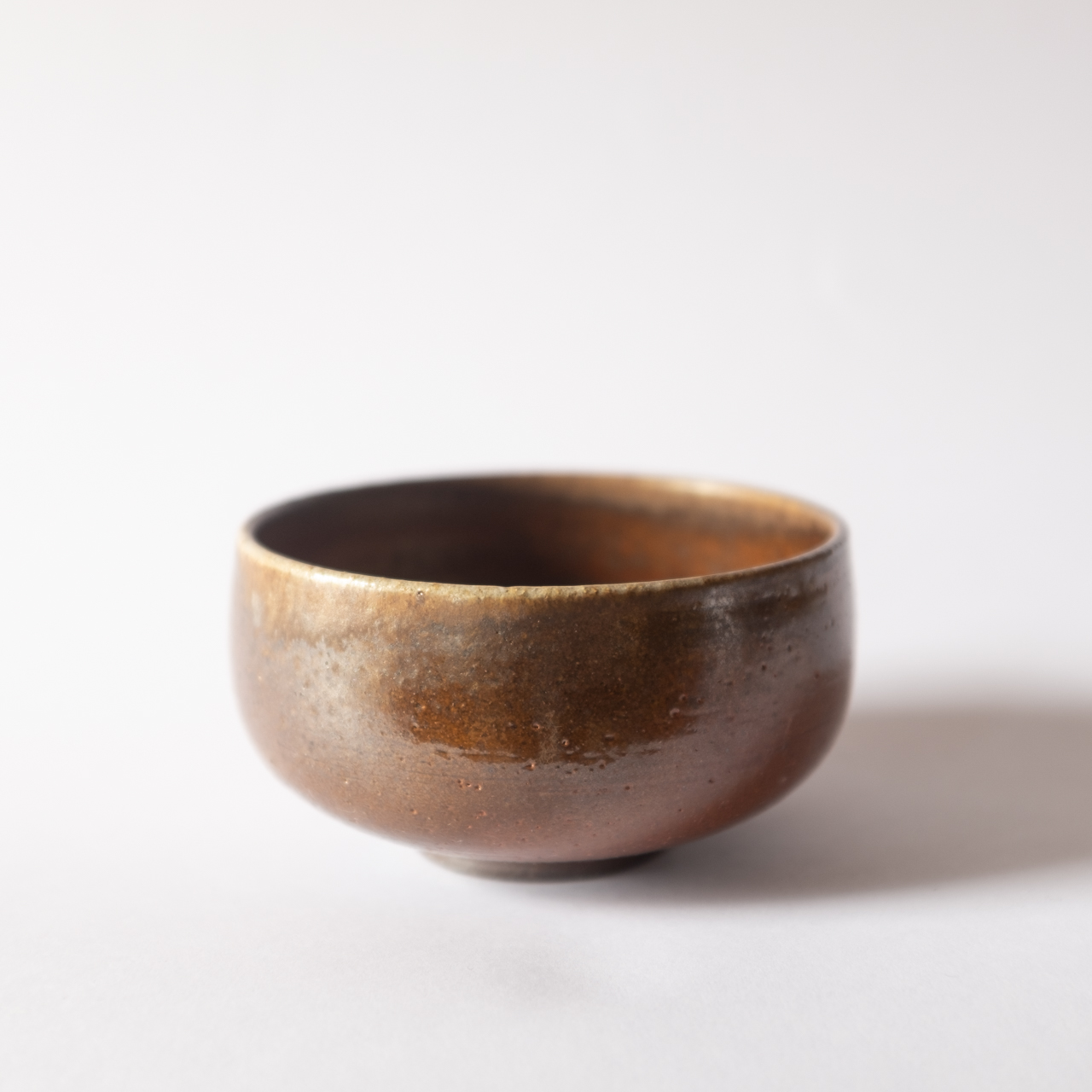
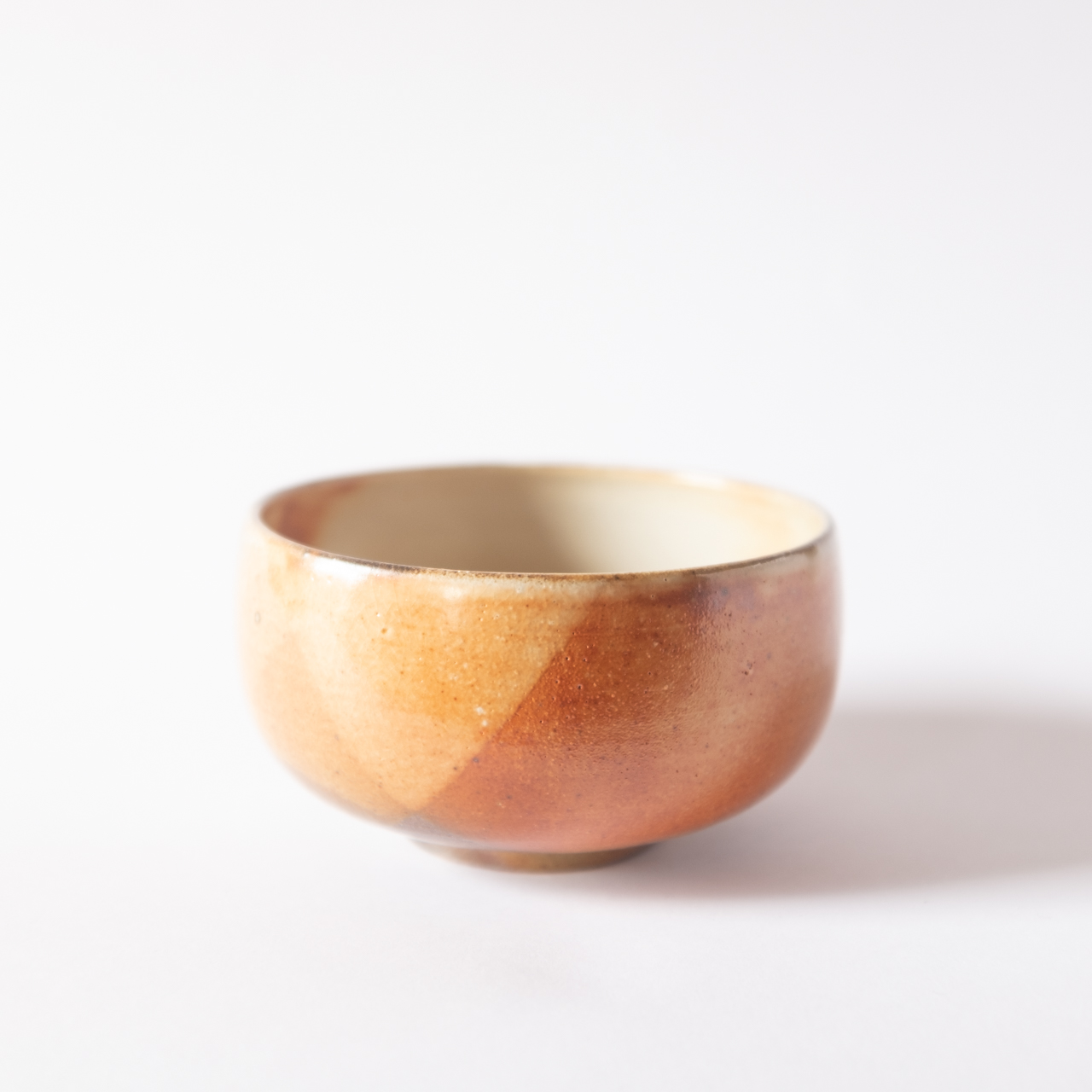
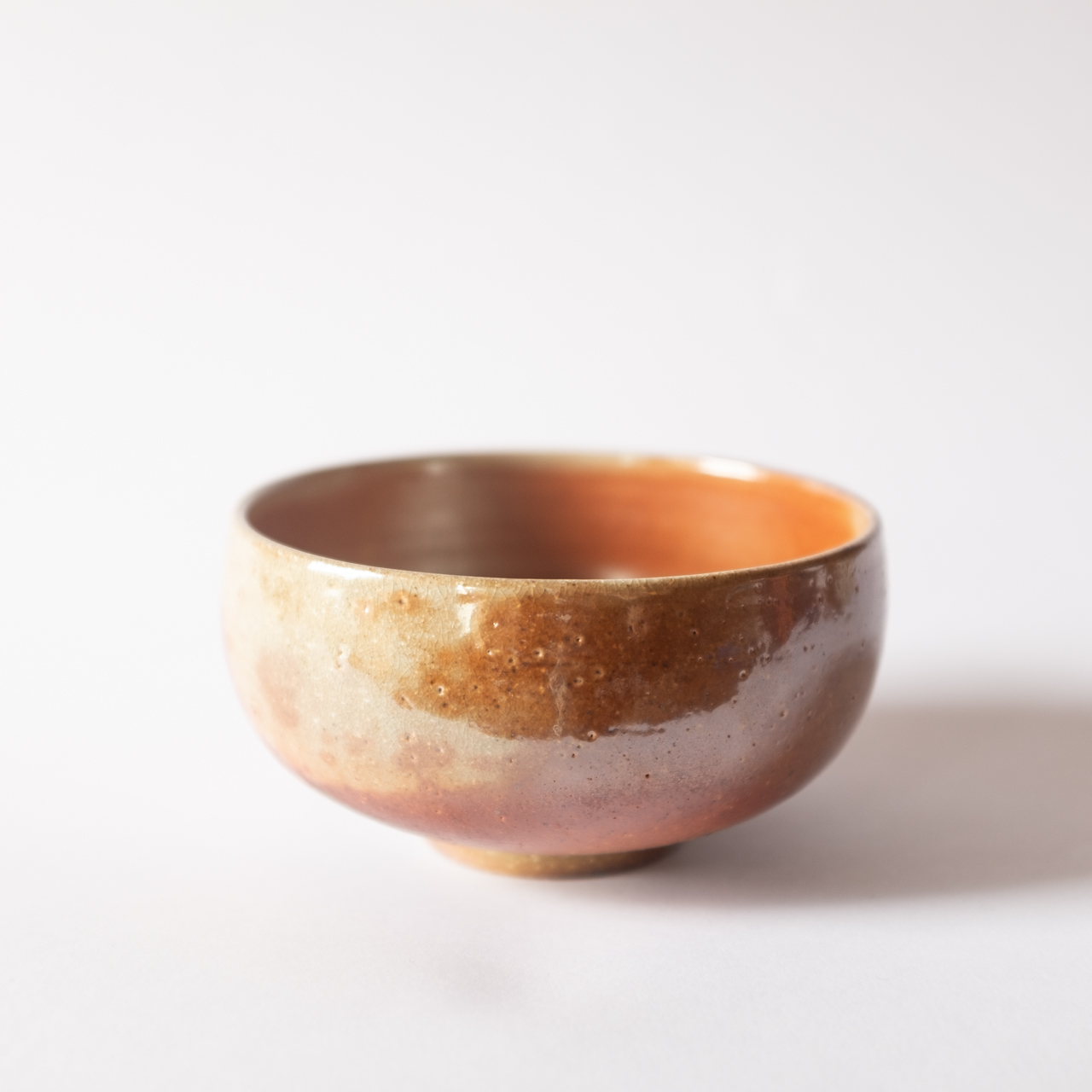
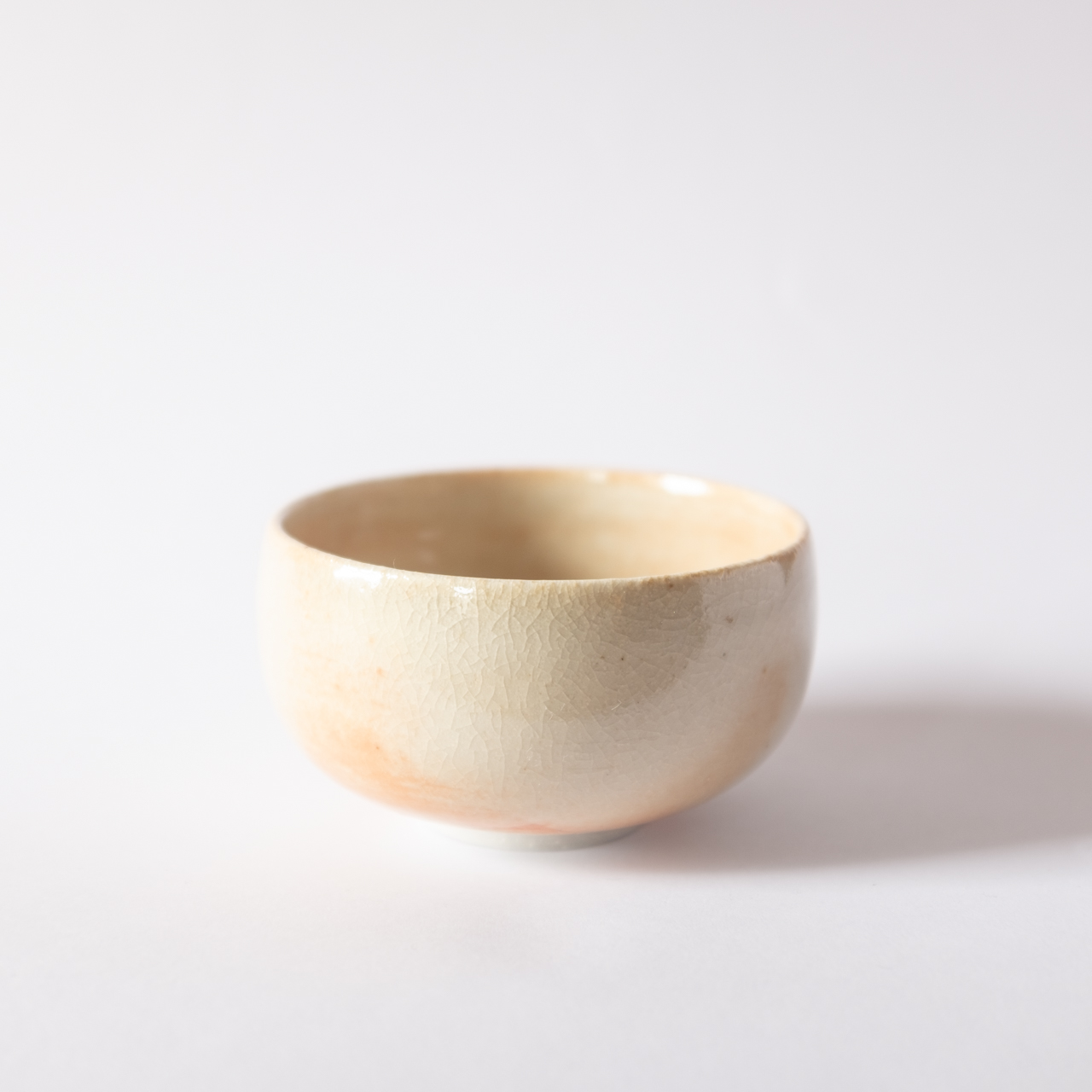
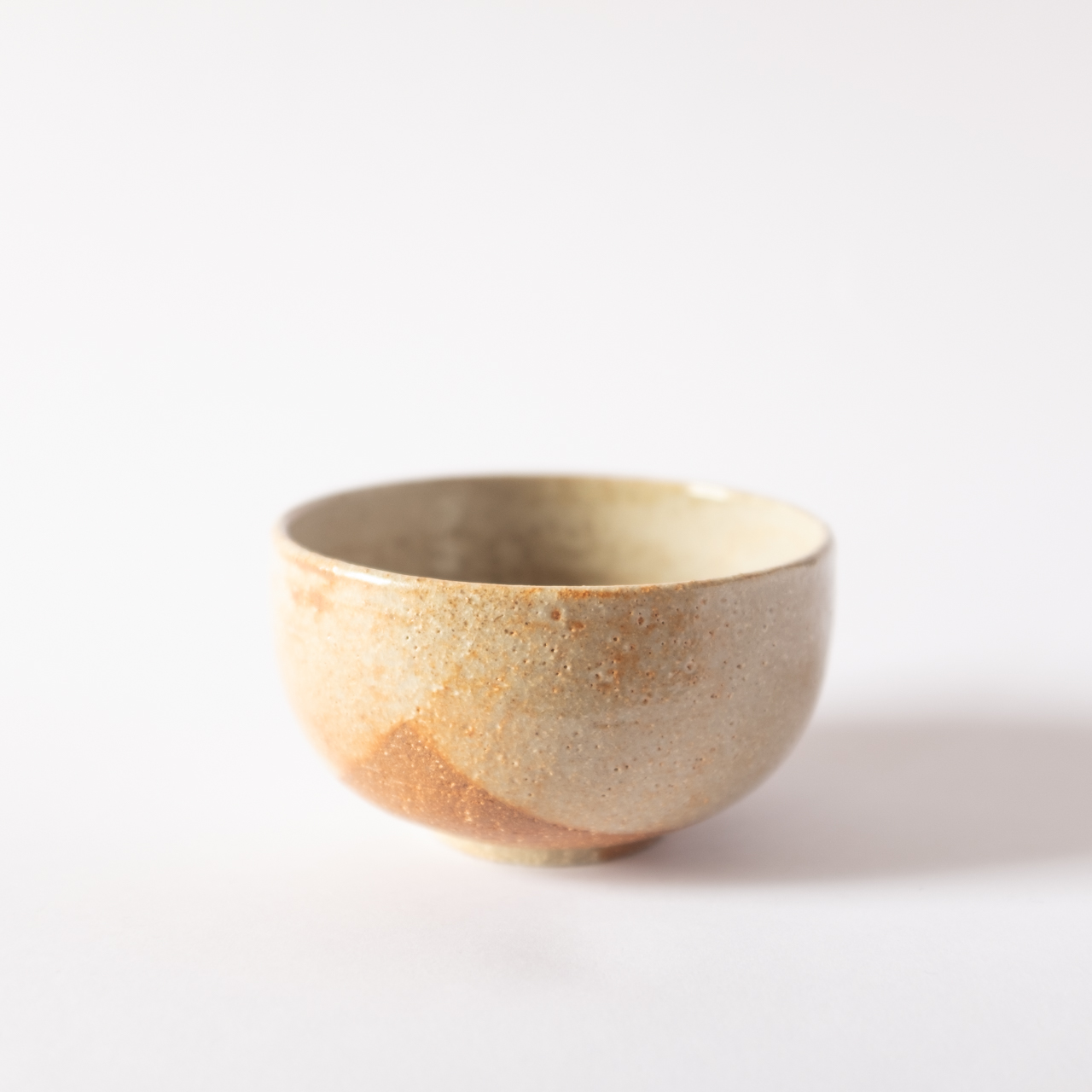
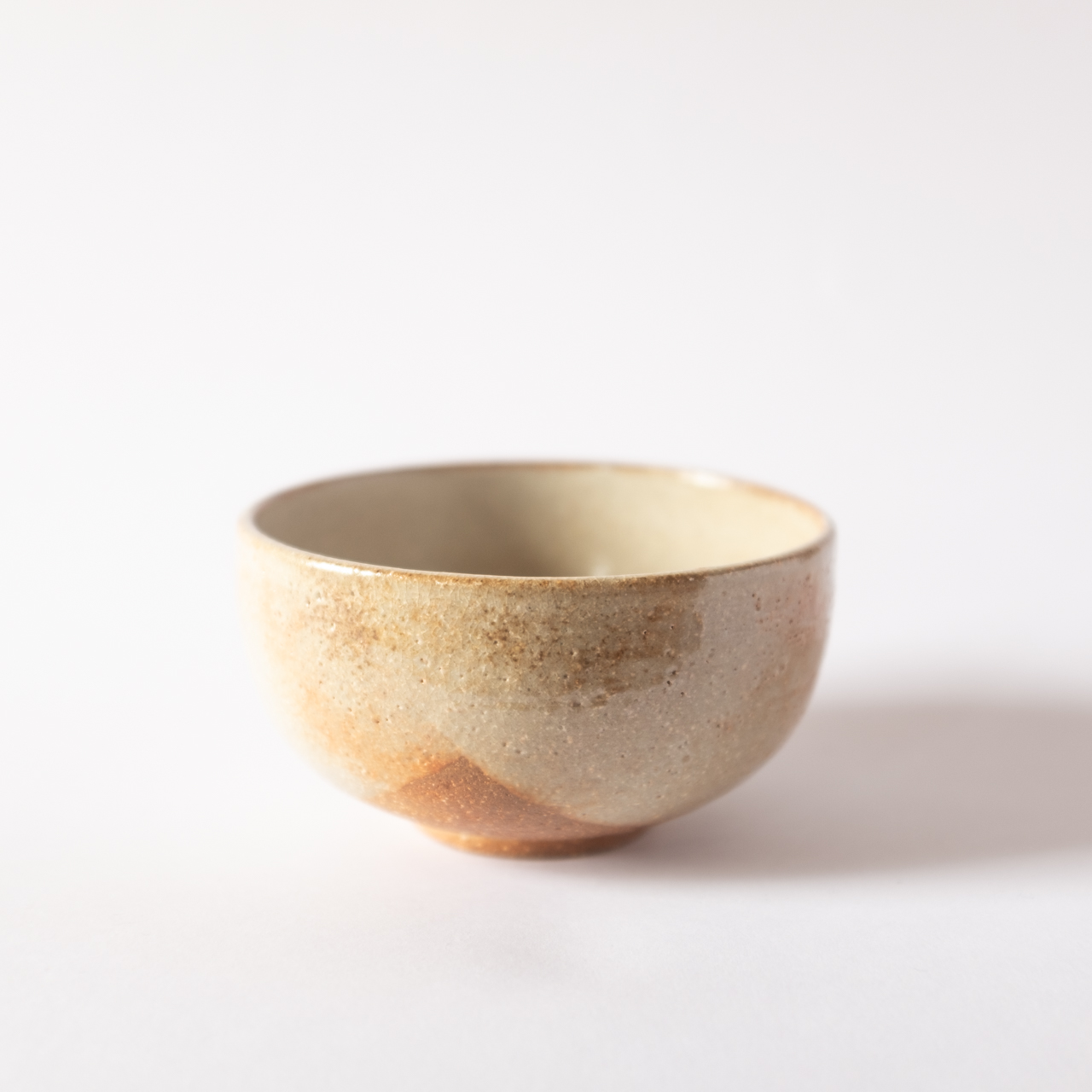
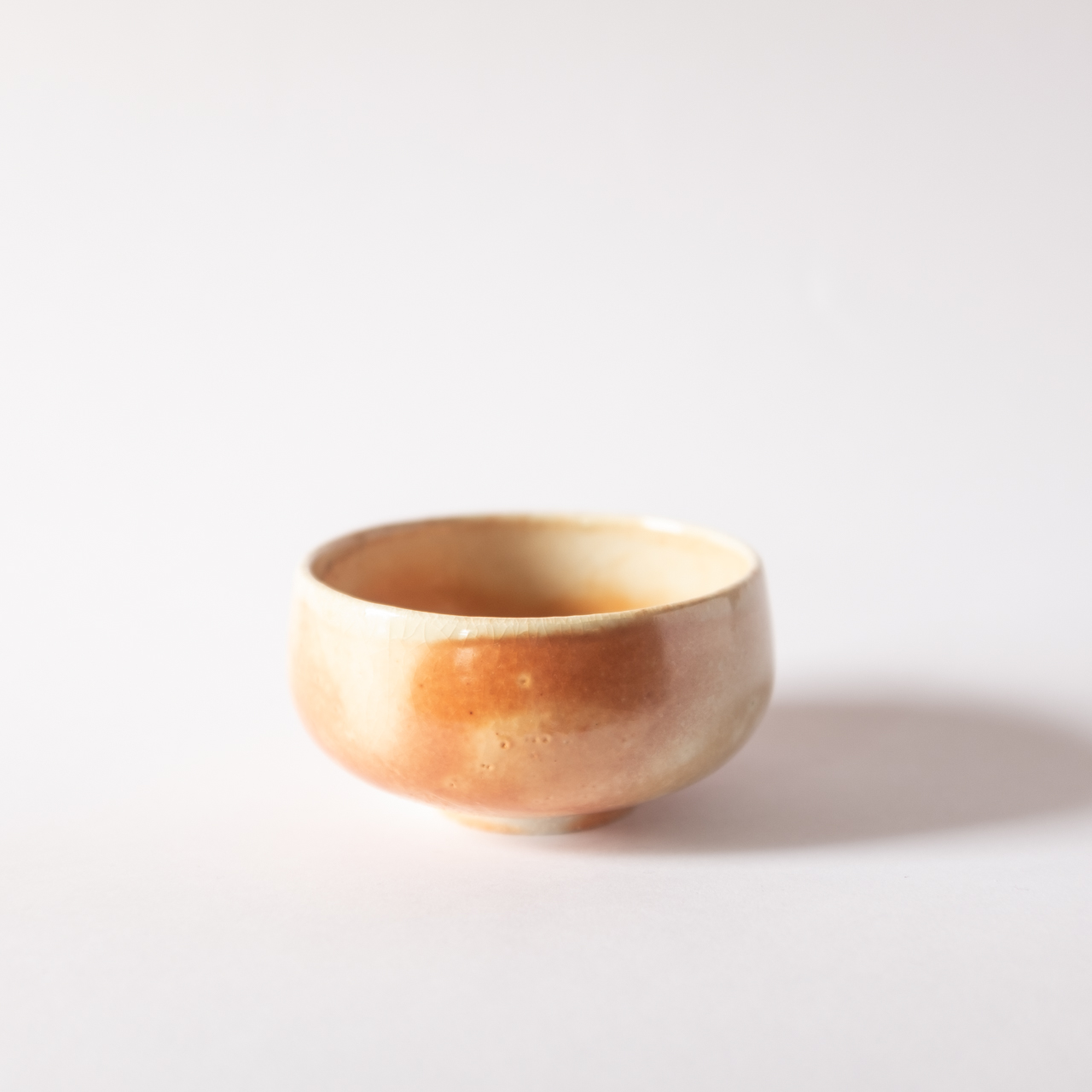
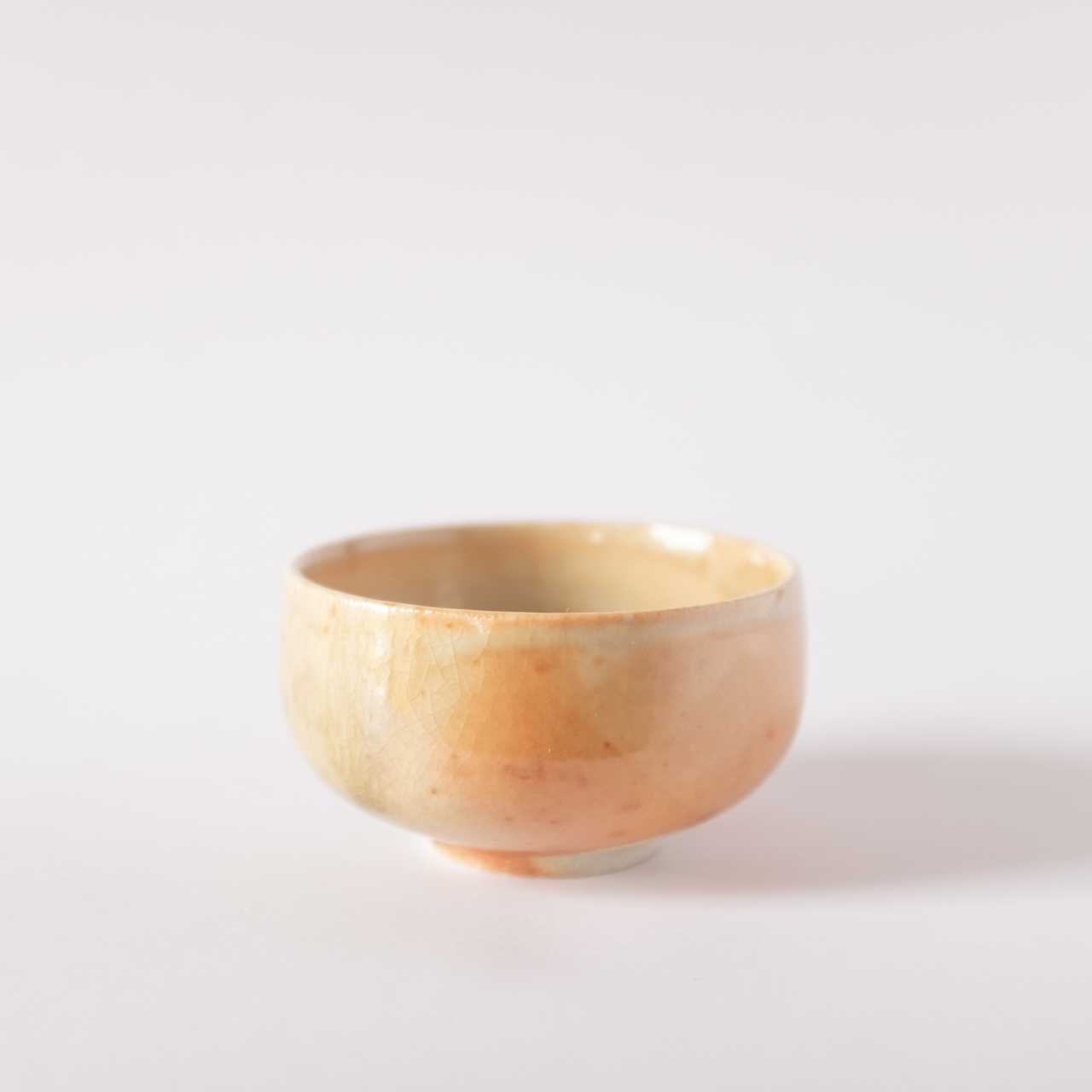
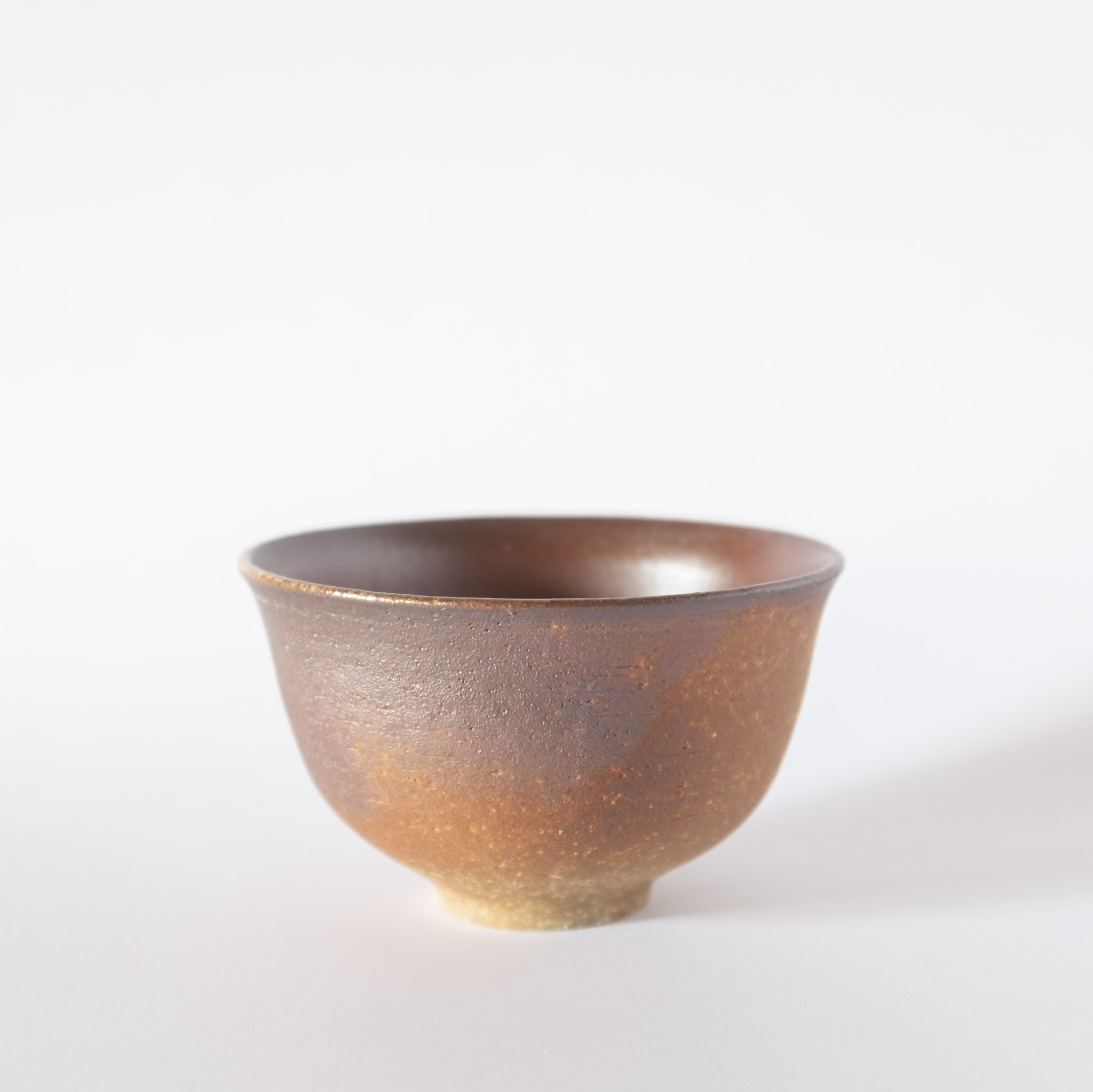
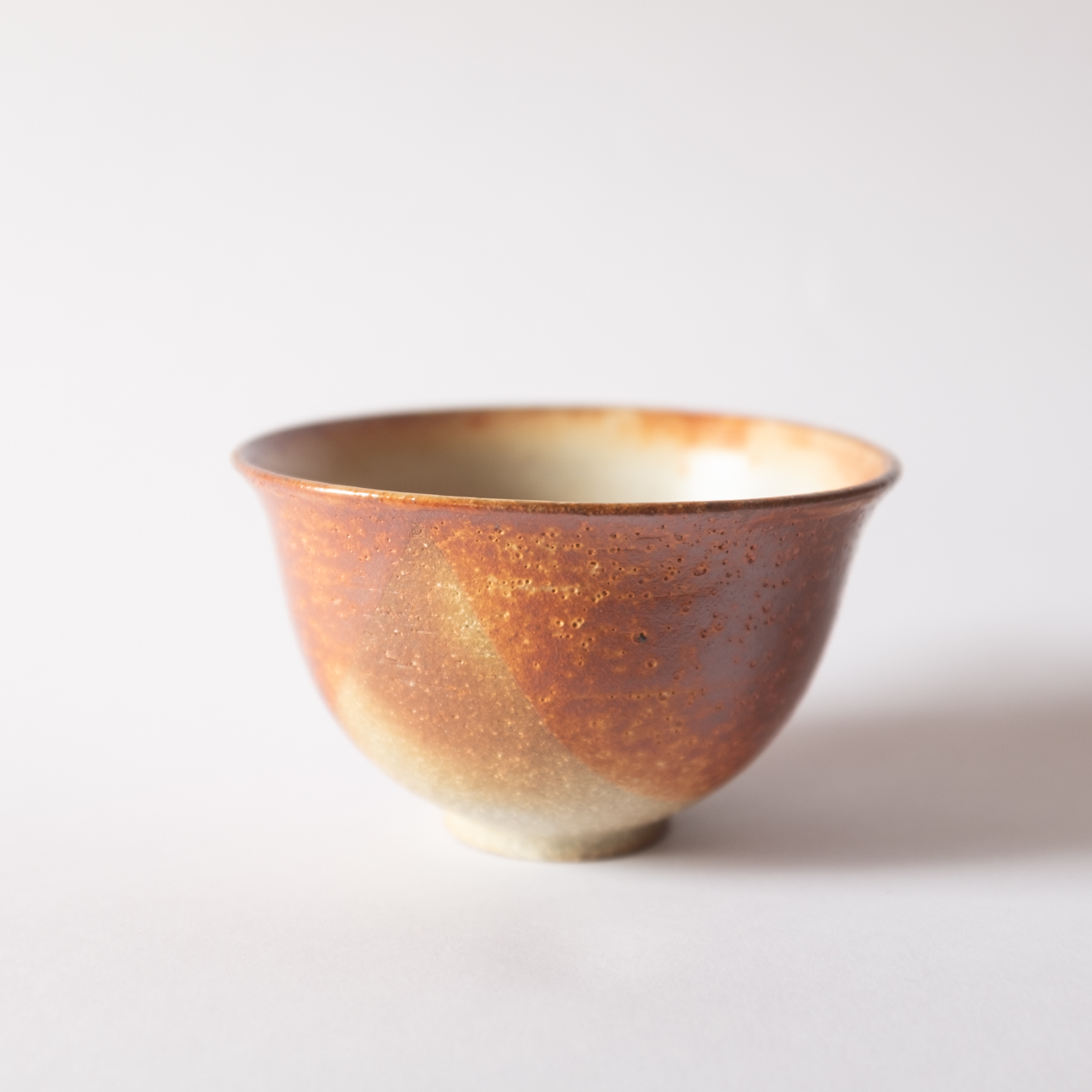
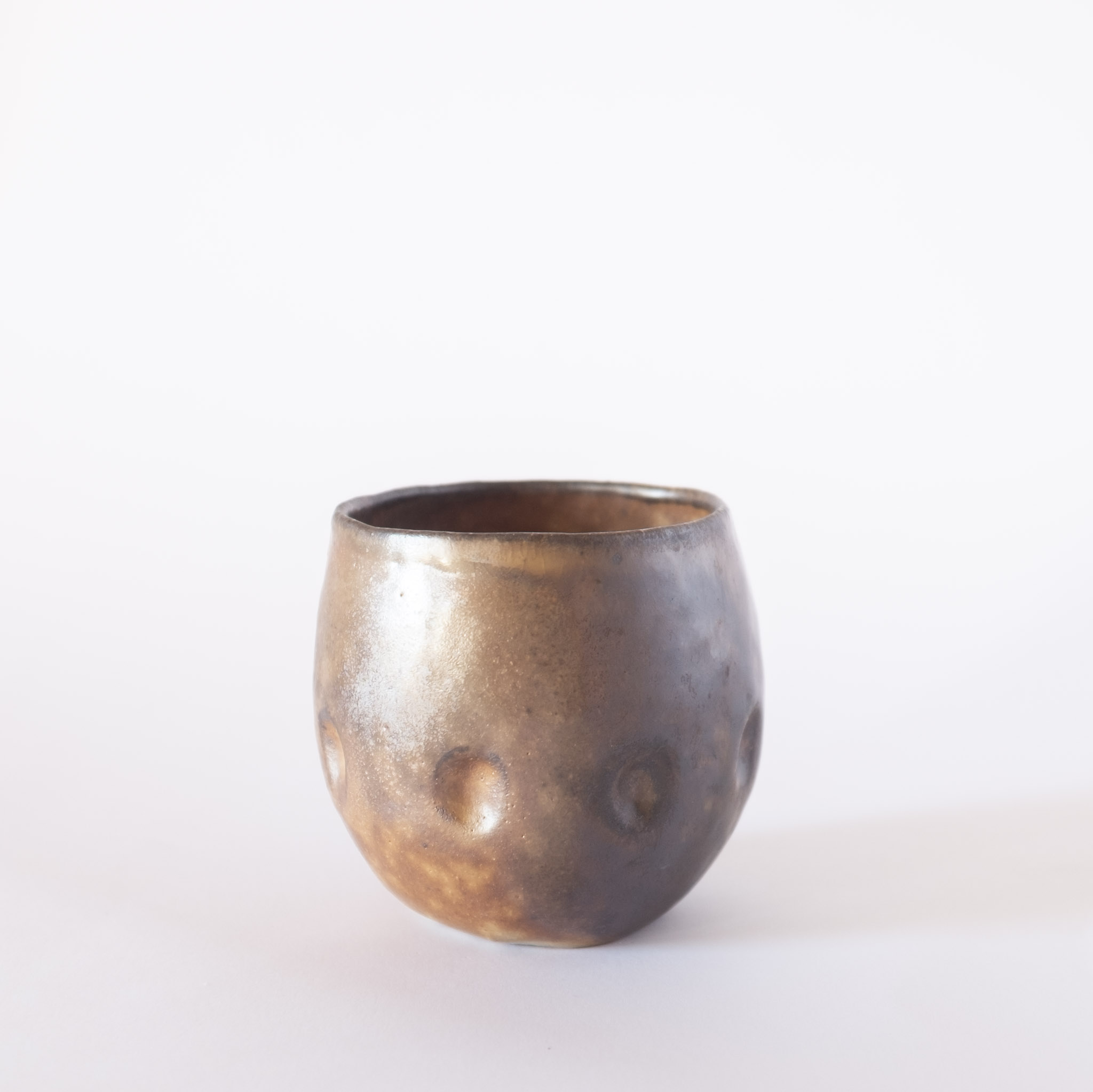
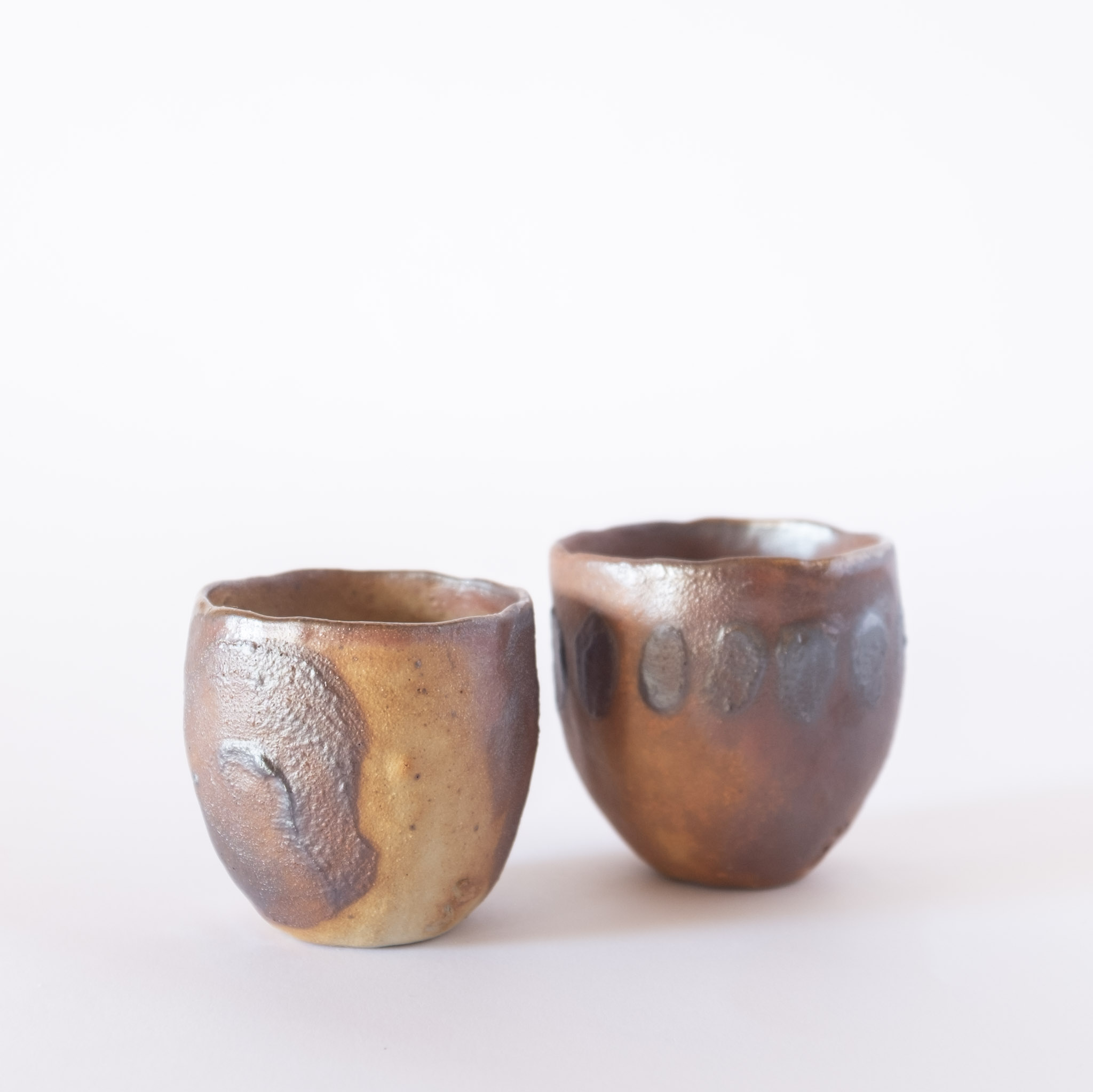
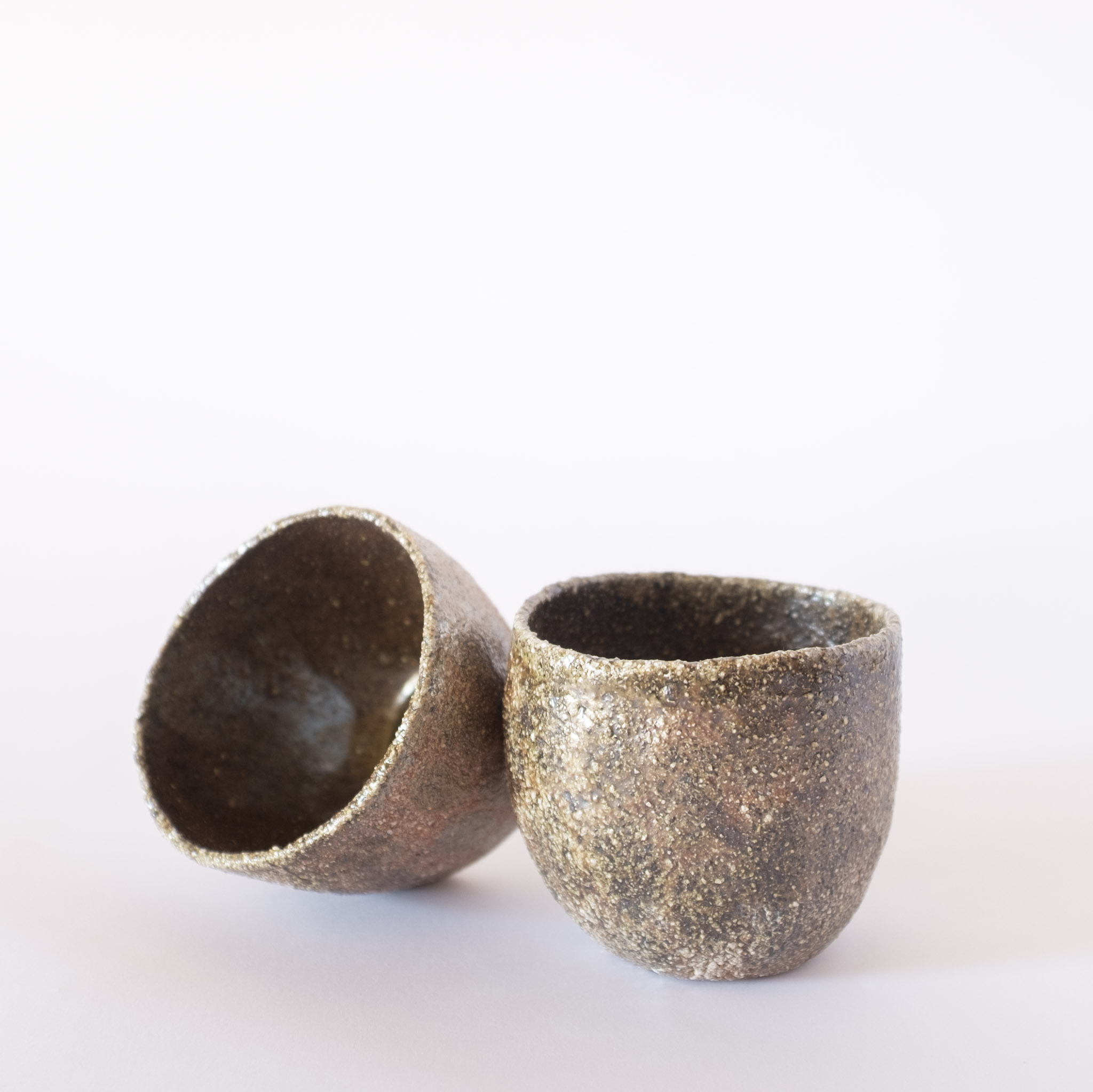
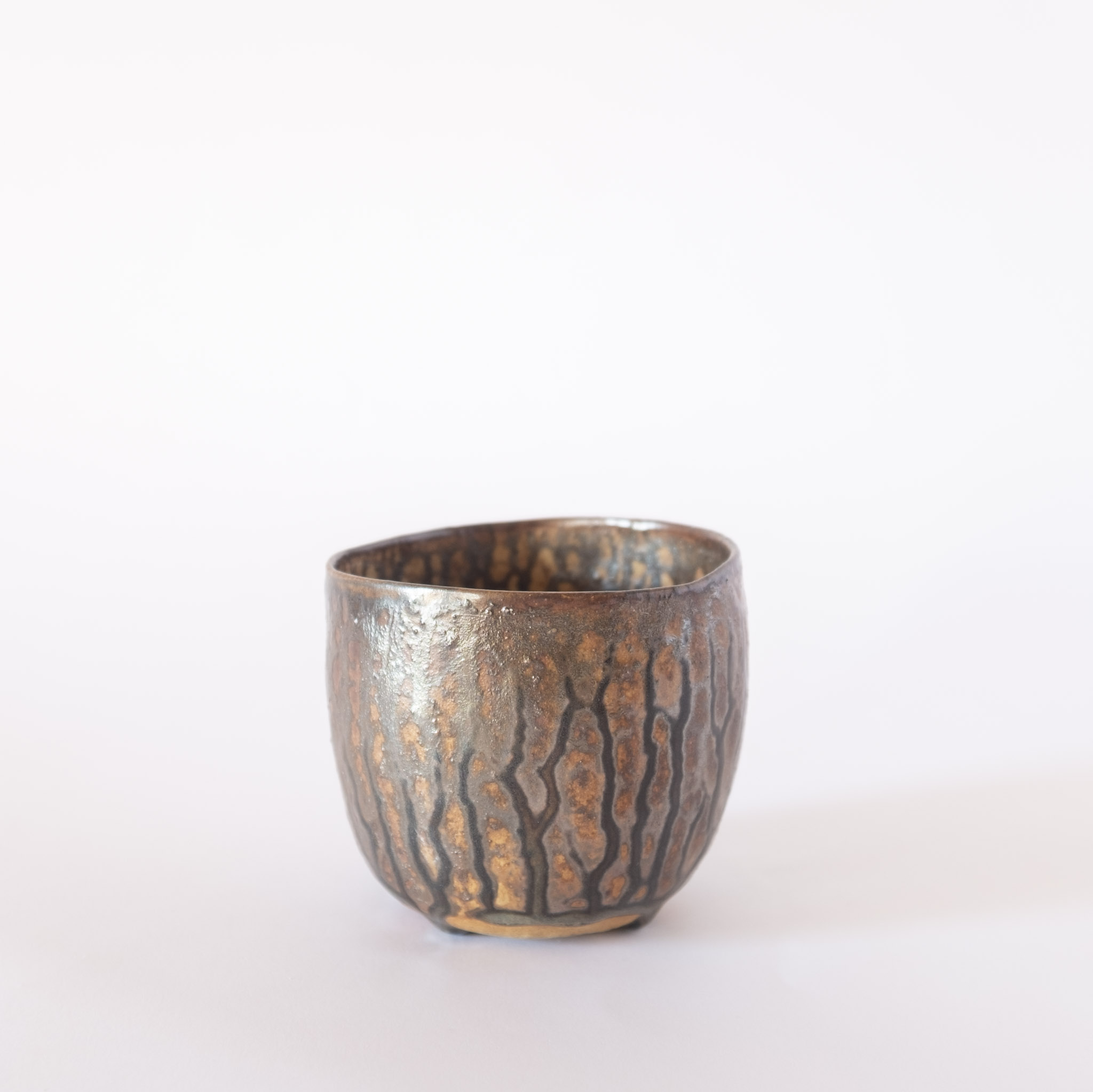
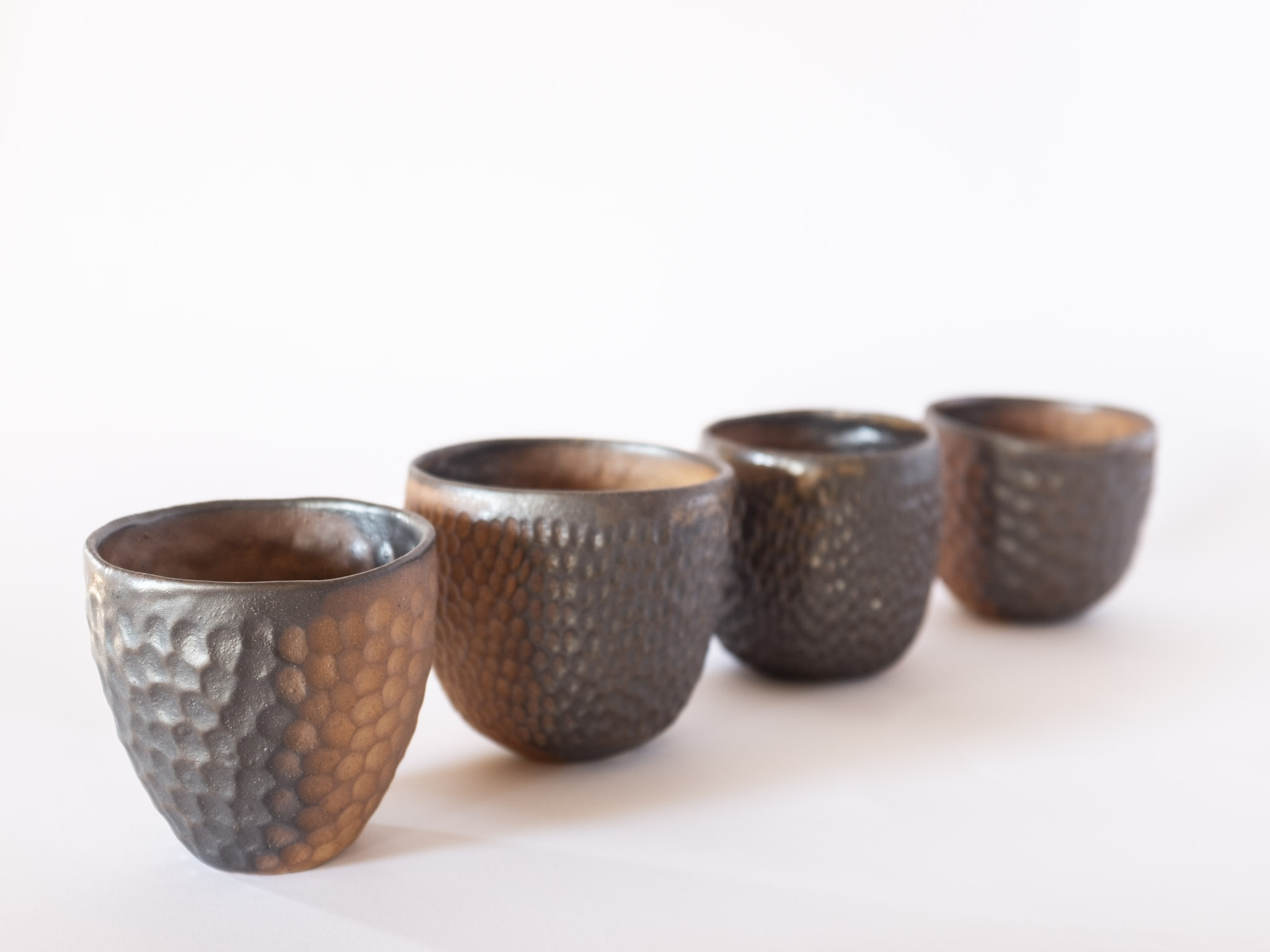
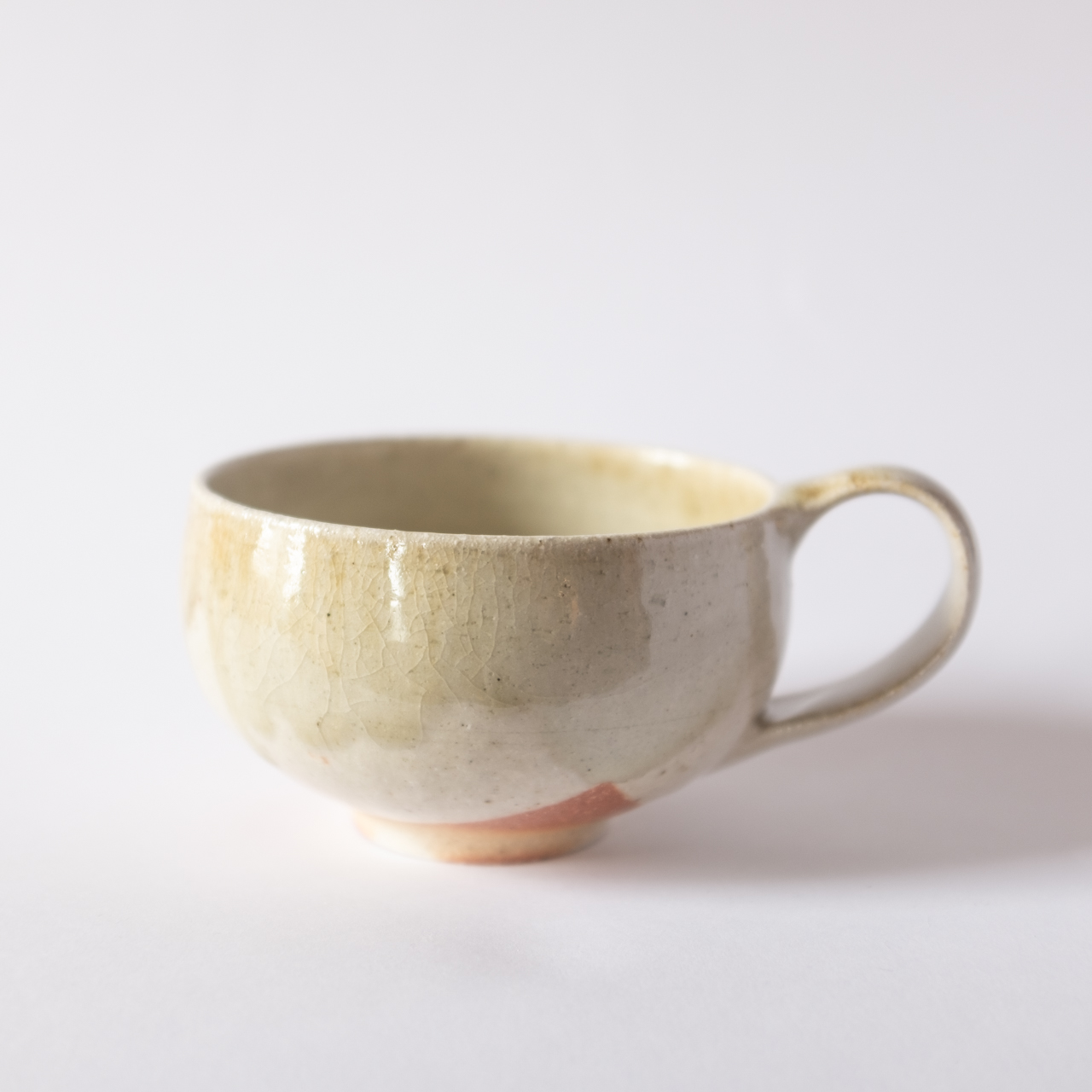
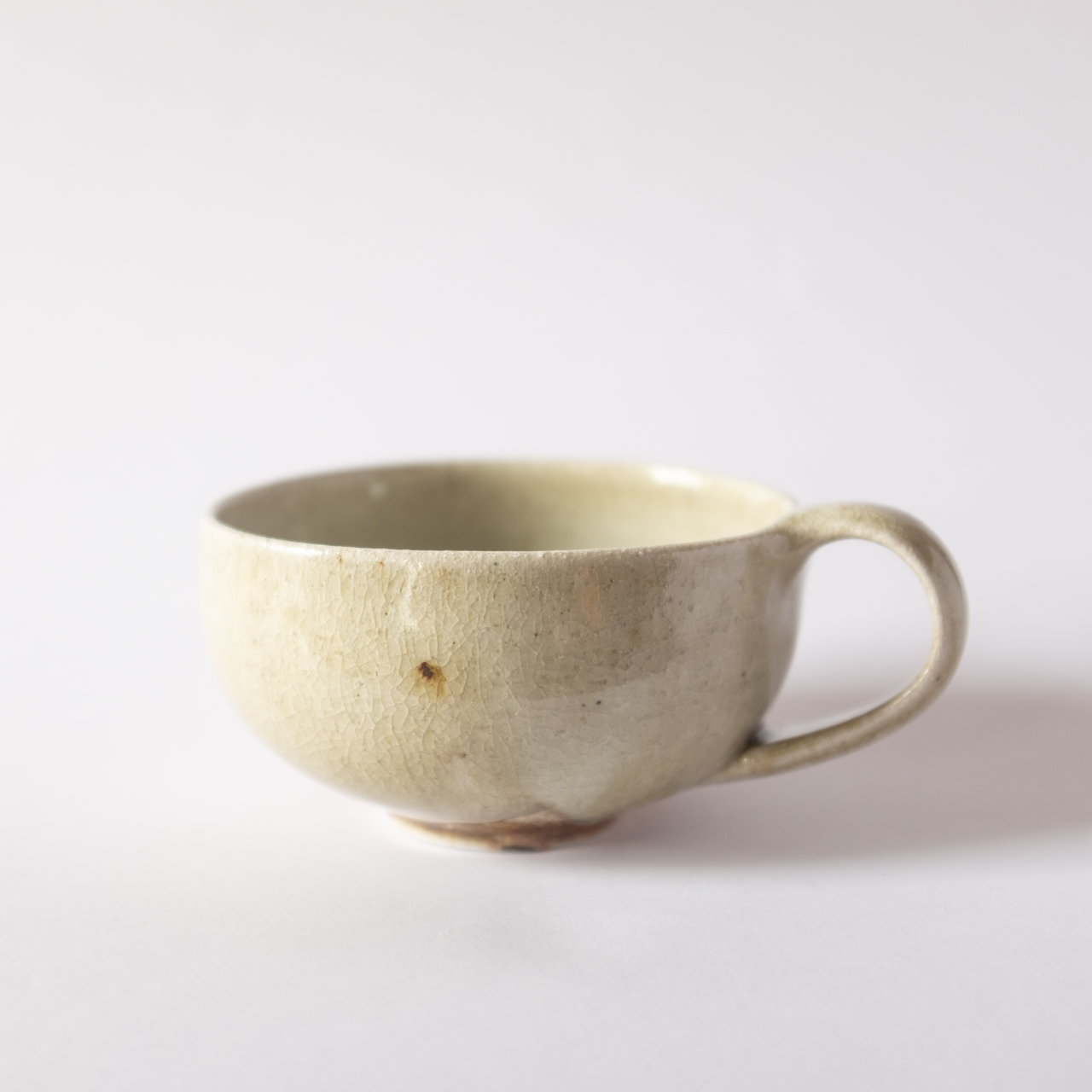
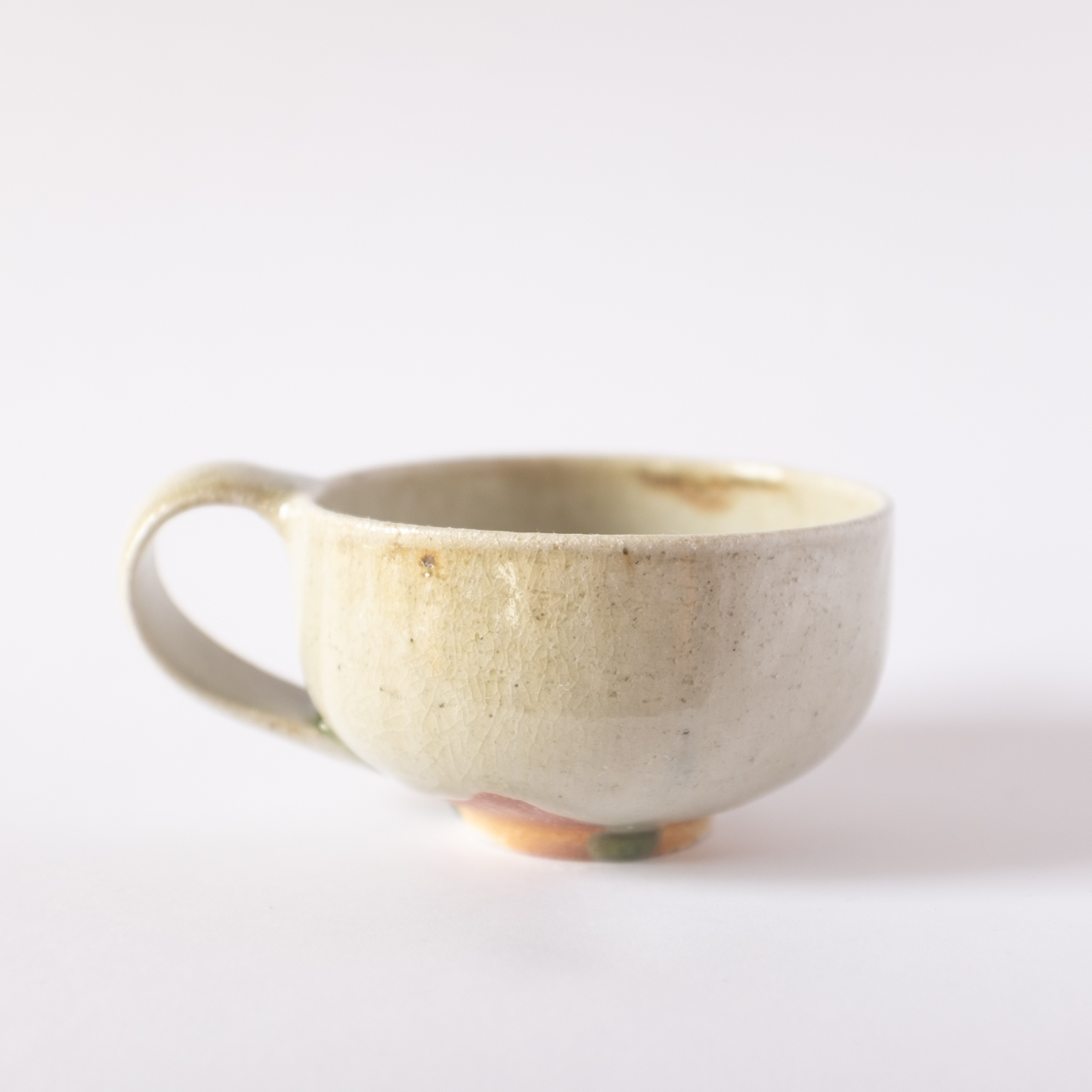
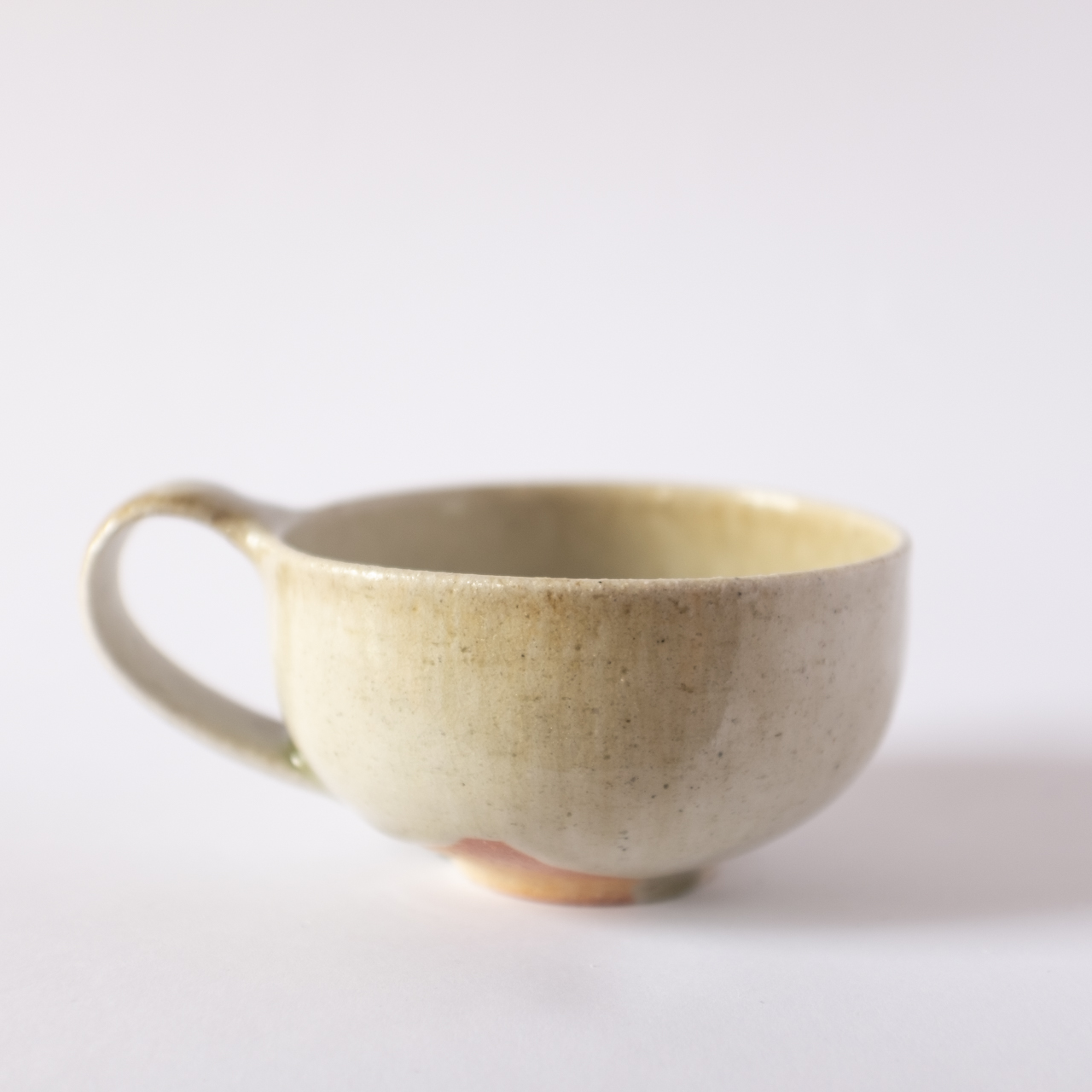
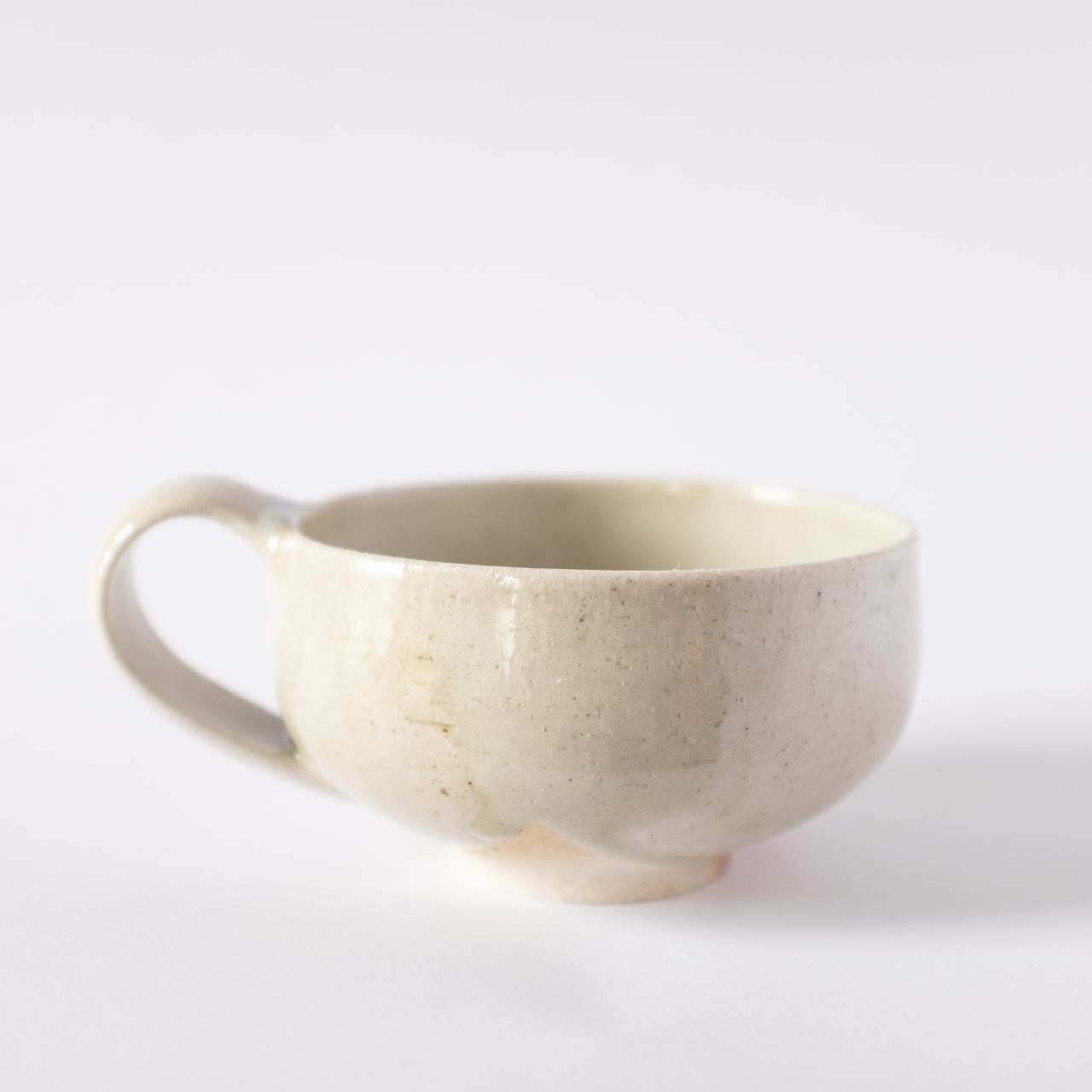
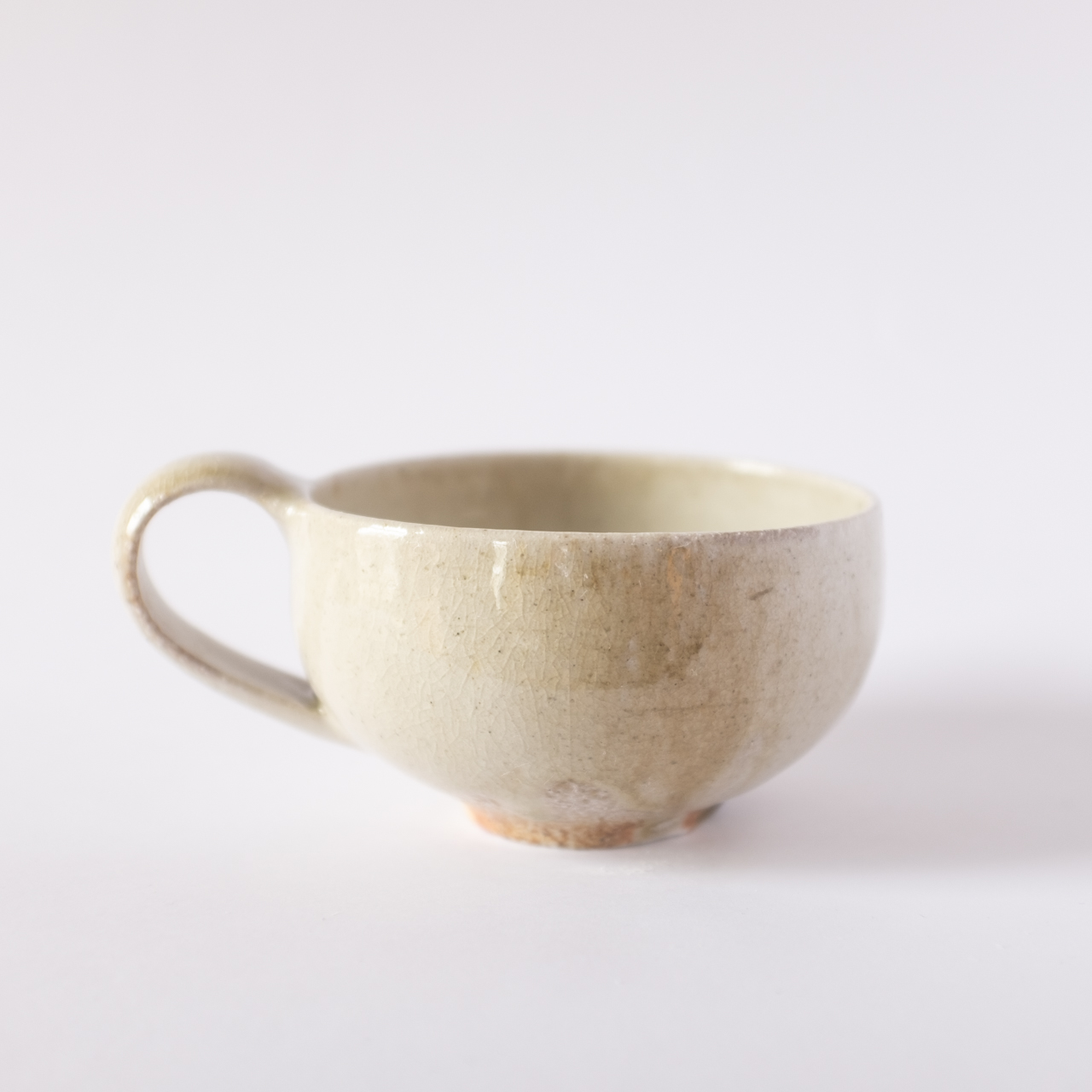
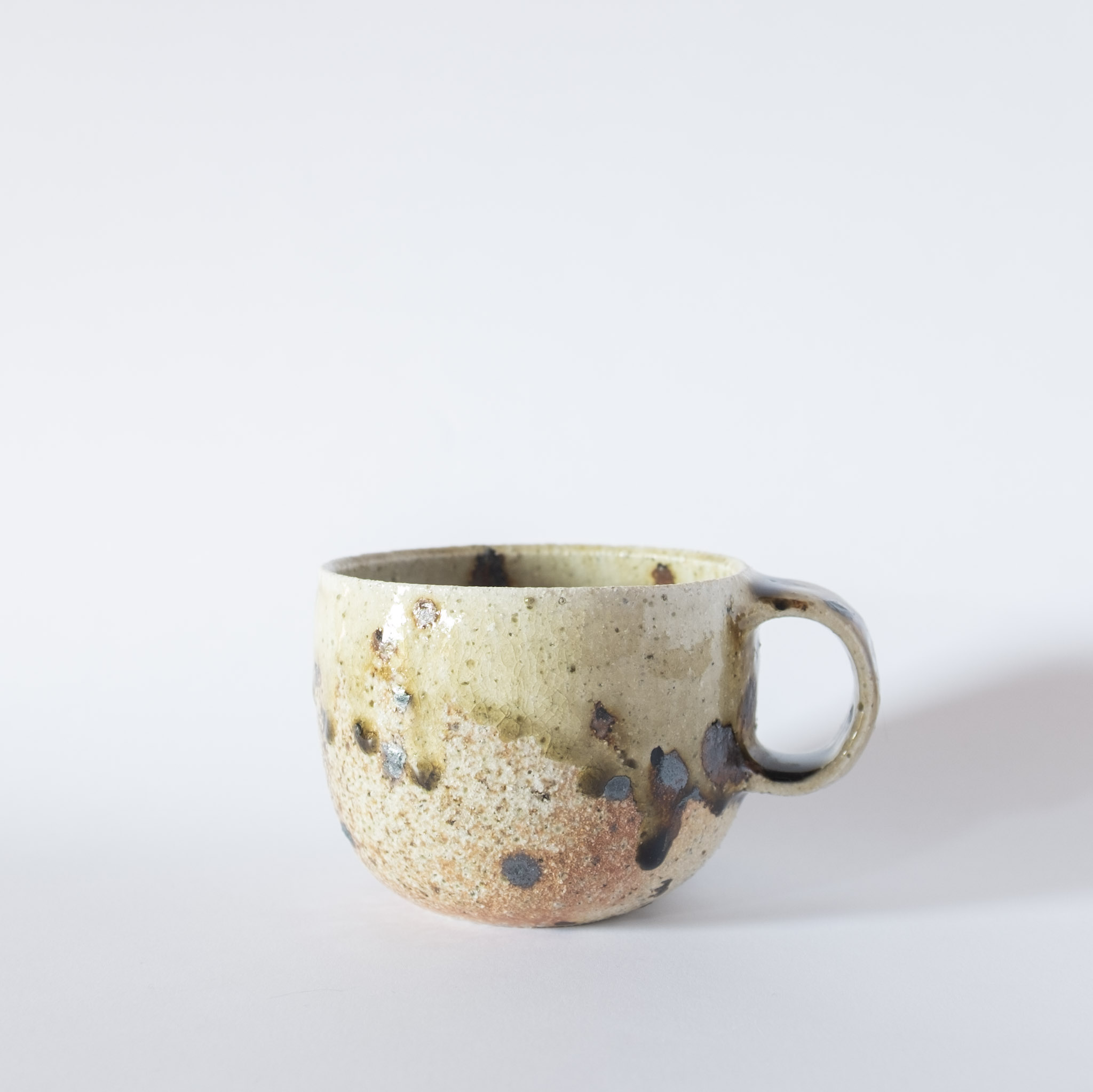
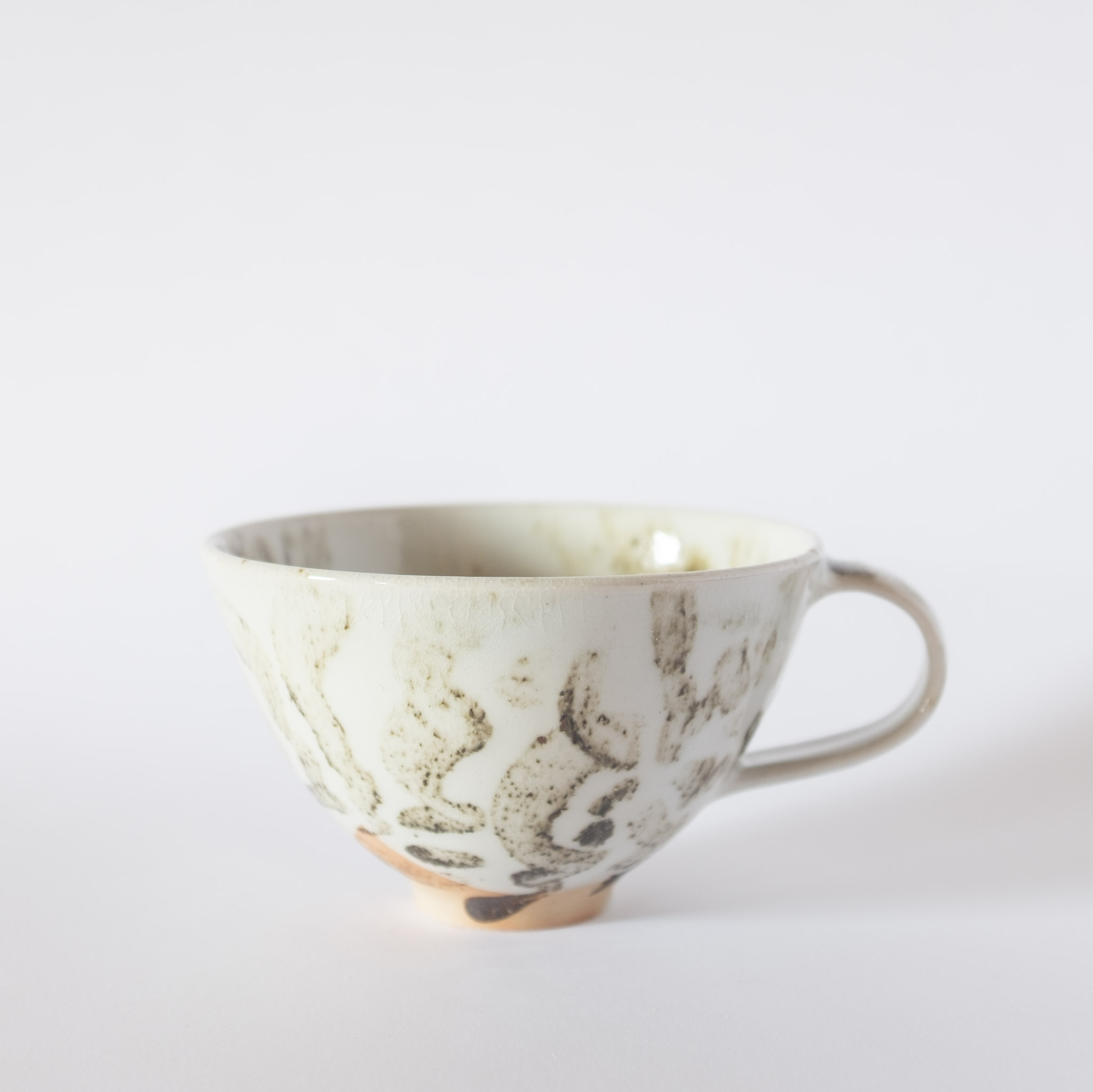
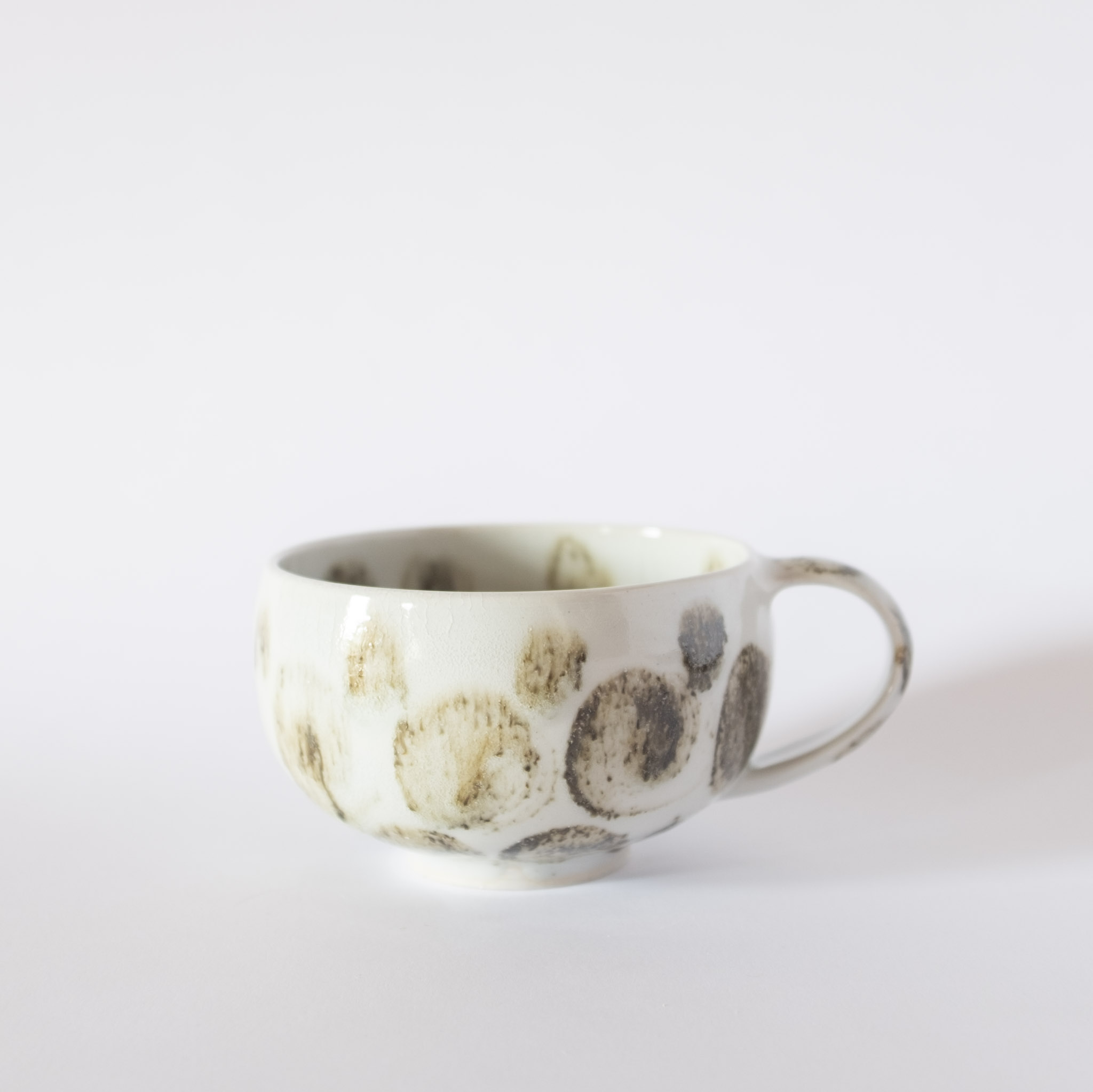
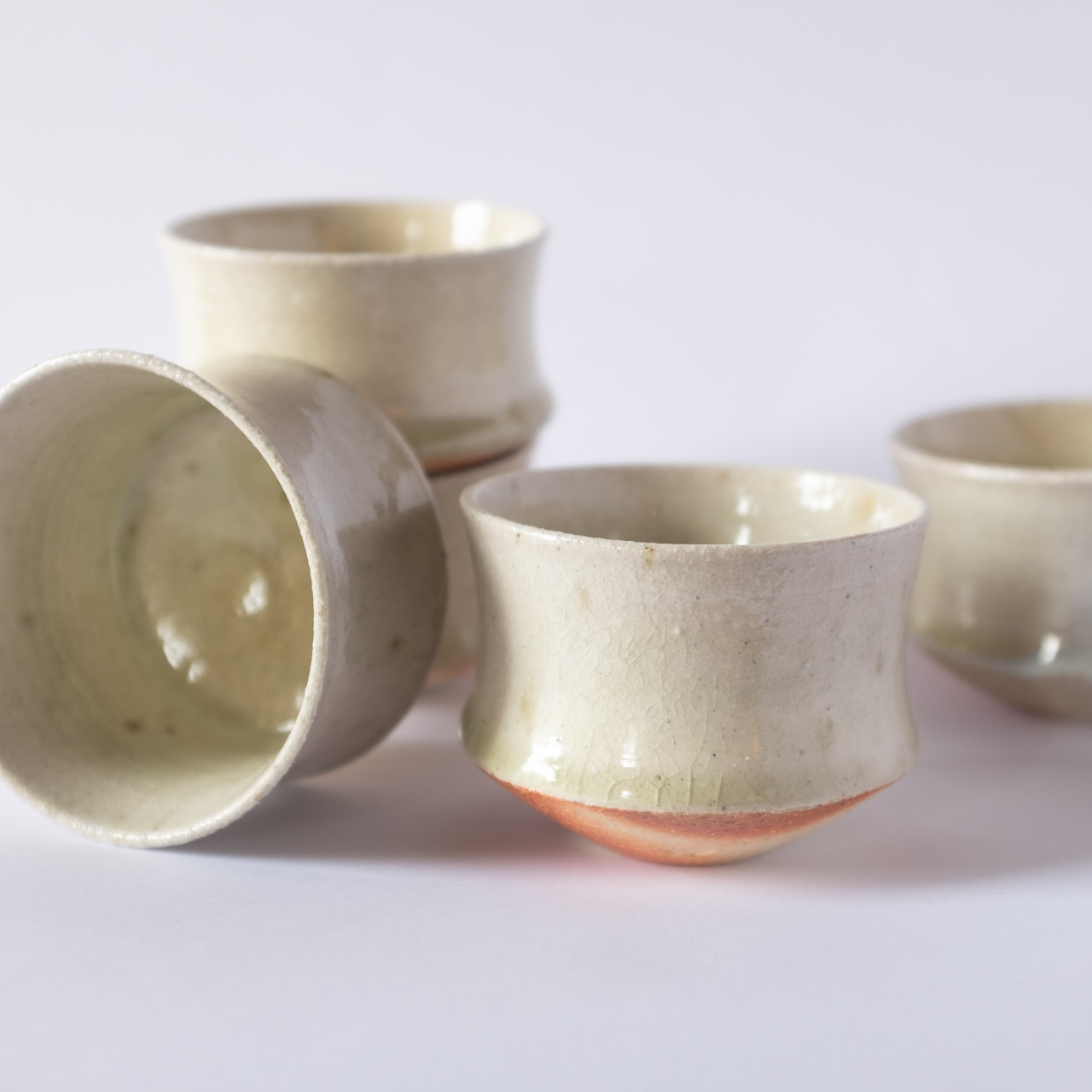
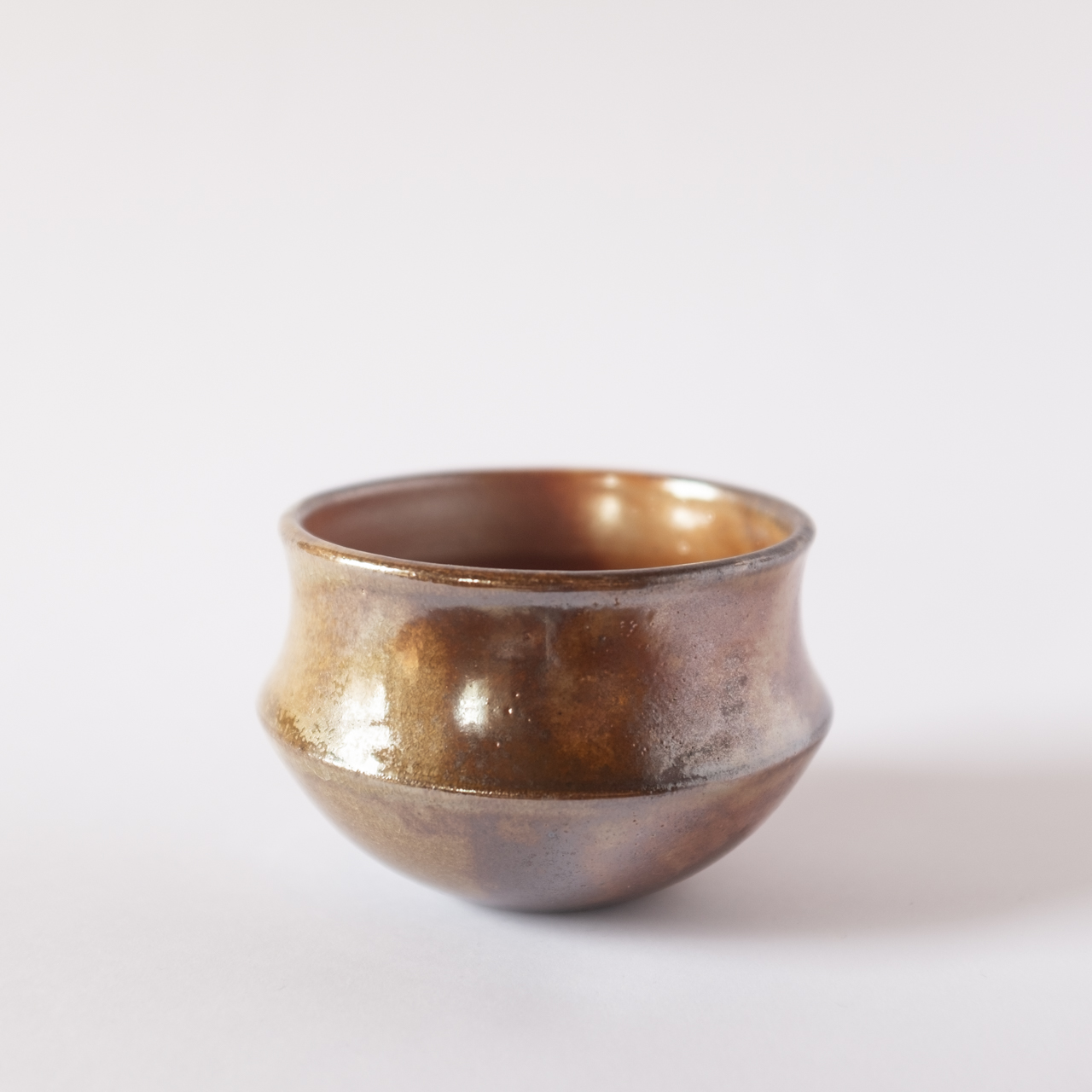
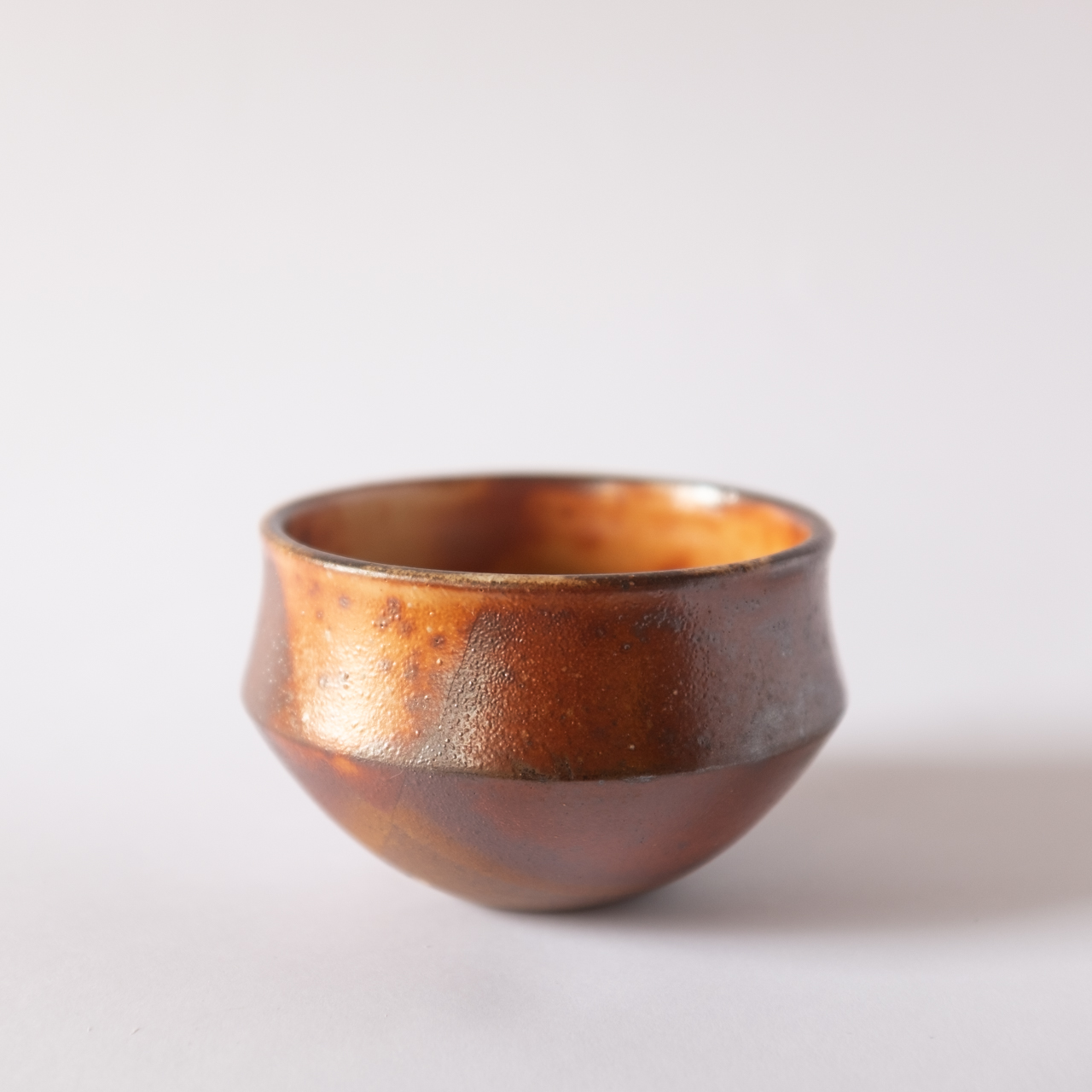
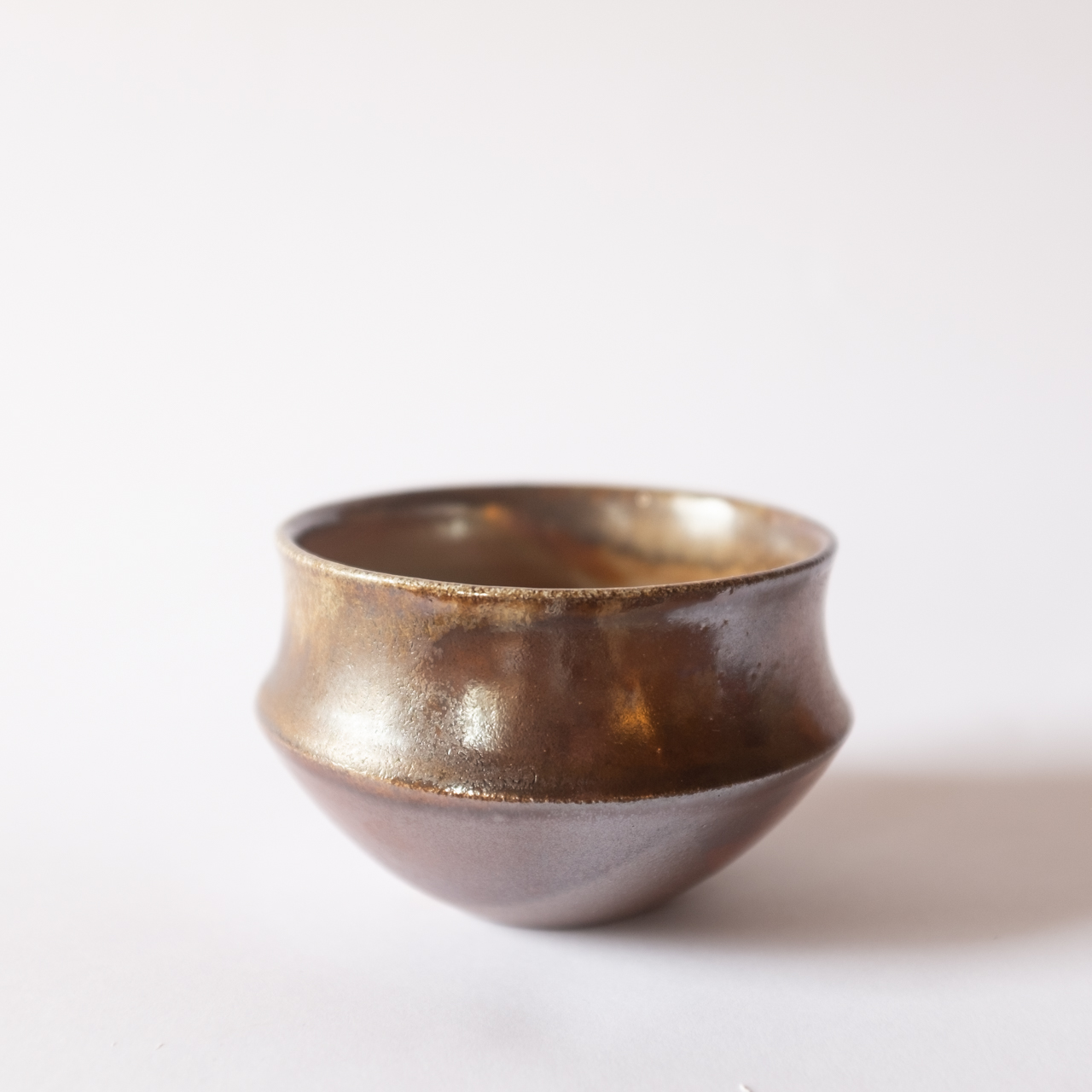
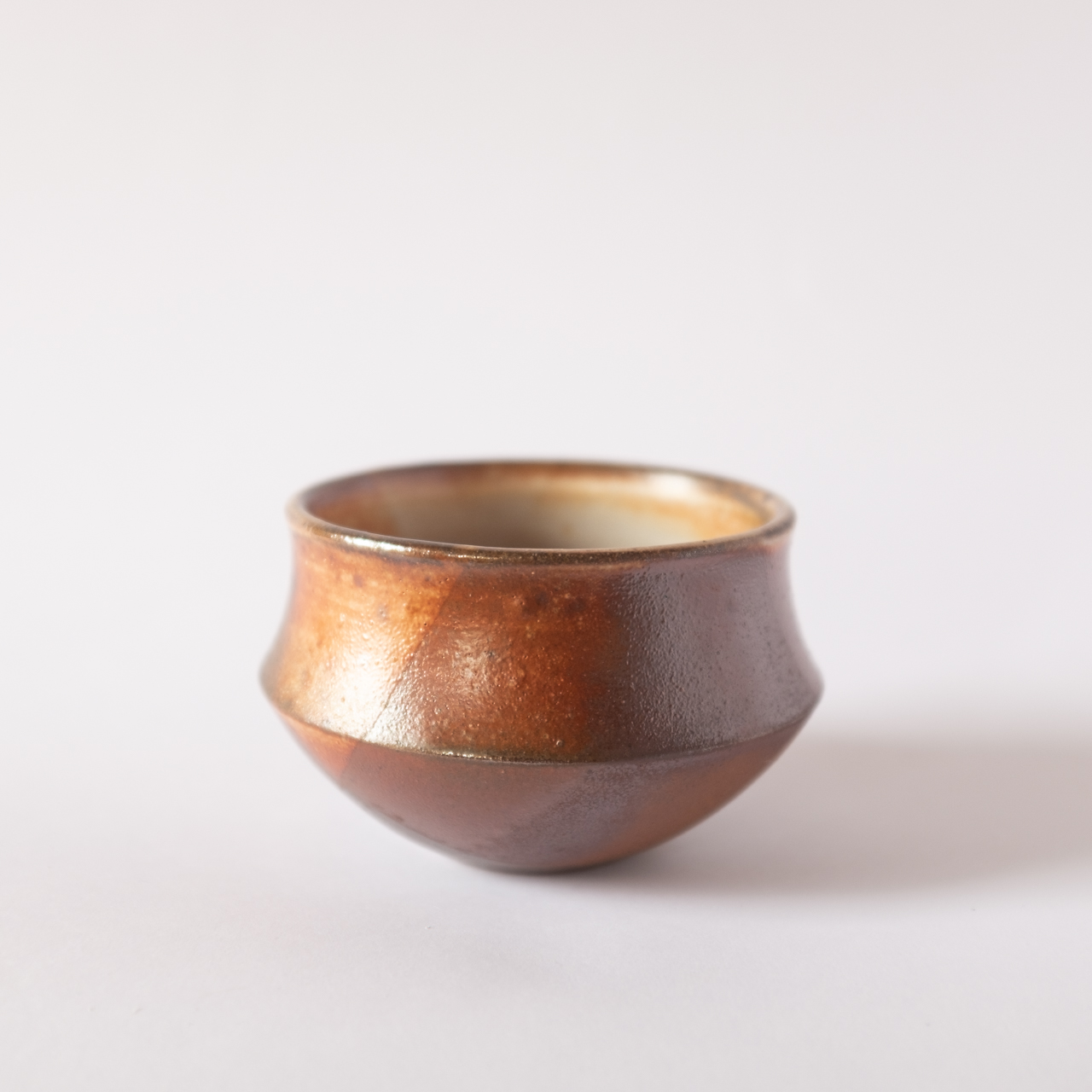
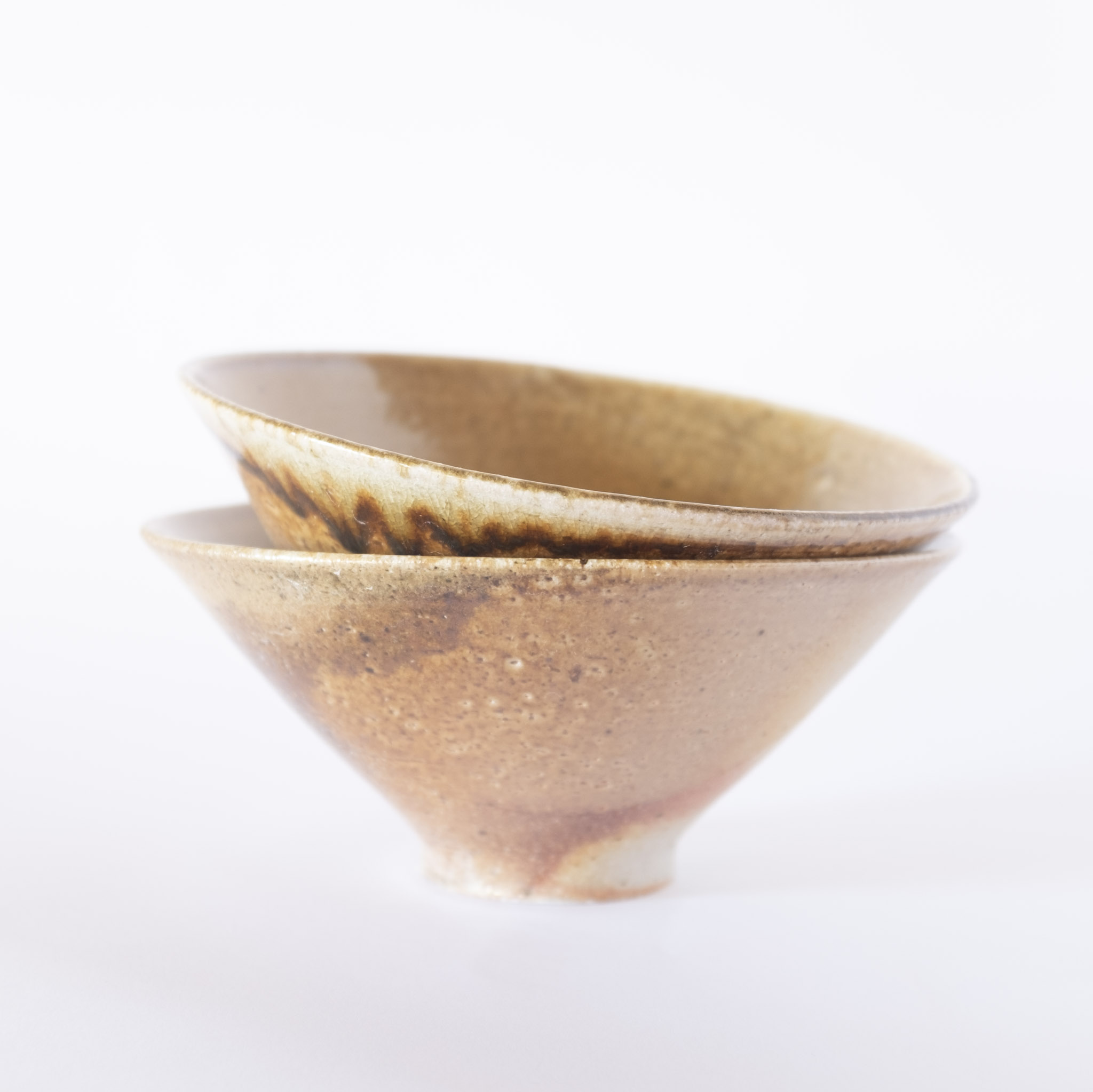
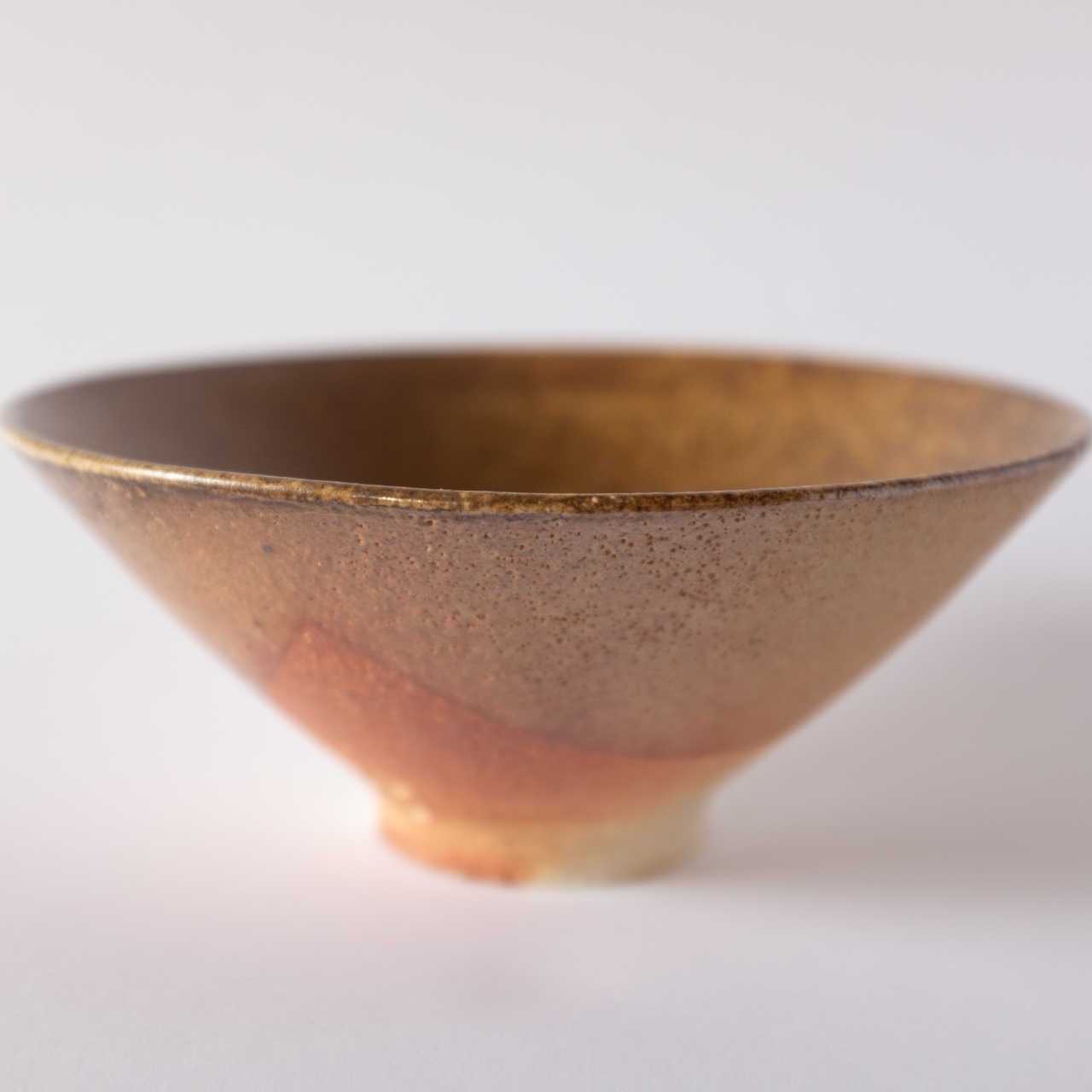
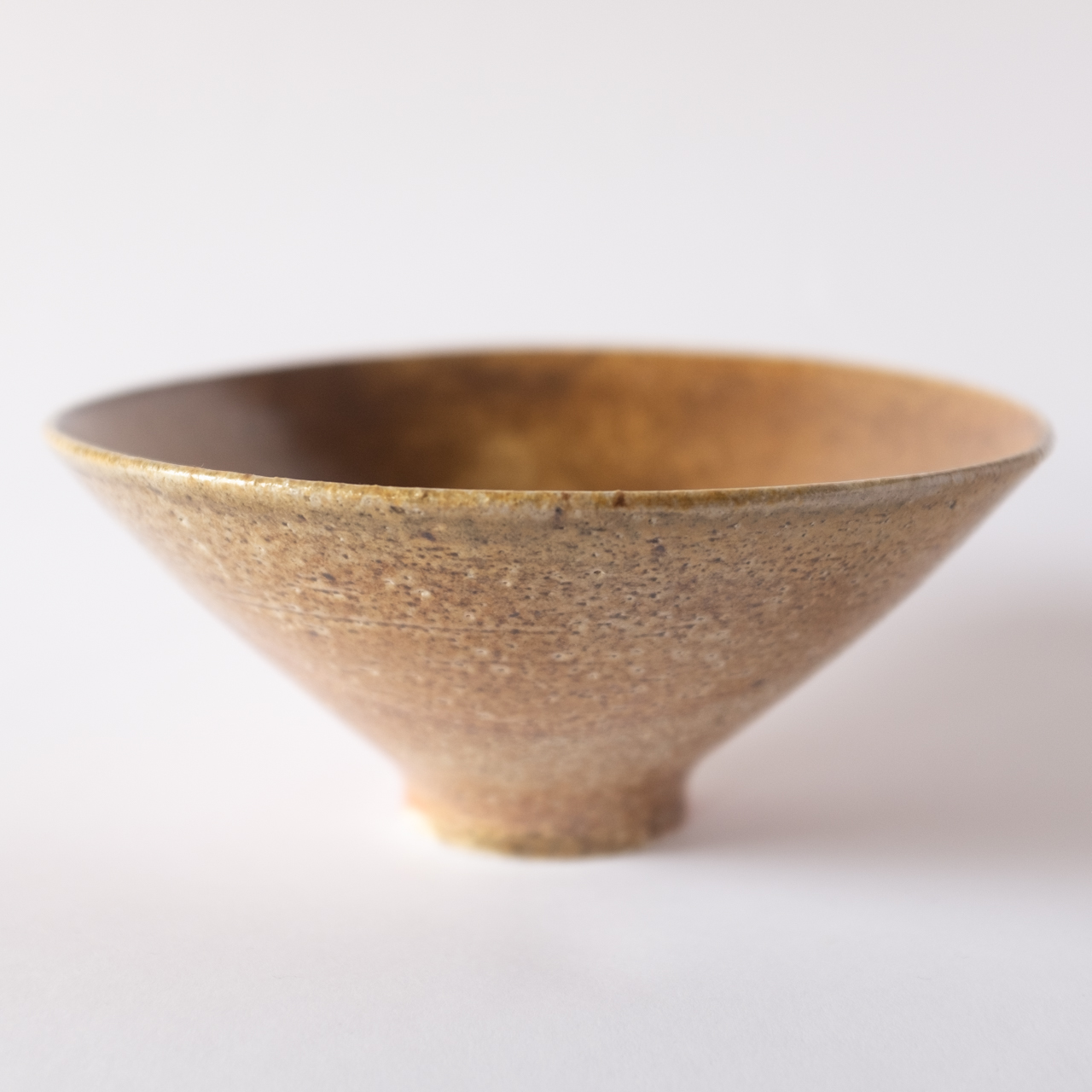
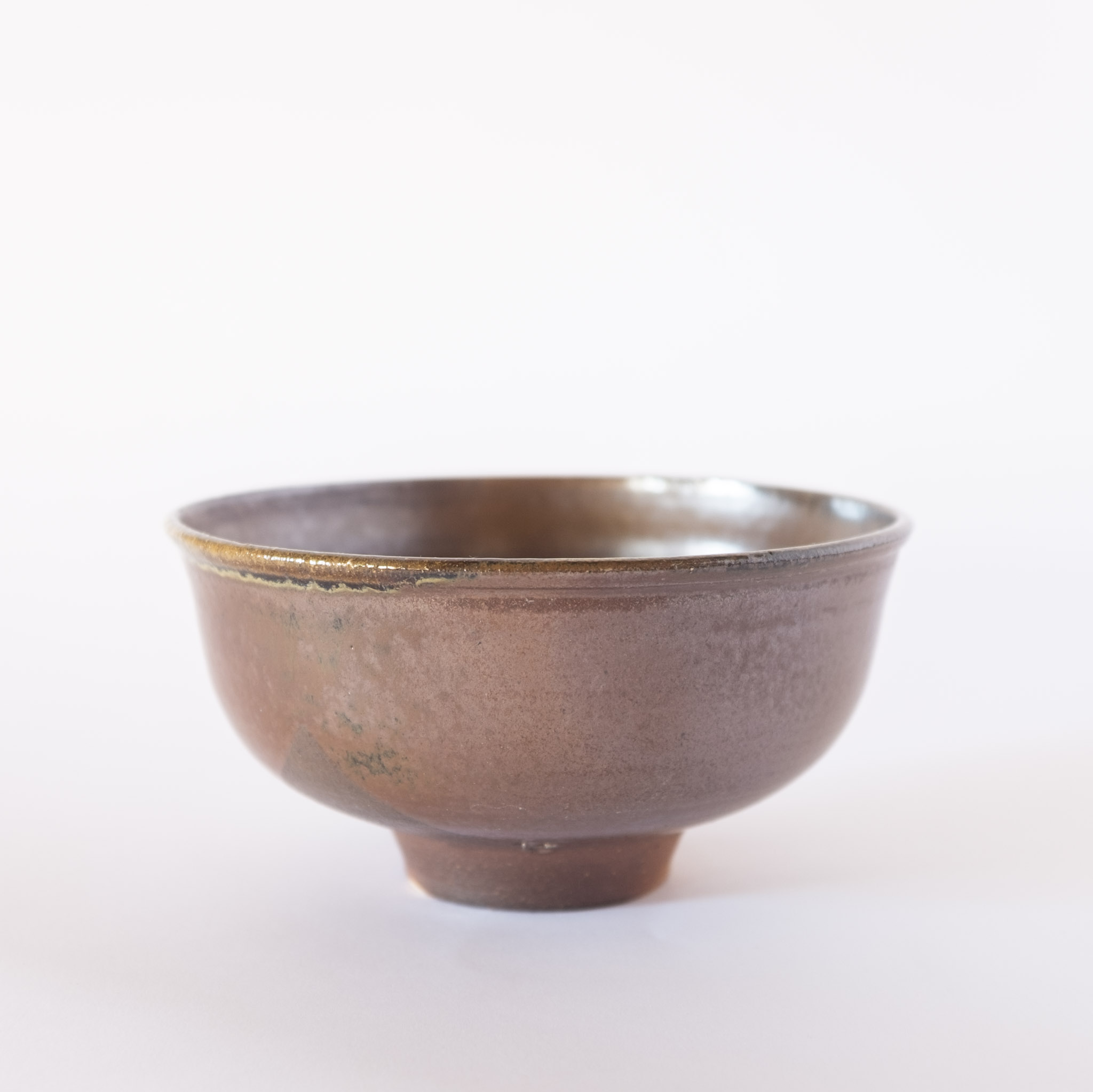
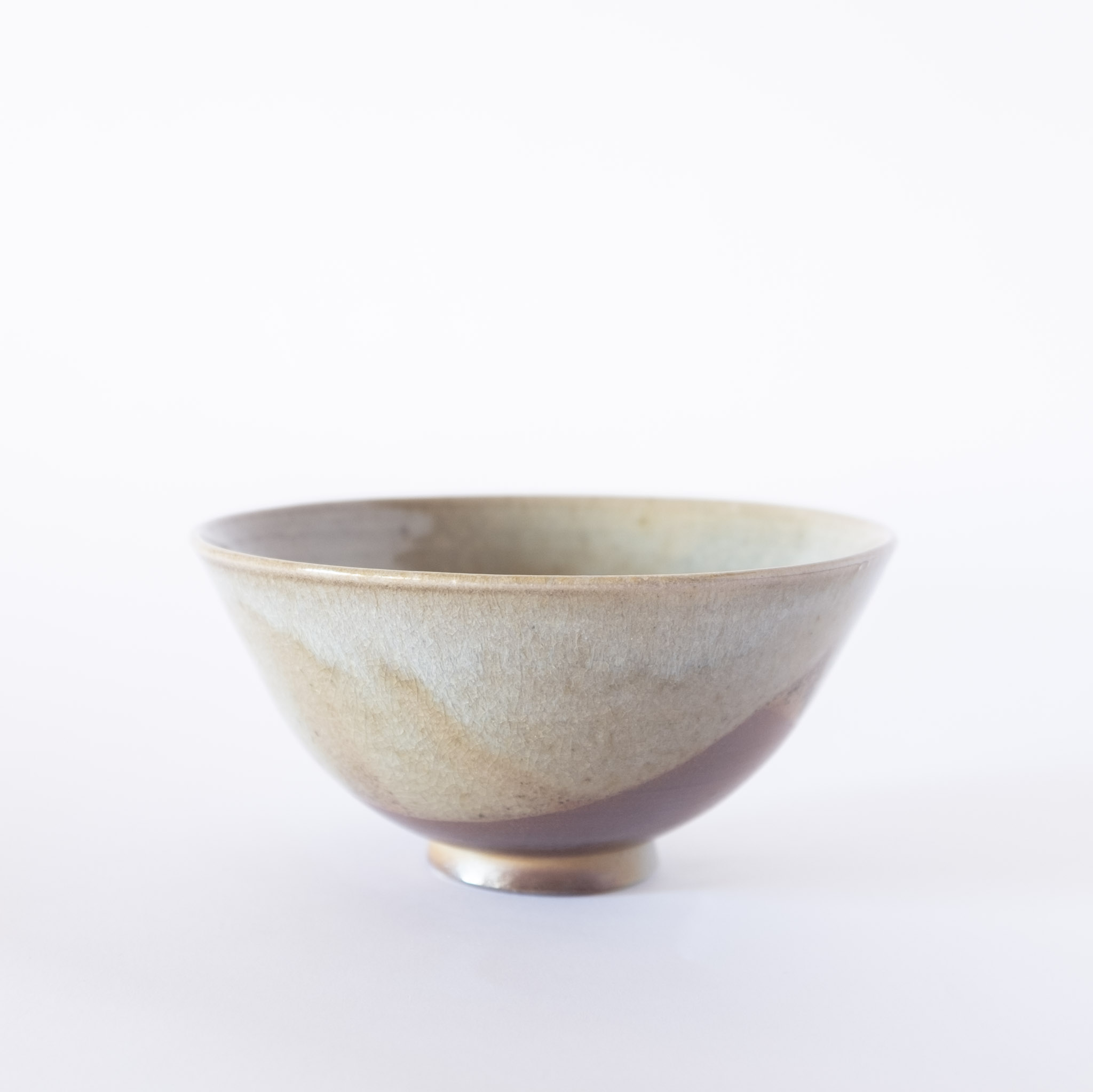
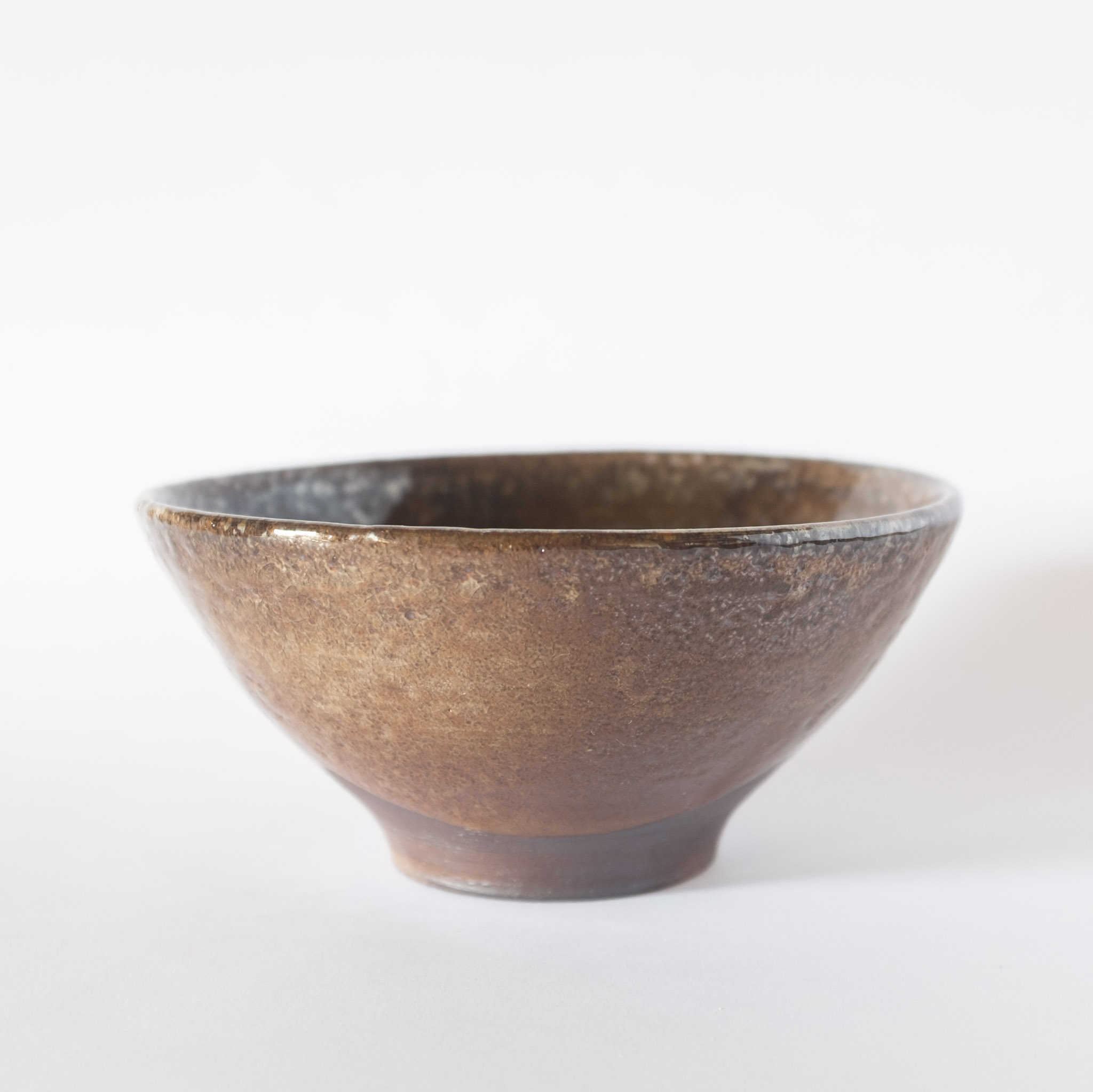
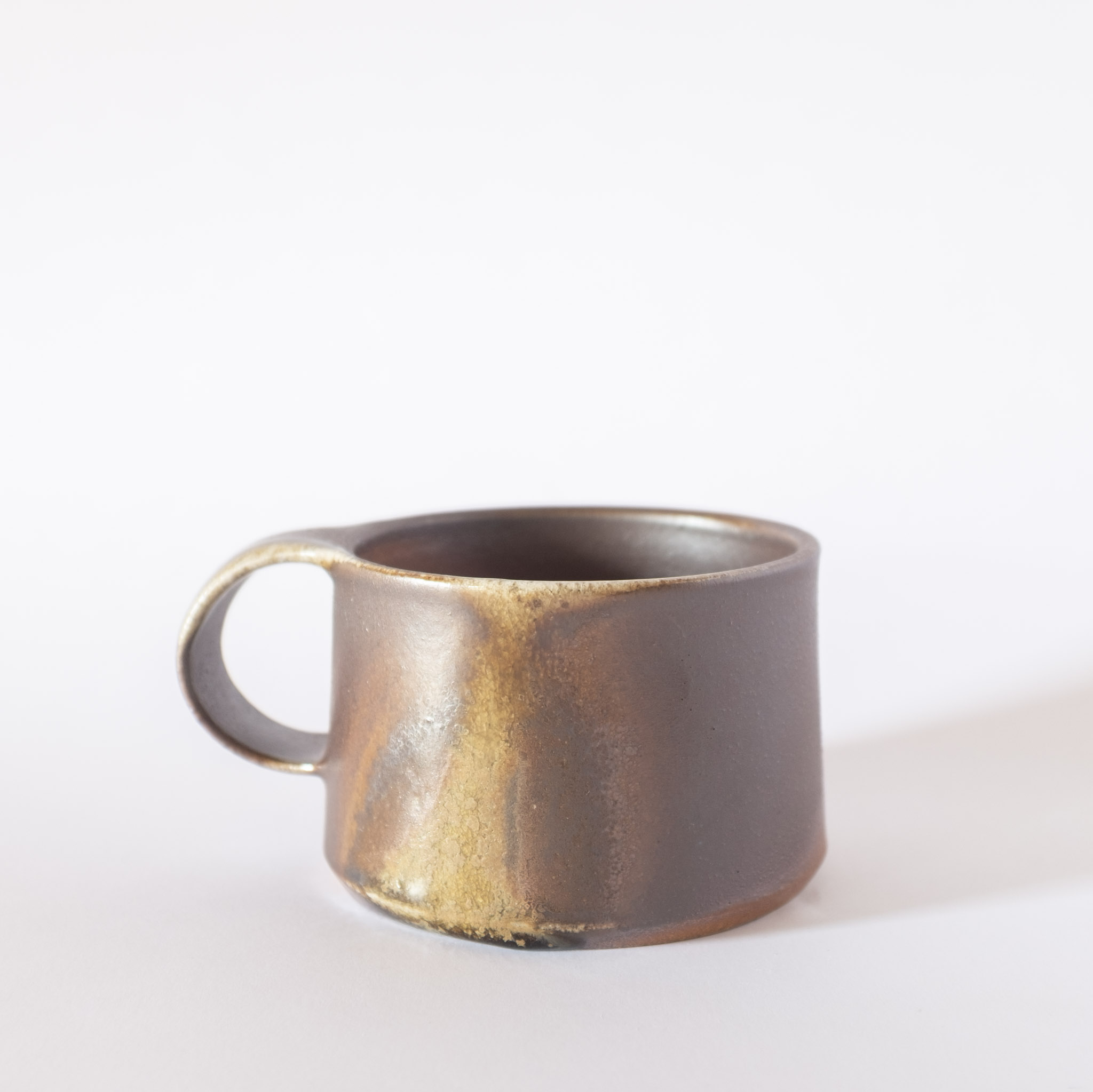
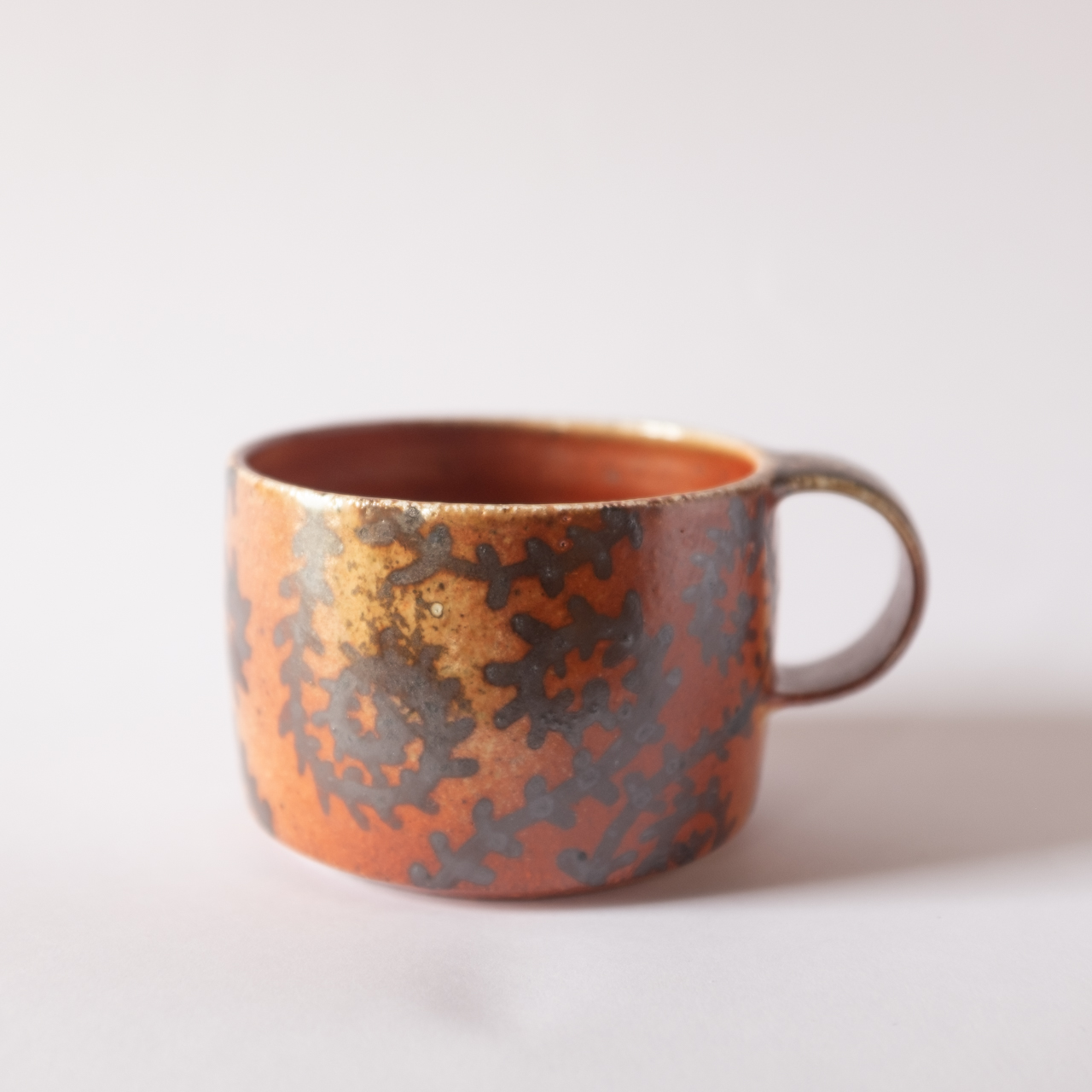
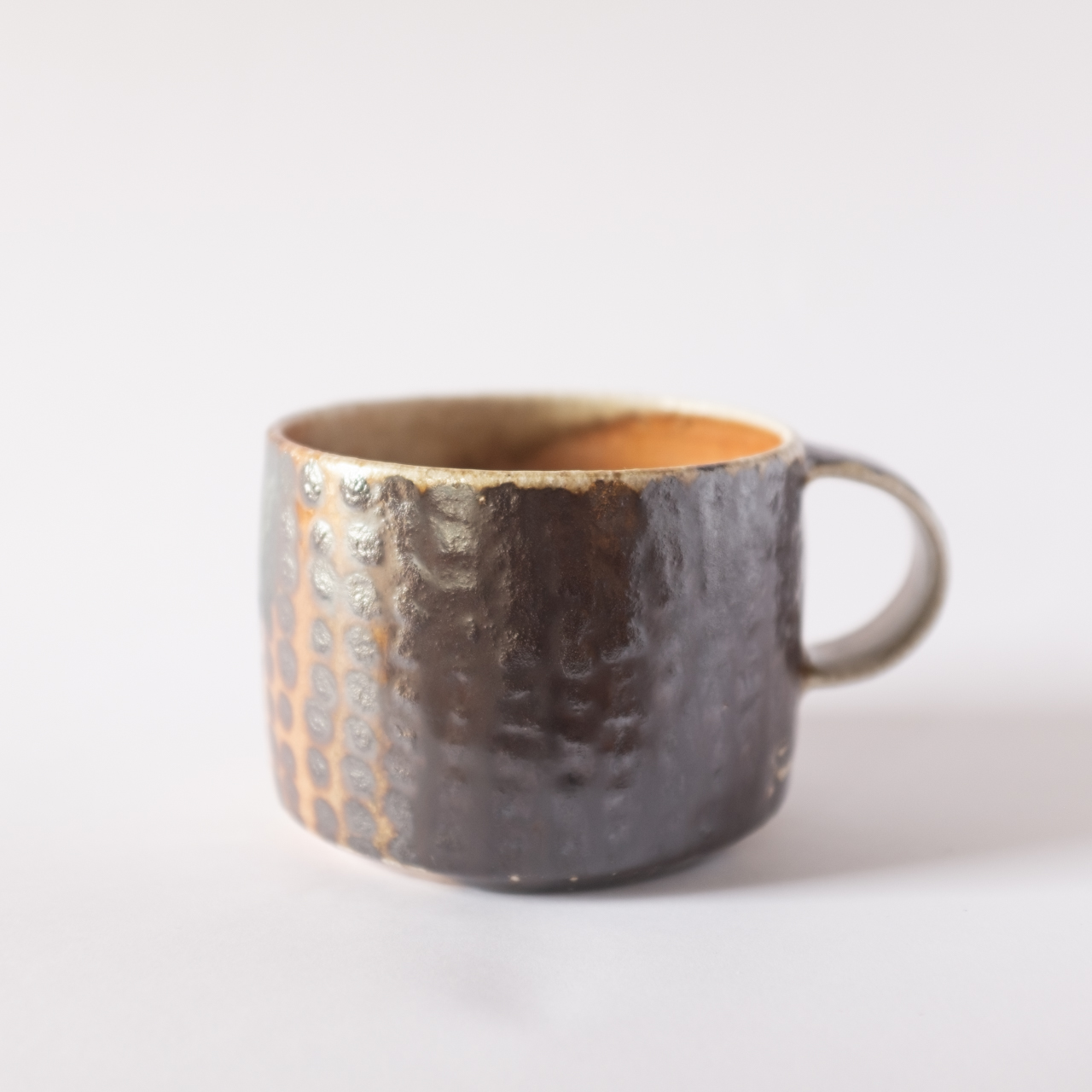
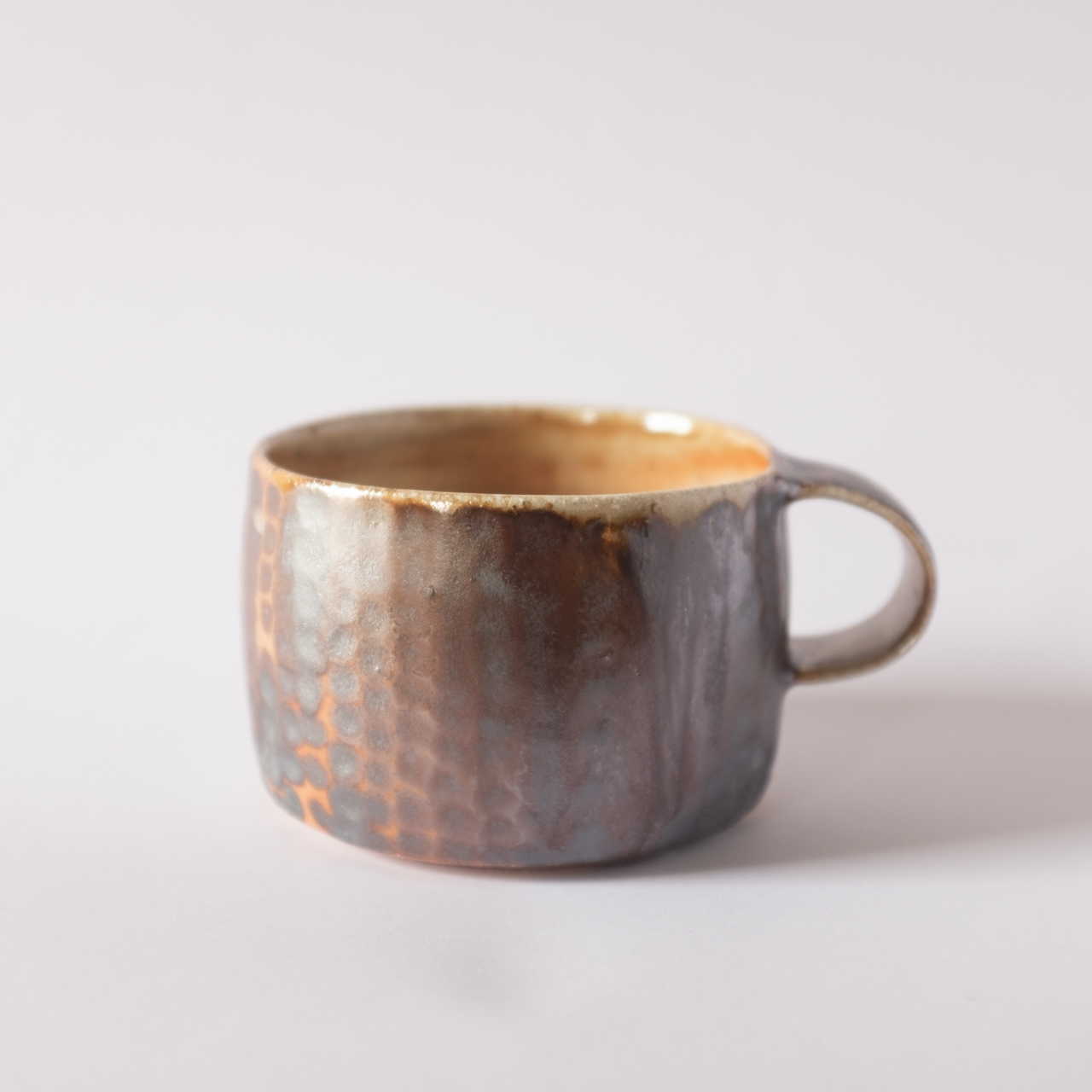
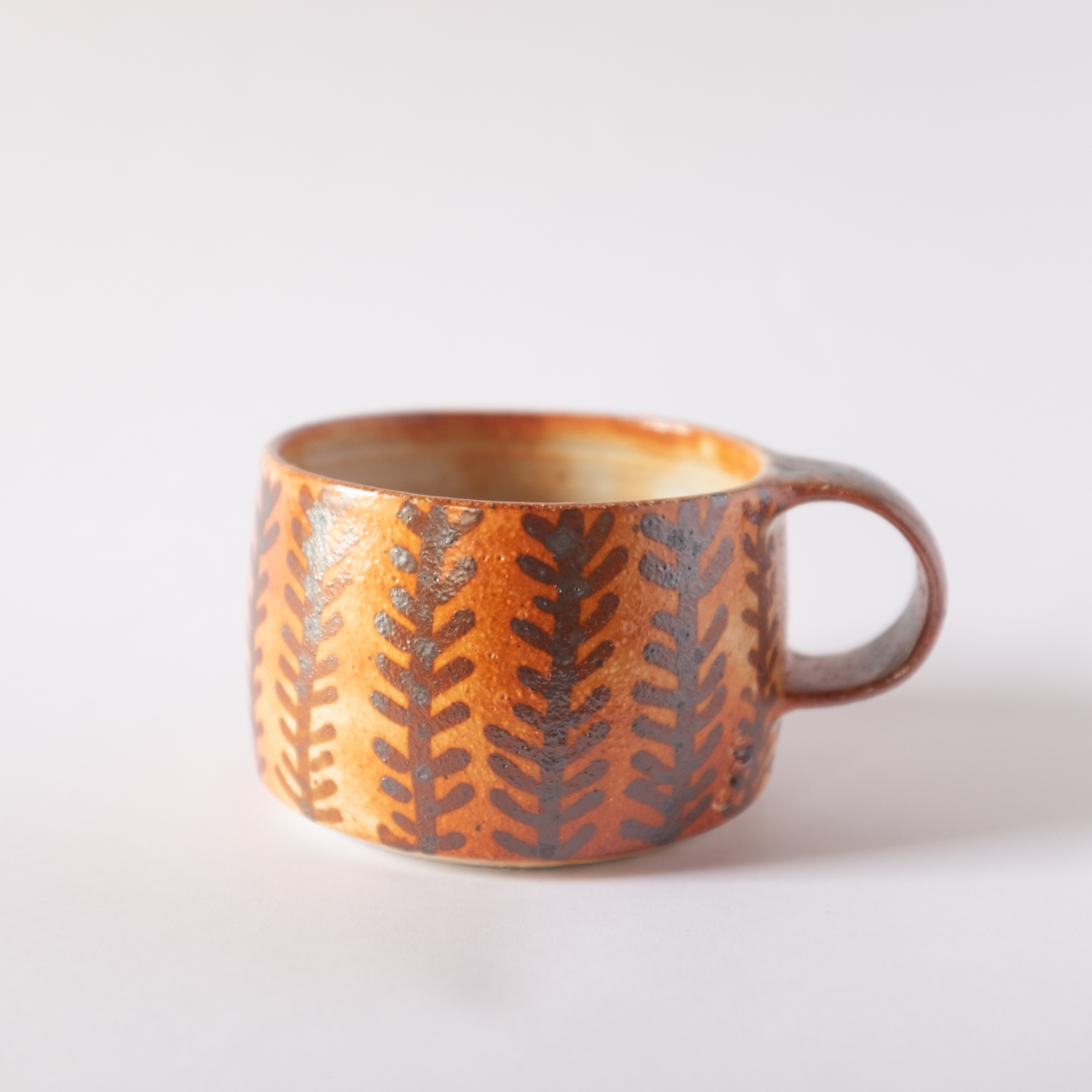
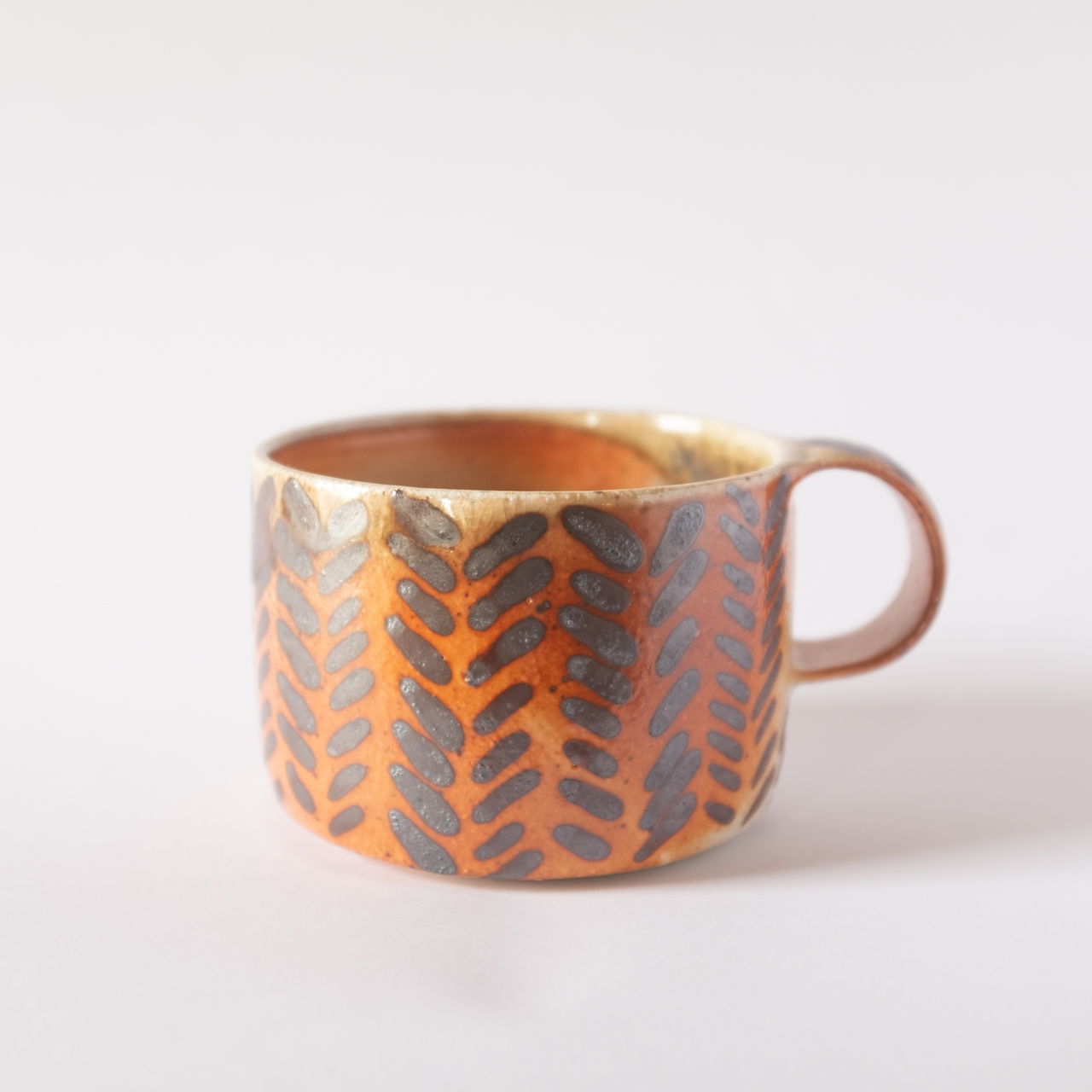
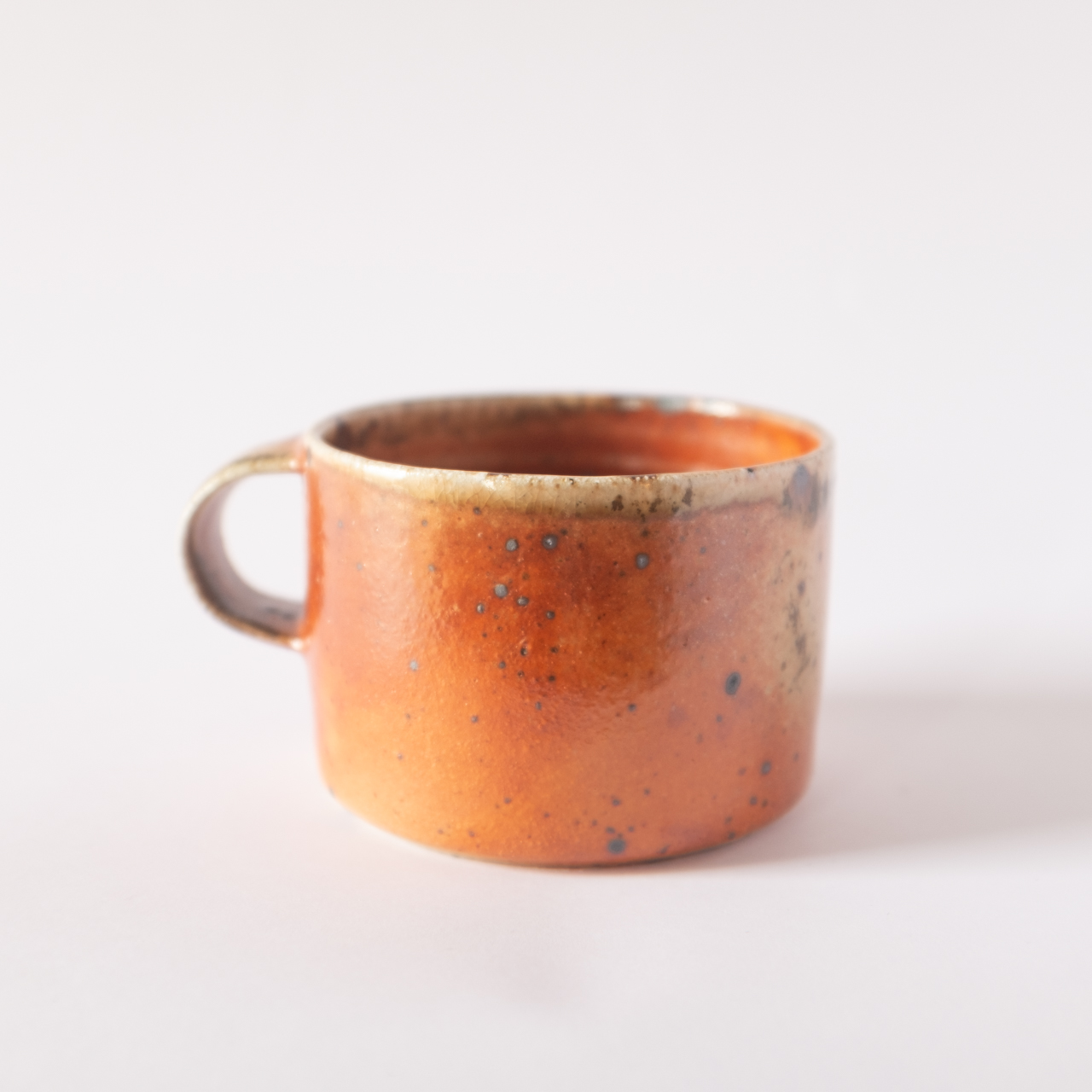
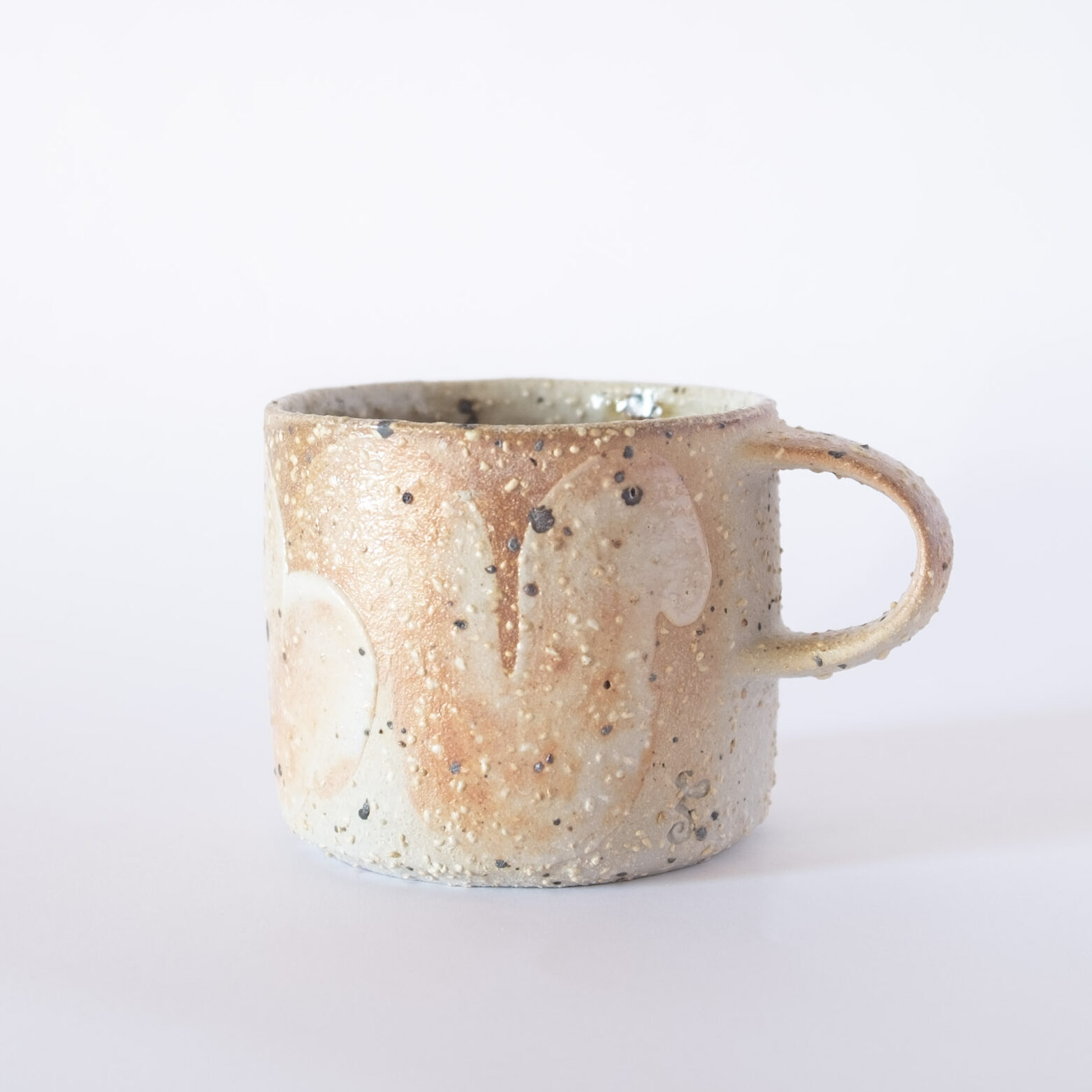
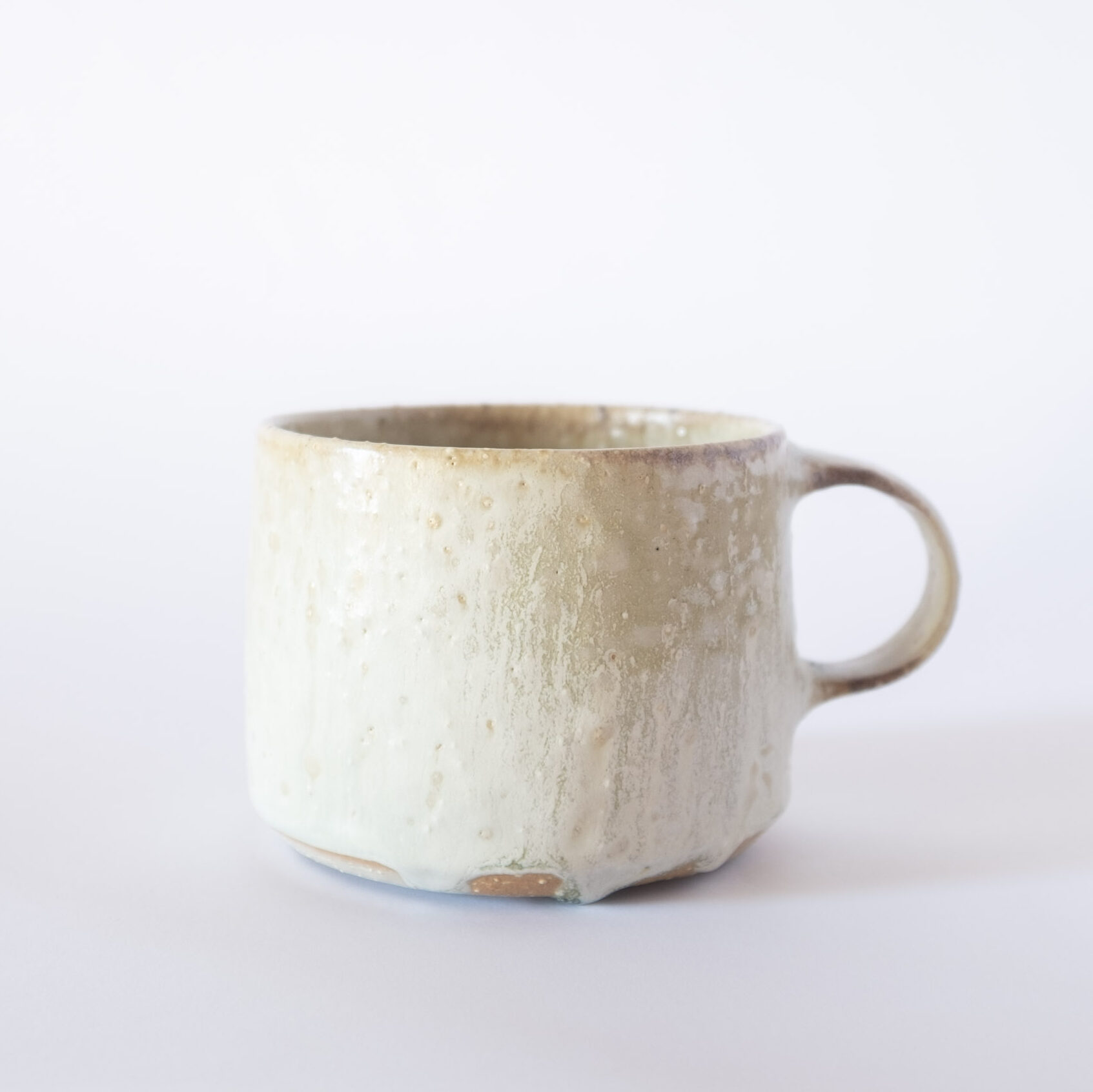
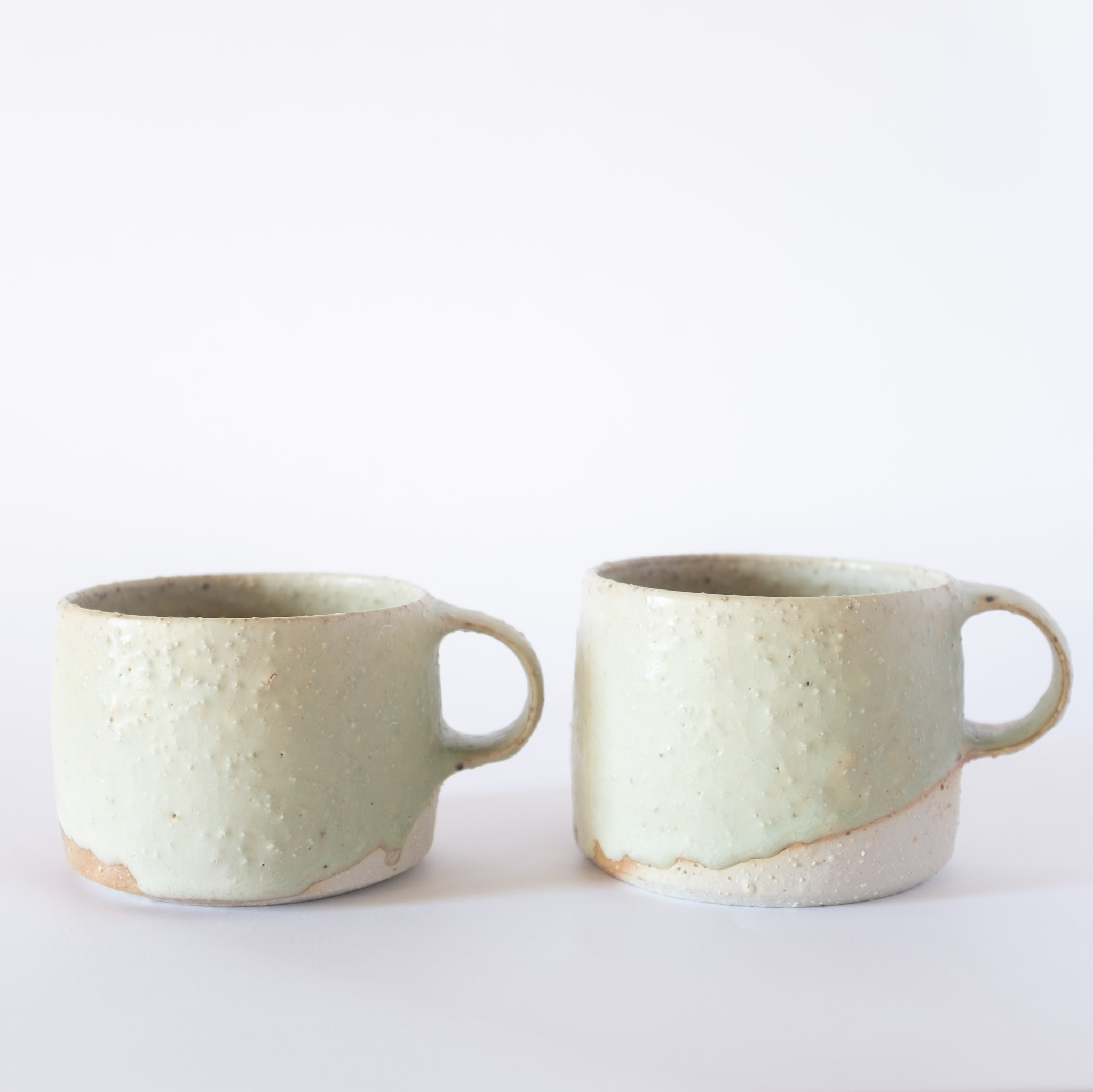
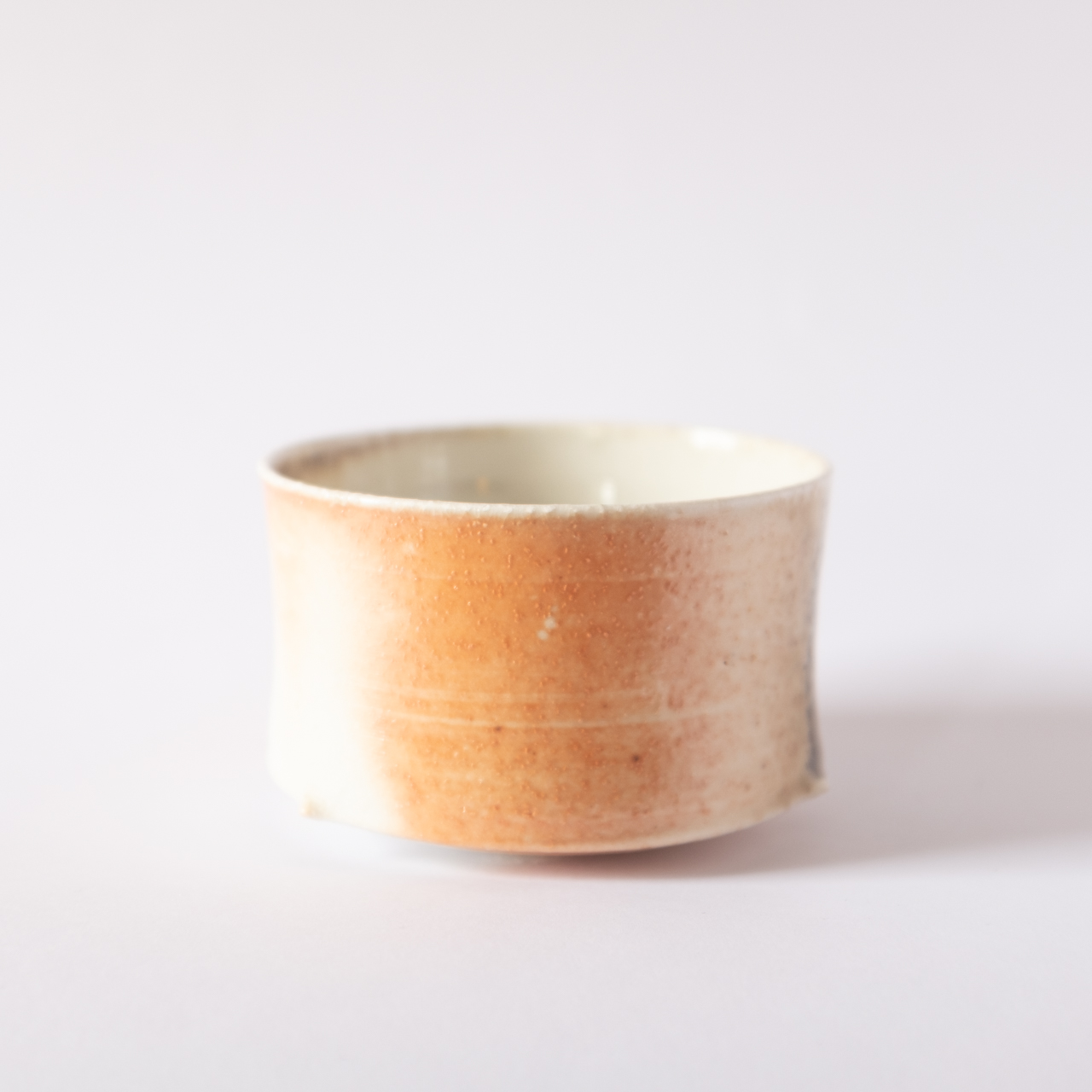
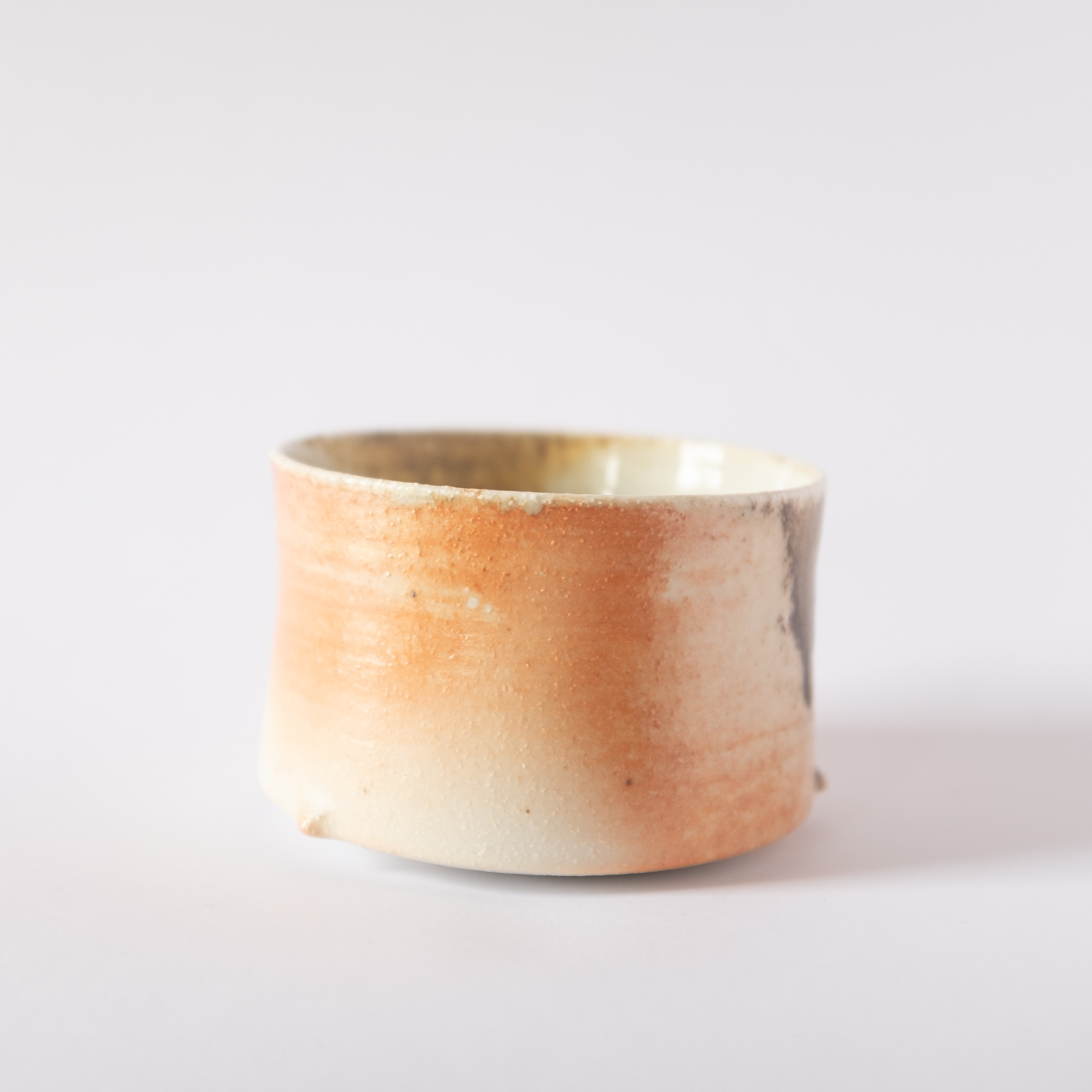
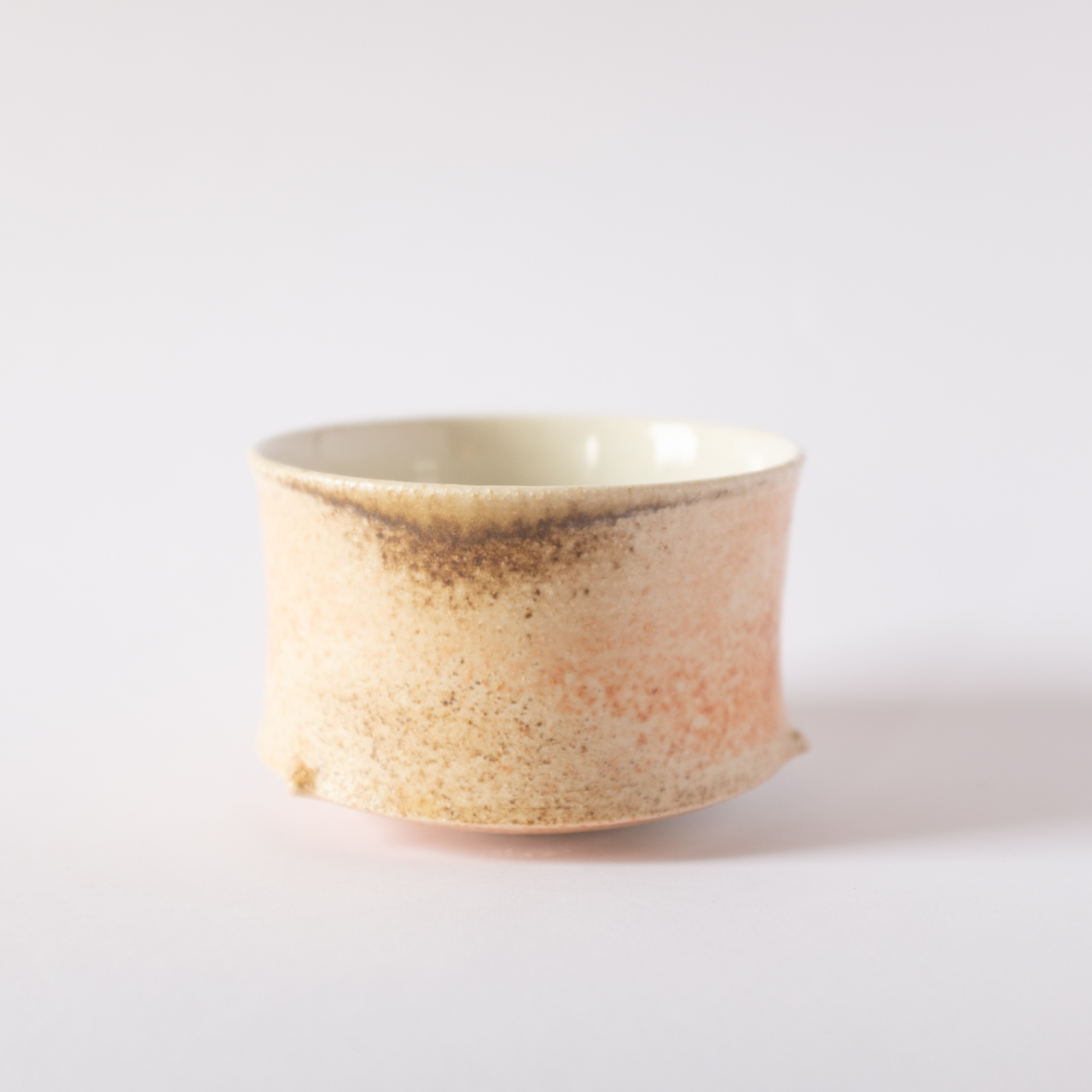
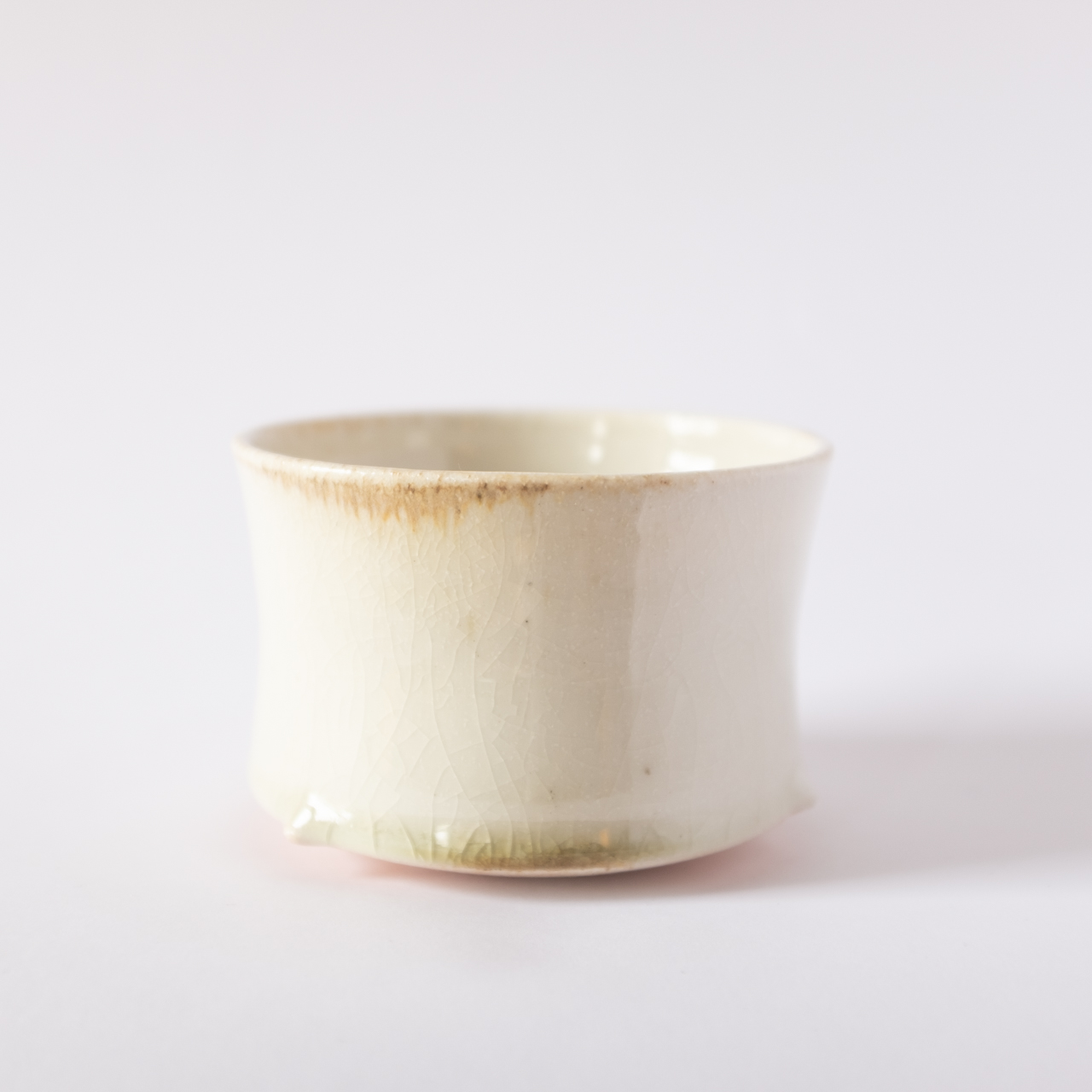
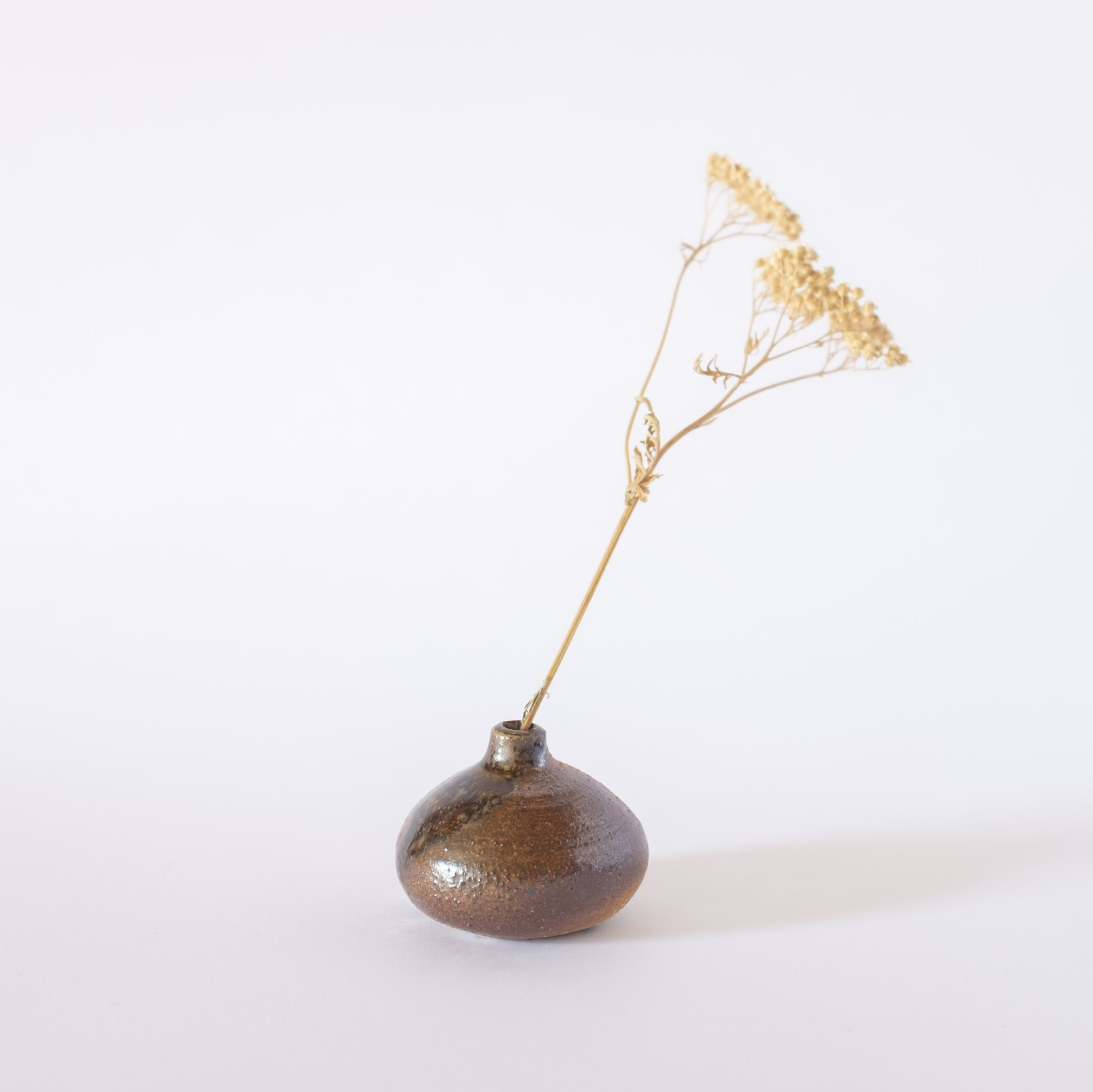
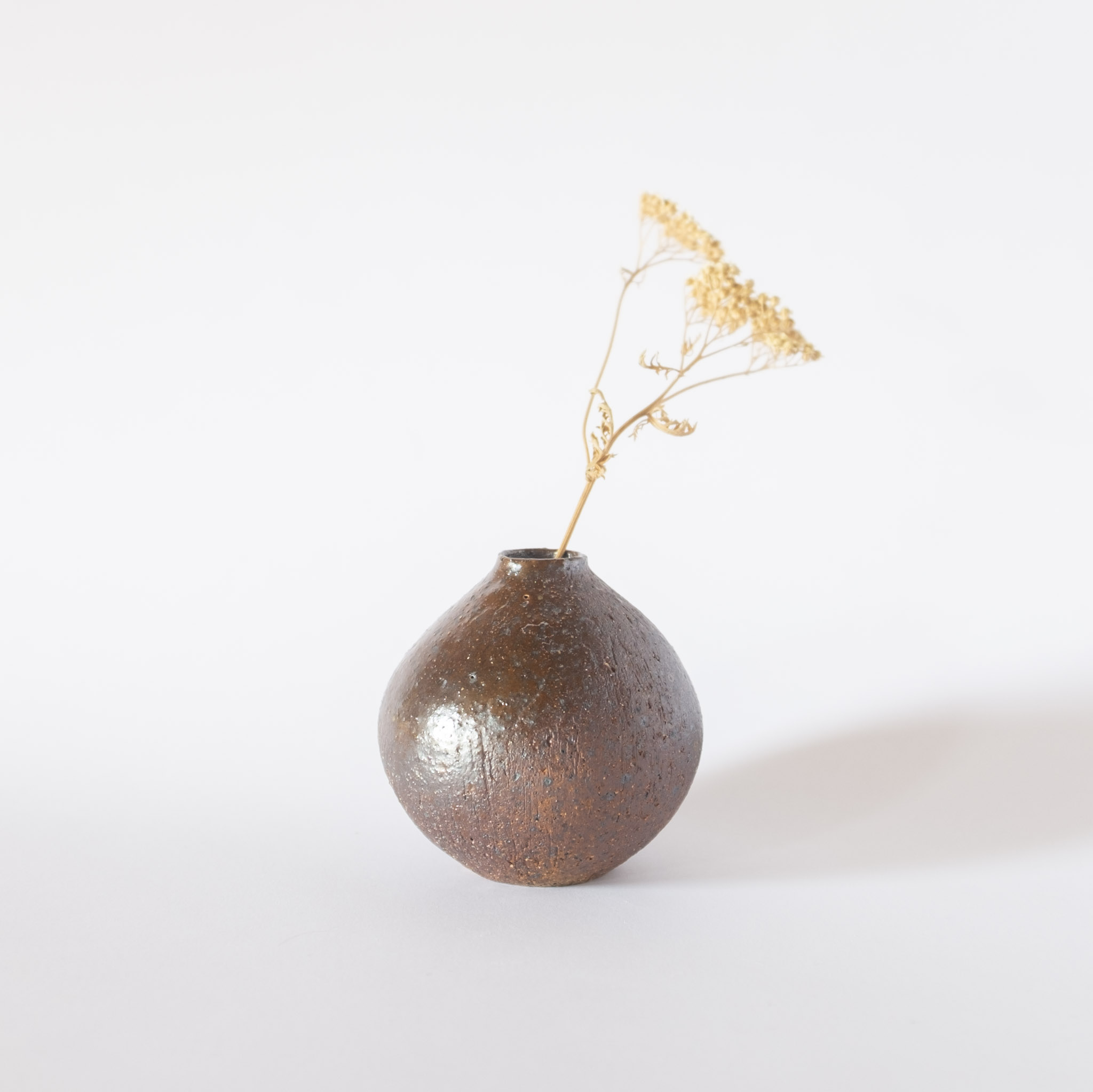
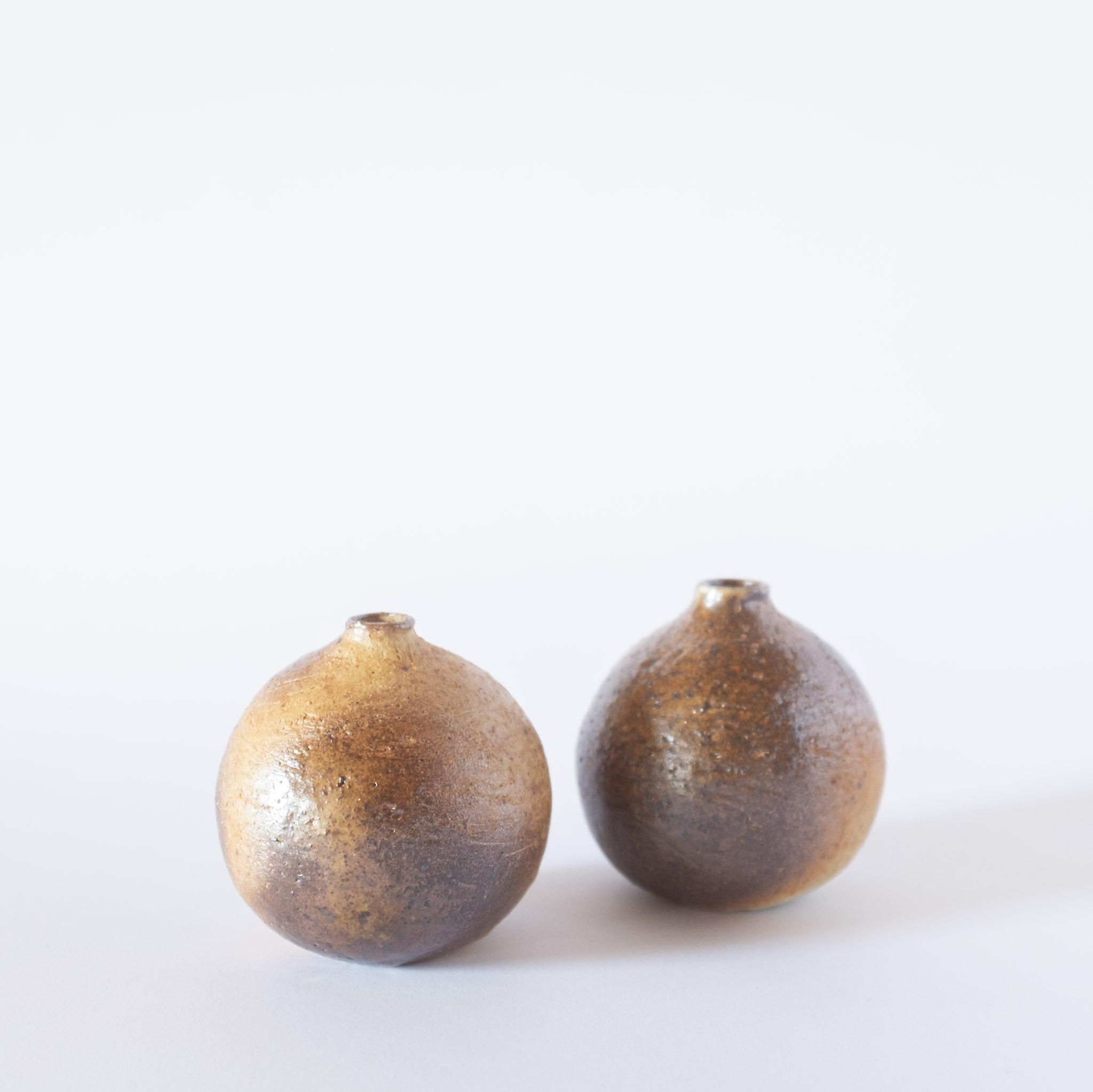
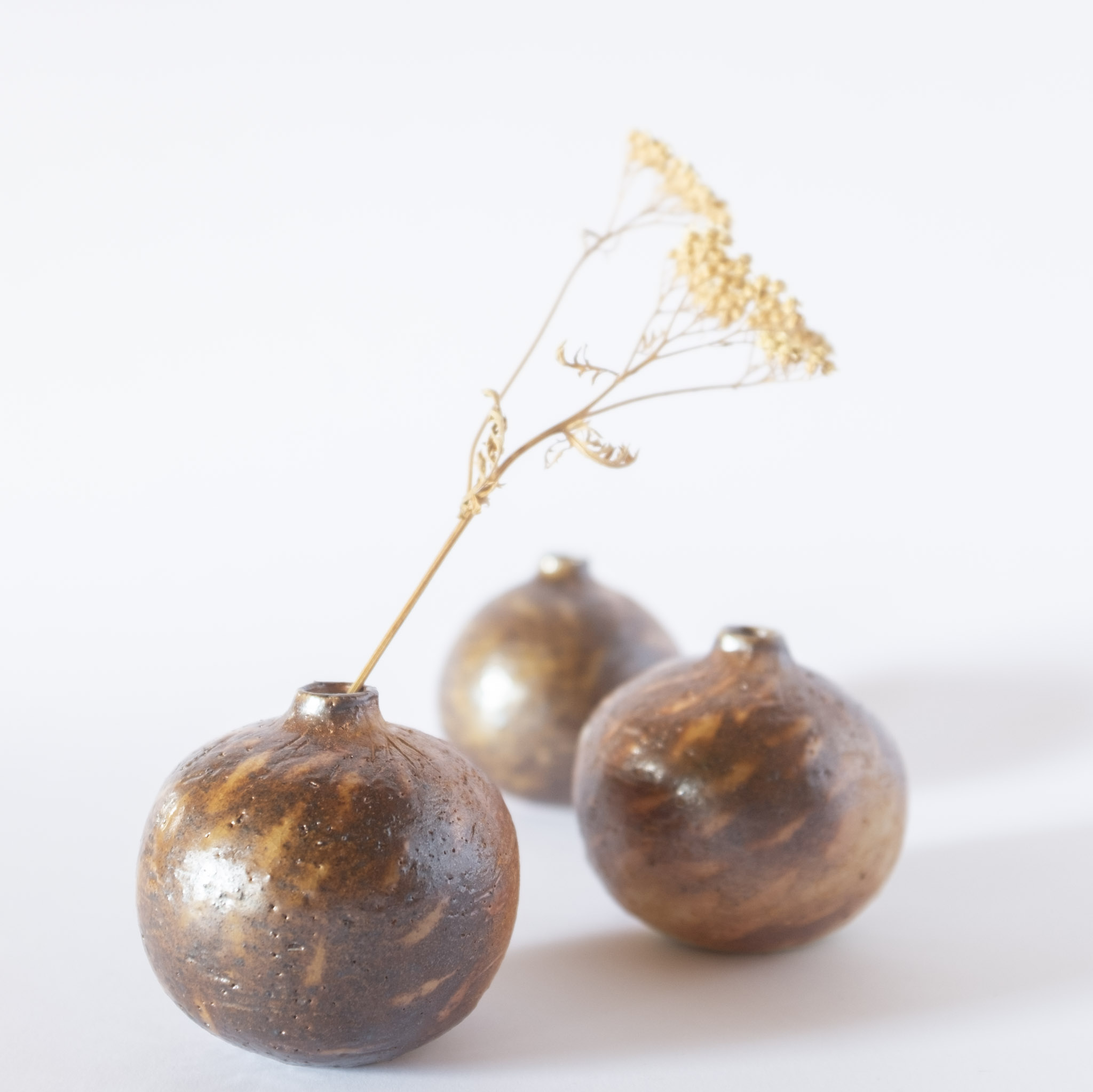
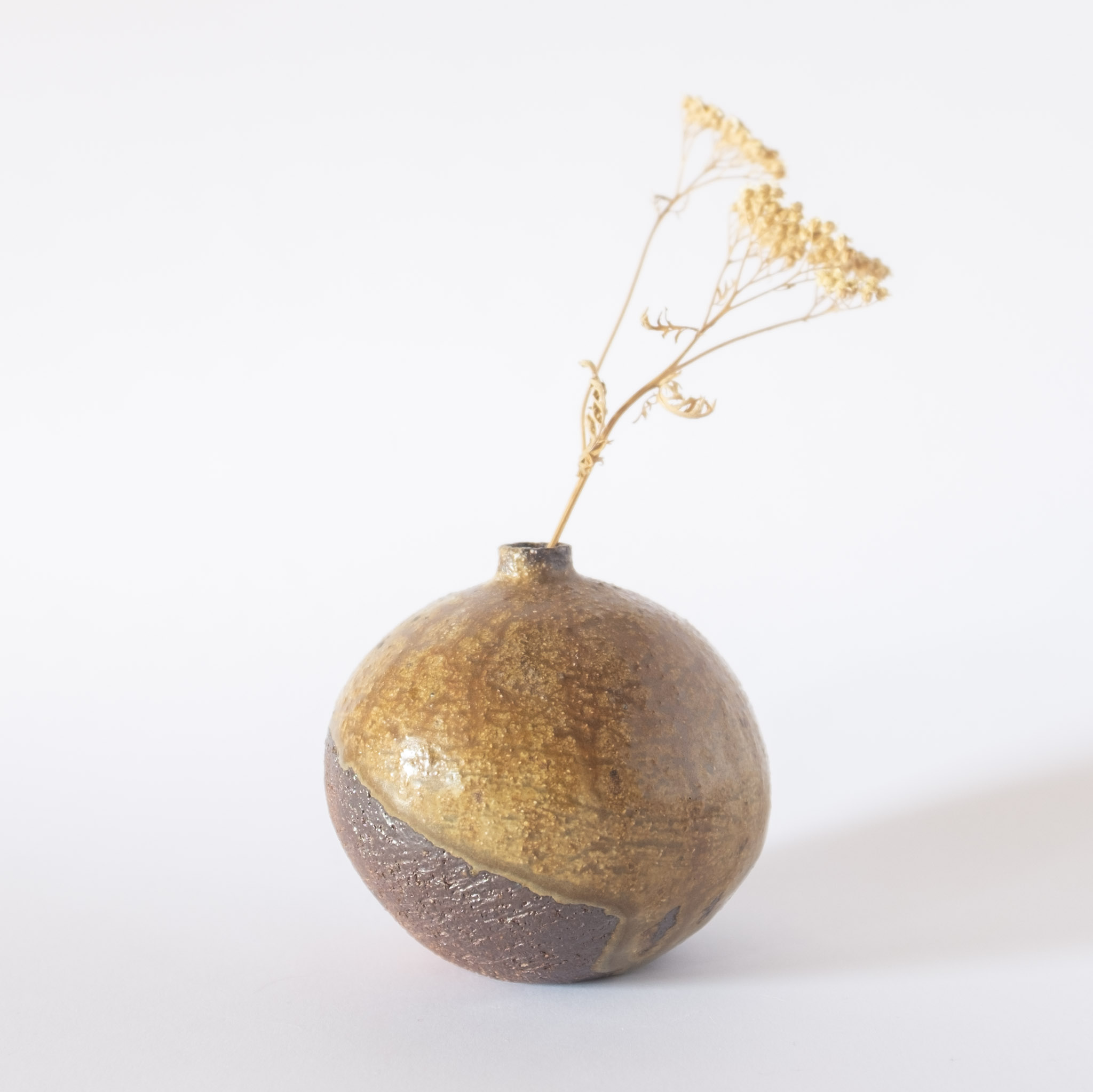
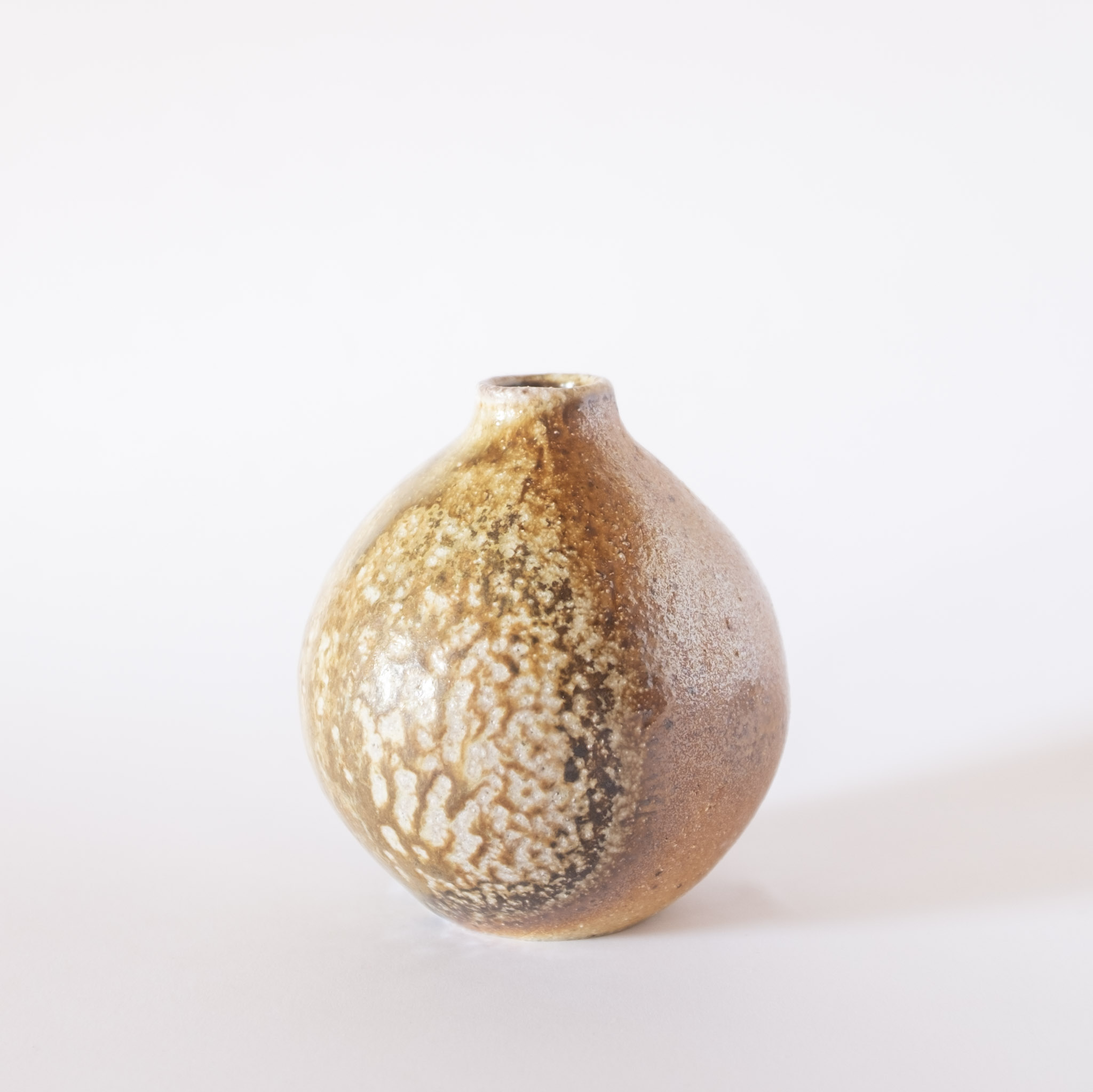
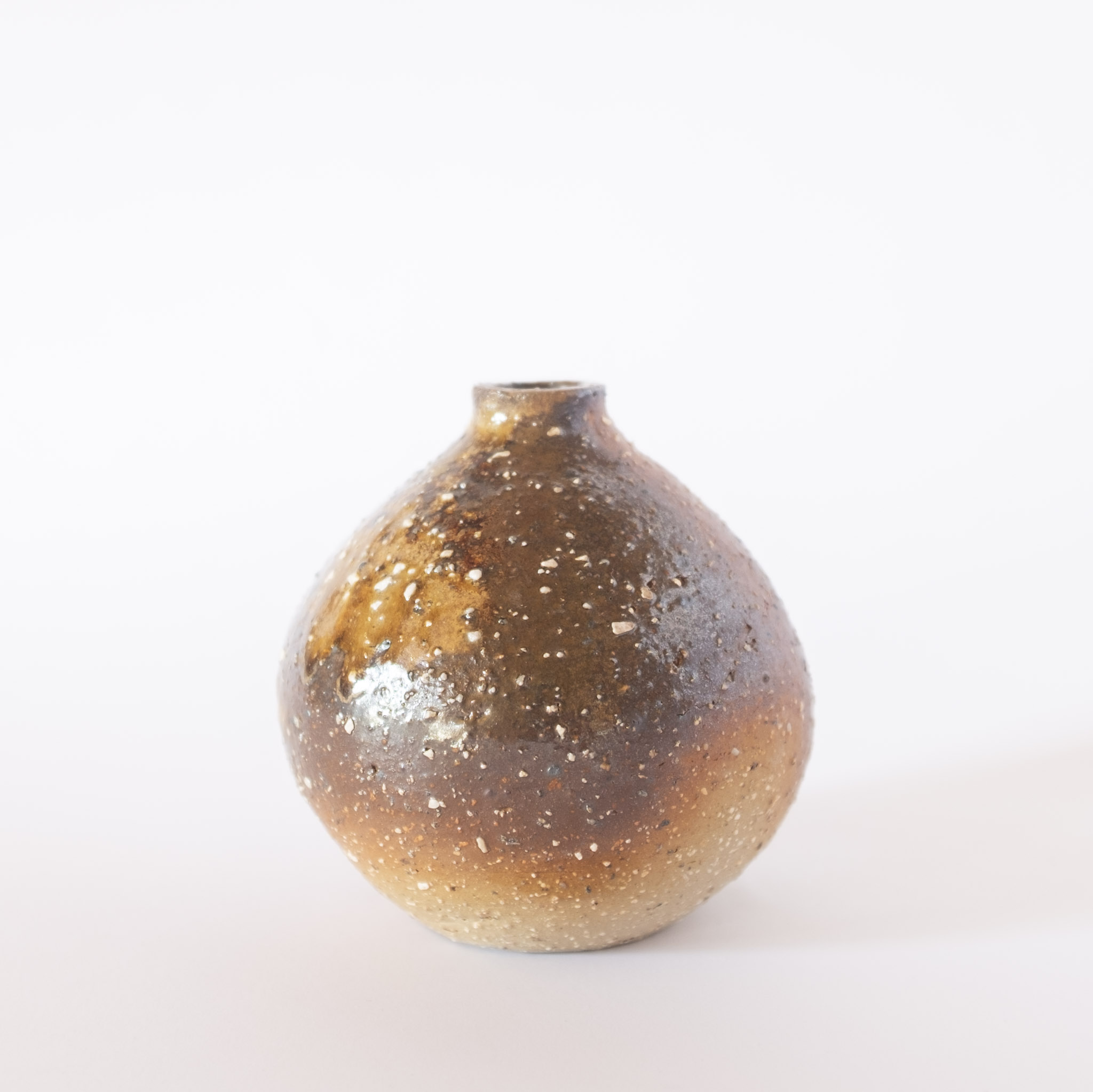
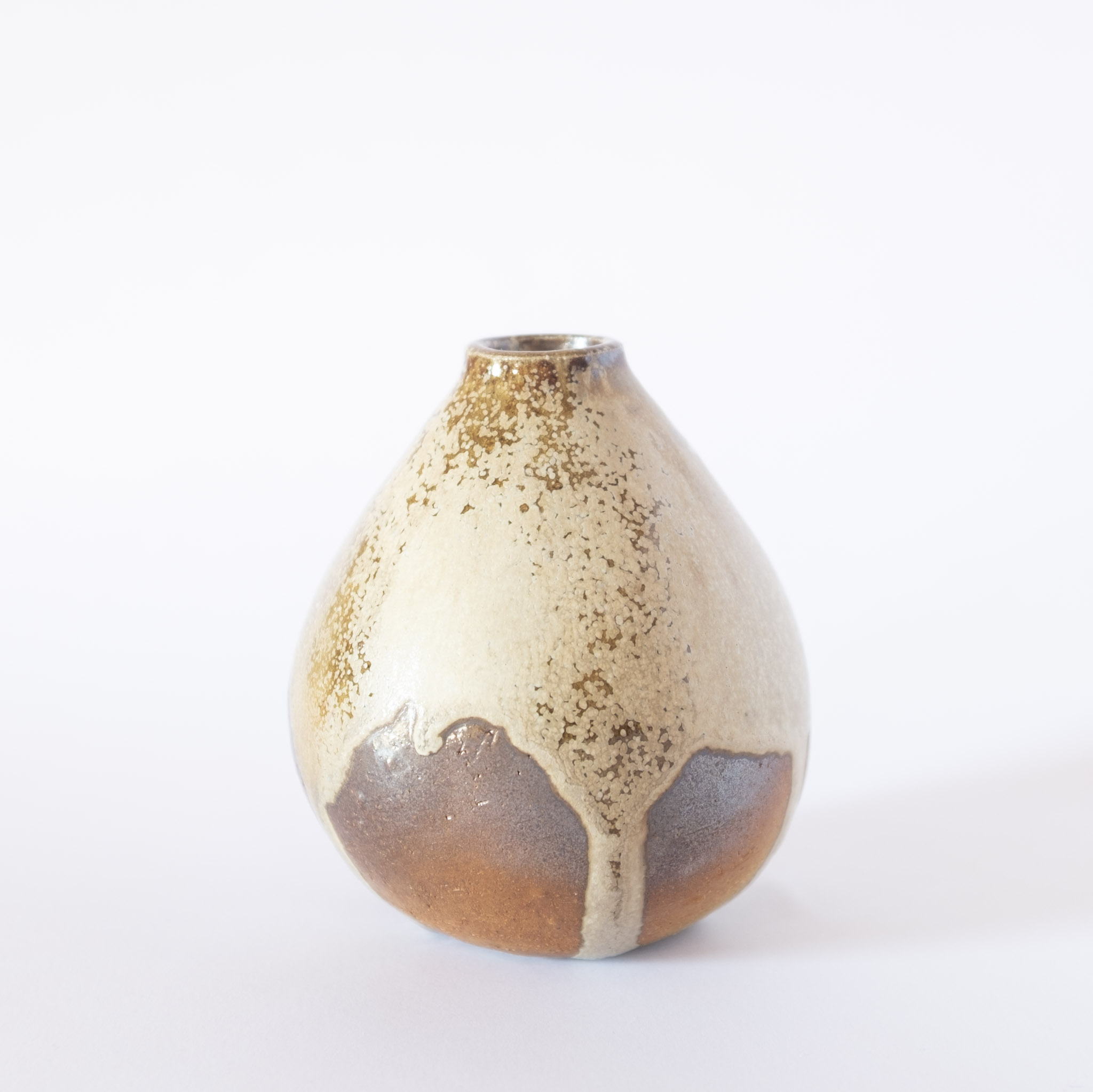
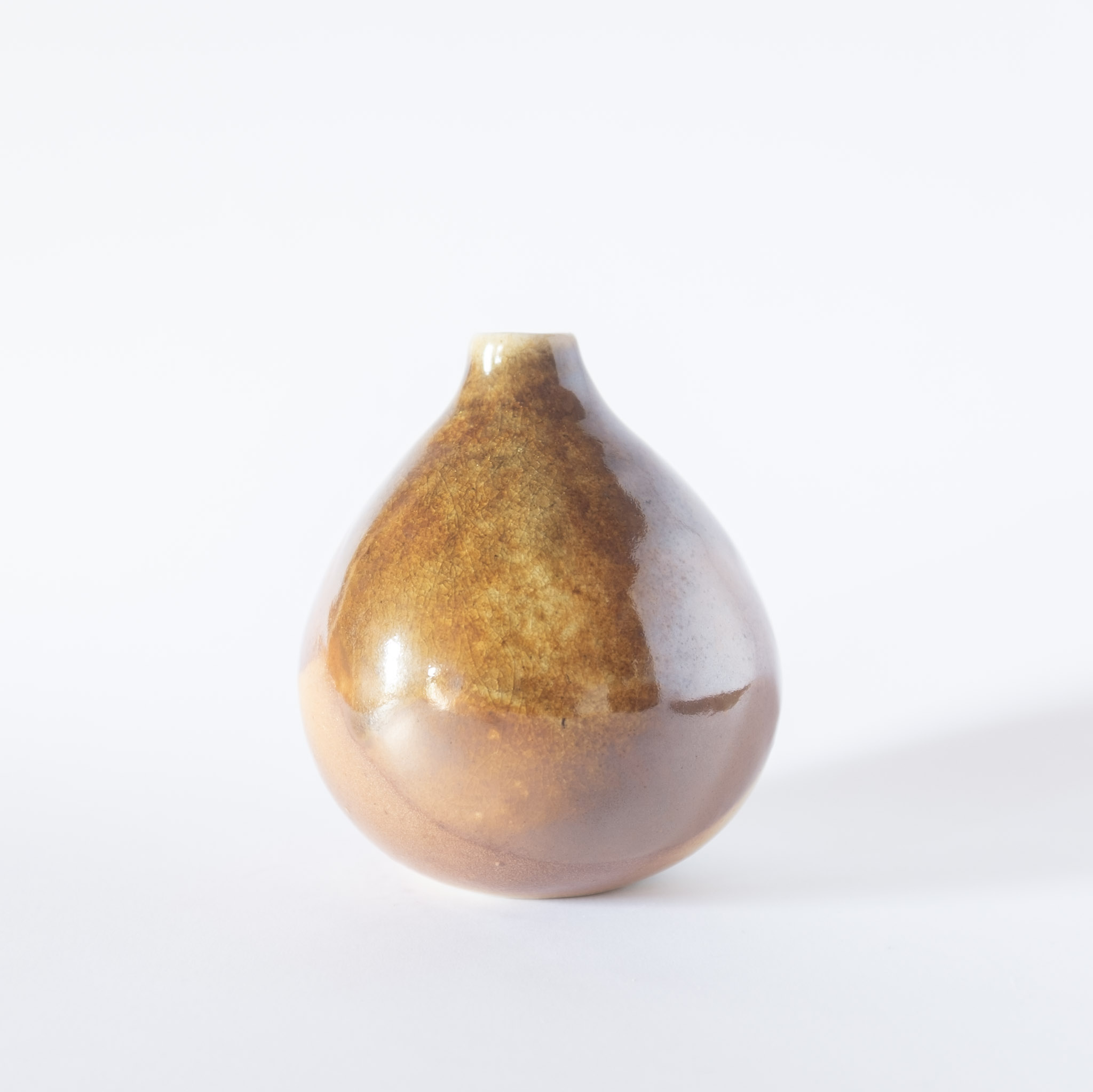
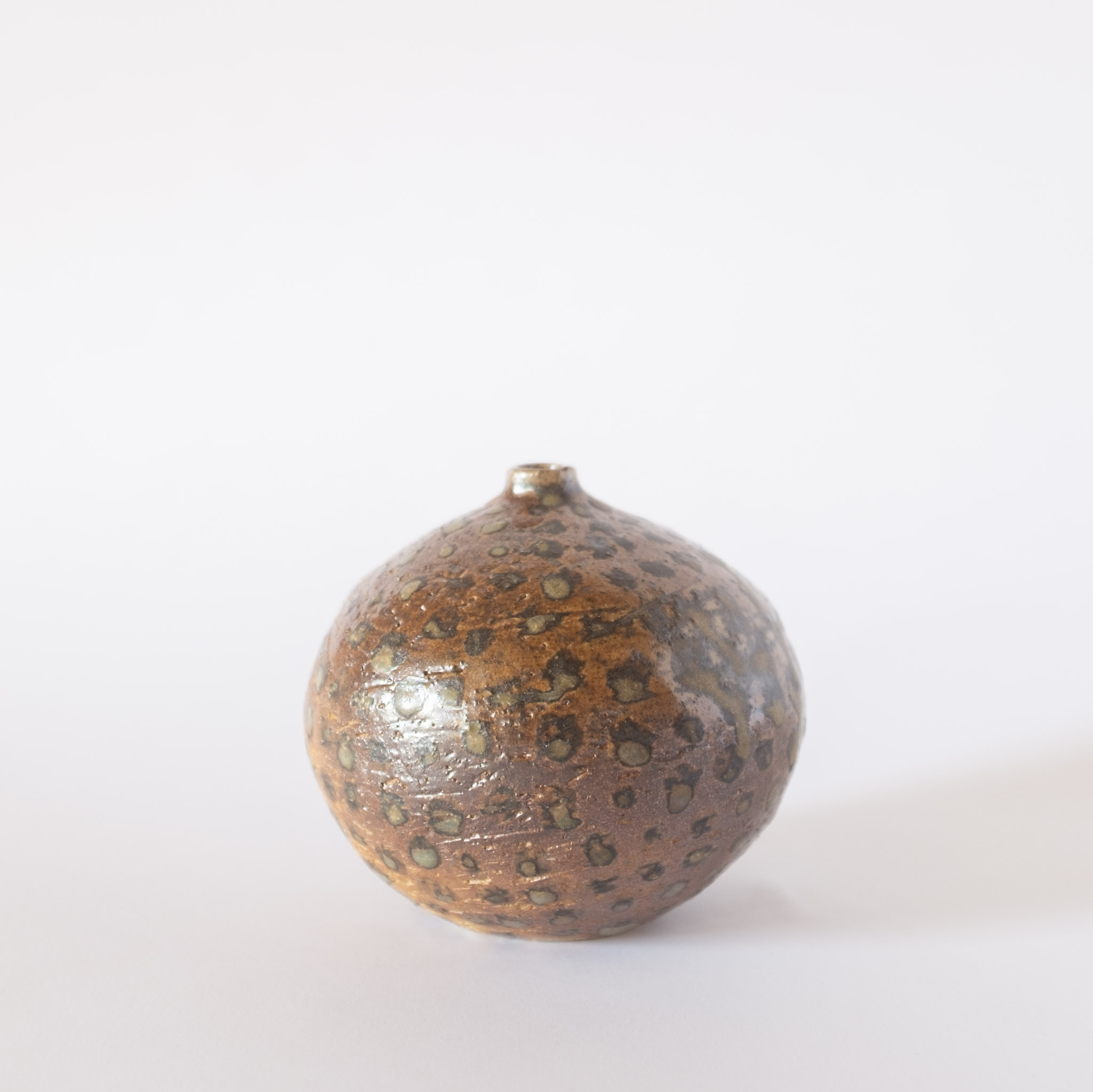
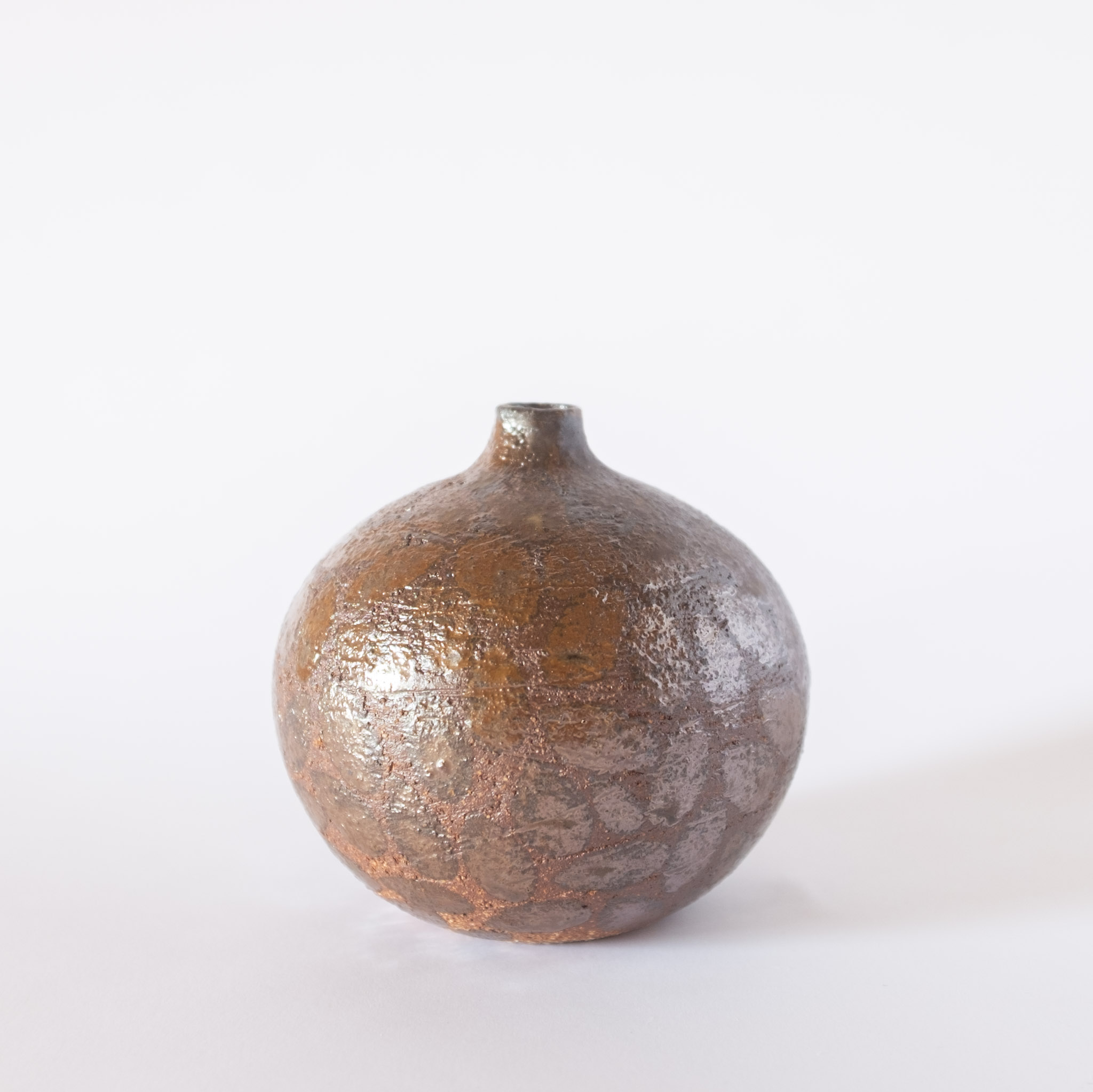
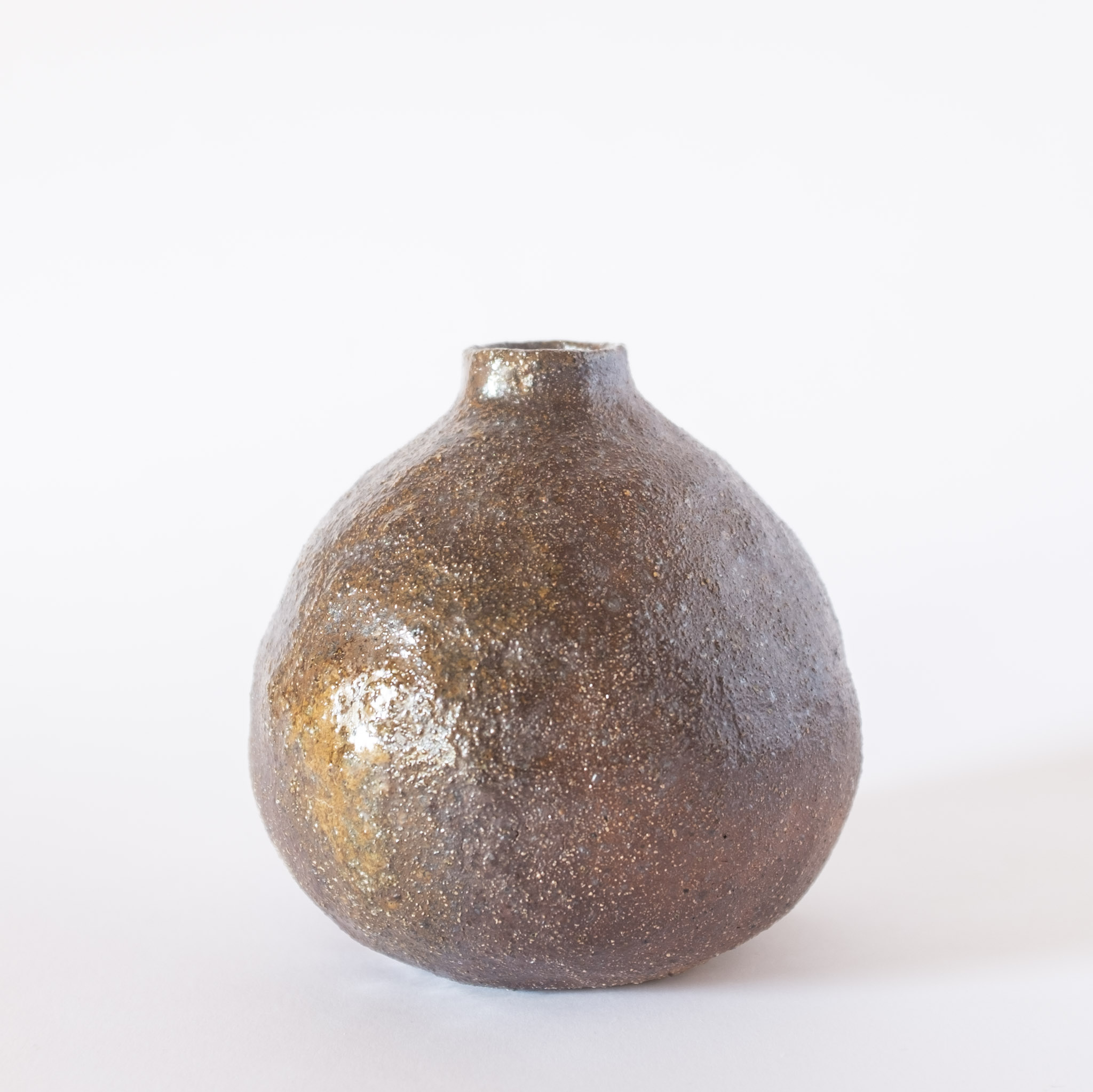
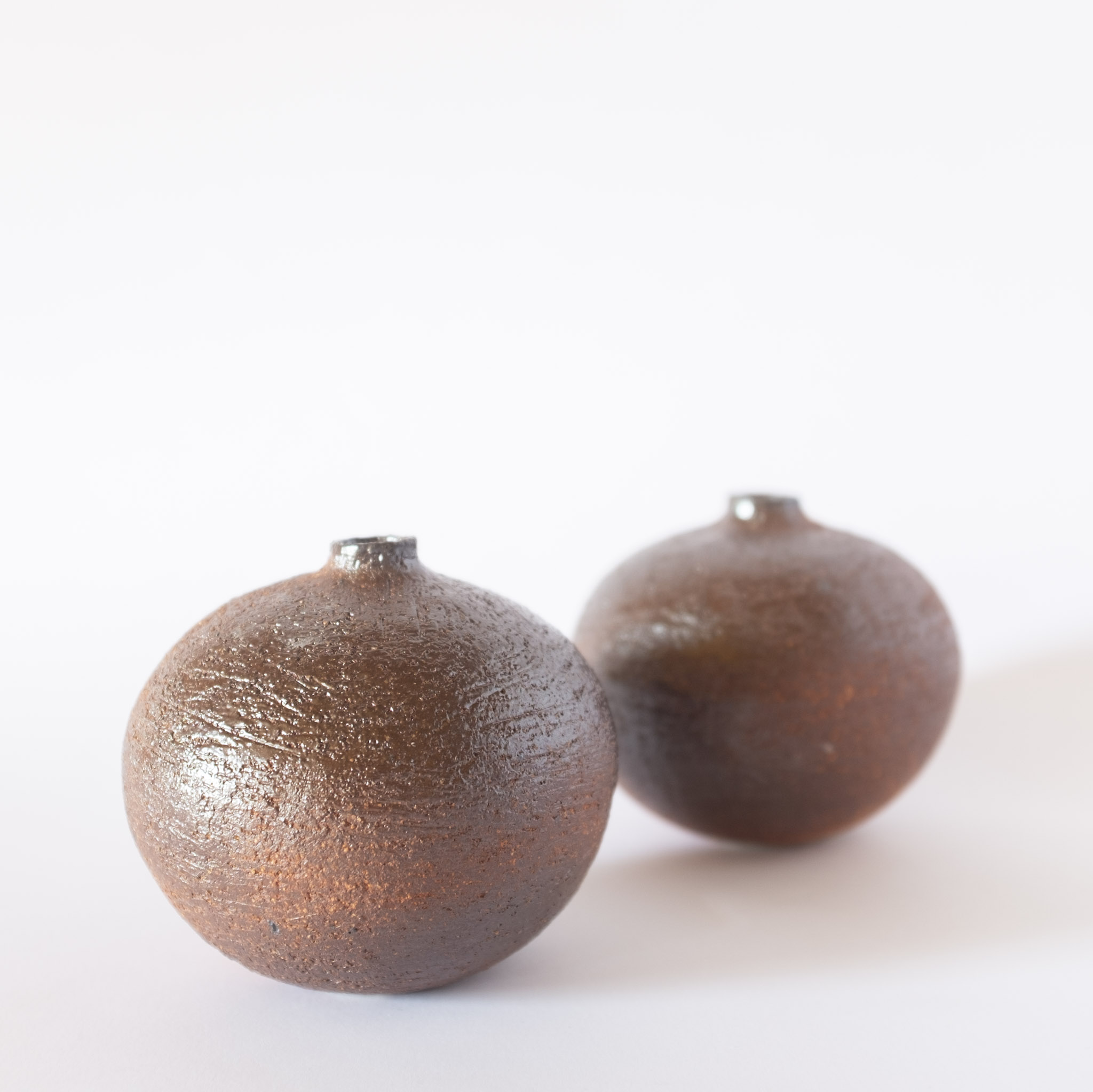
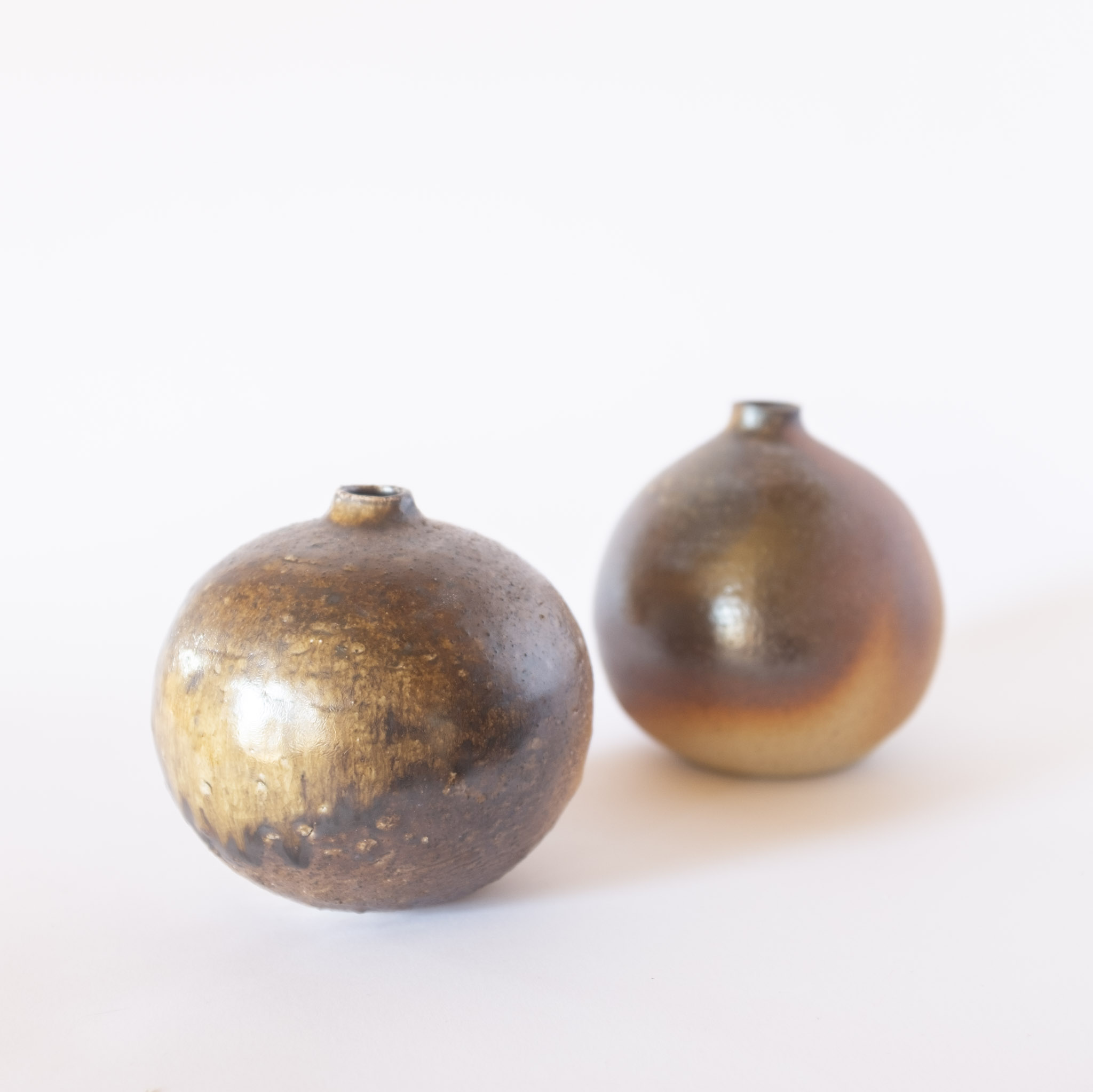
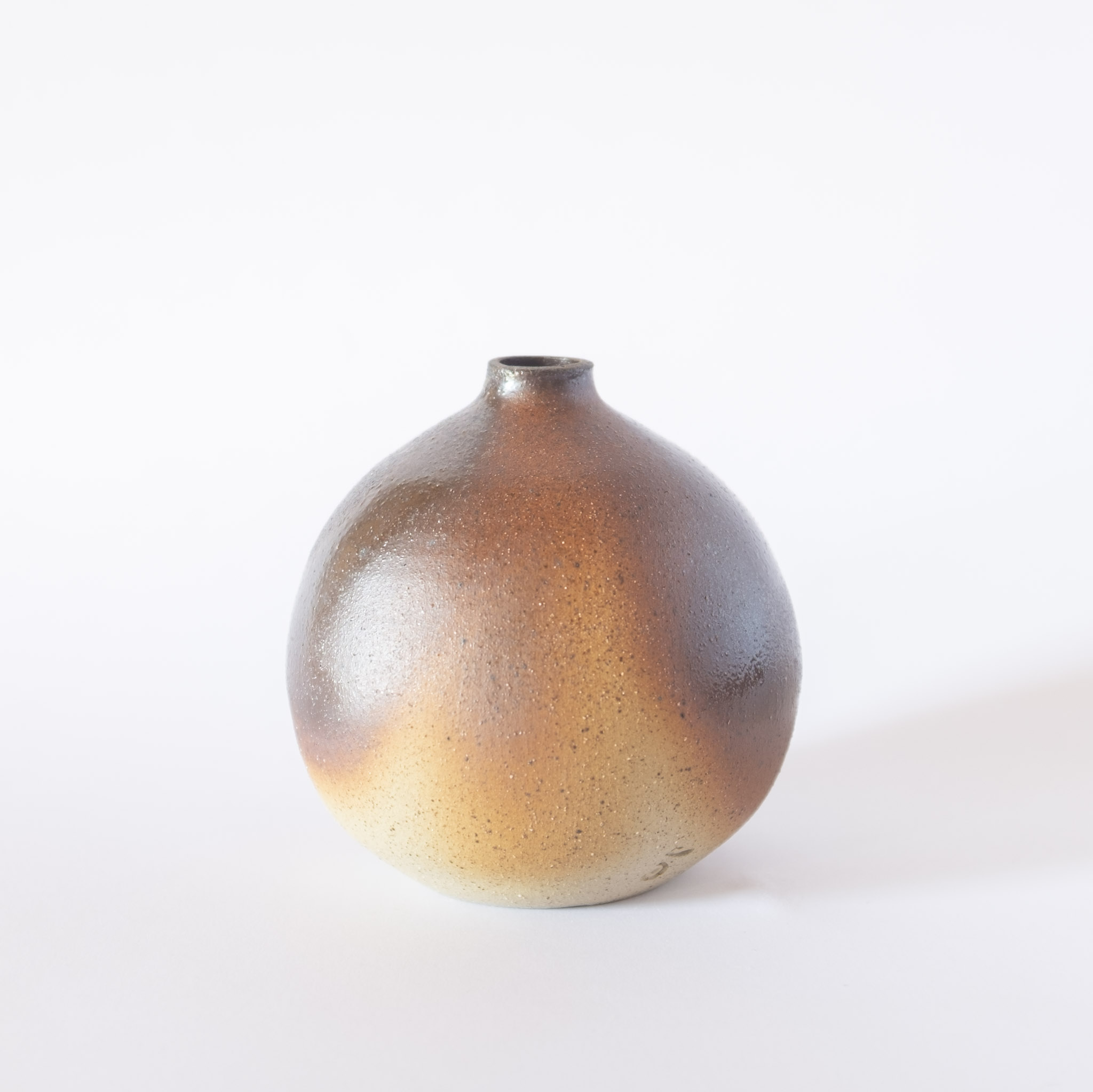
For this firing, the ceramics were glazed with ash gathered from the land around the kiln. Different trees offered different ashes: fruit wood, grapevine, beech bark, spruce and birch, larch and oak. Each carries a distinct mineral composition, a different history of growth and a different relationship to the soil, rain and seasons of this place. Once burned, these materials became something else. Their organic forms disappeared into fire, leaving behind the minerals that could melt upon the clay and become glaze.
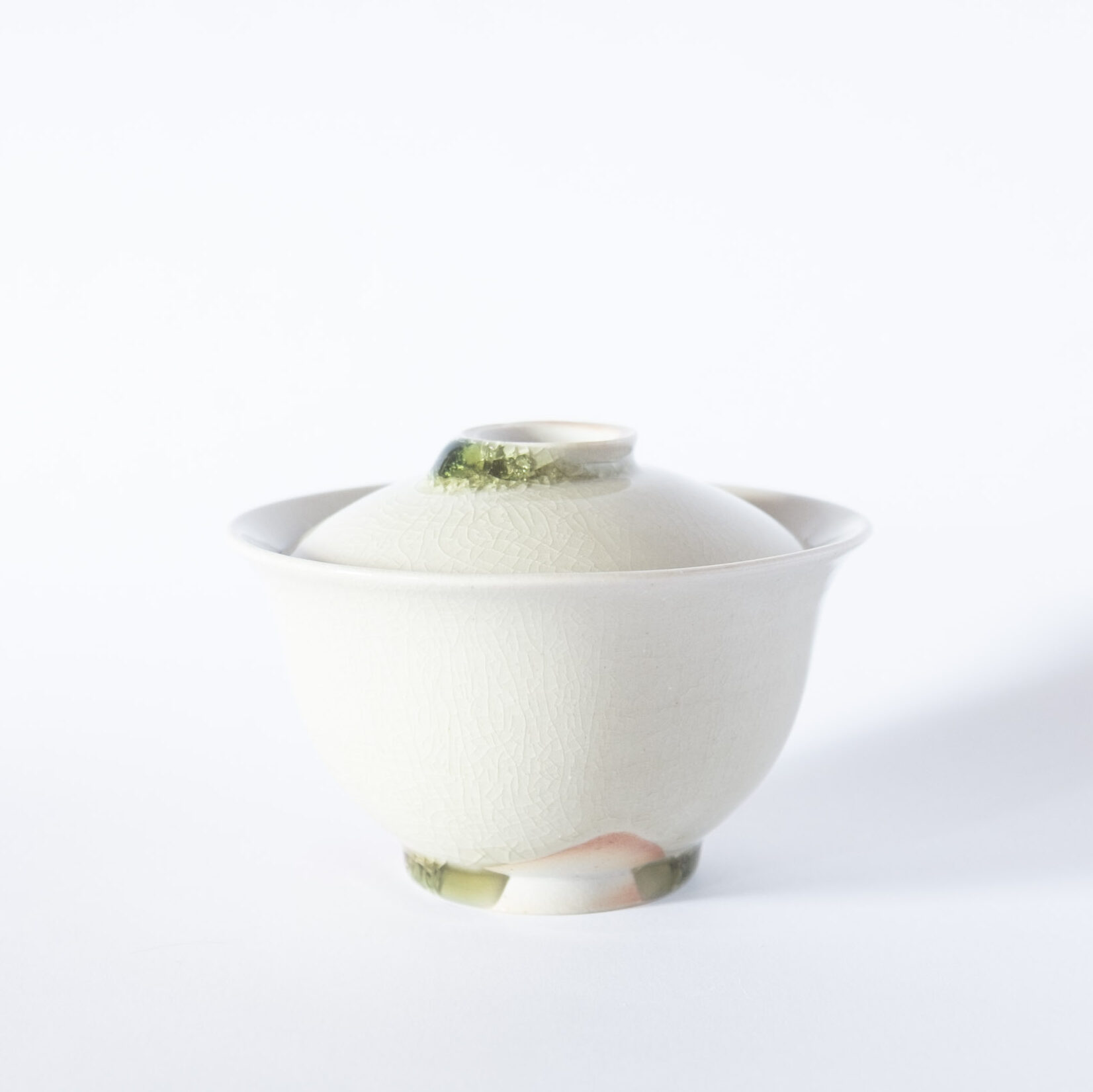
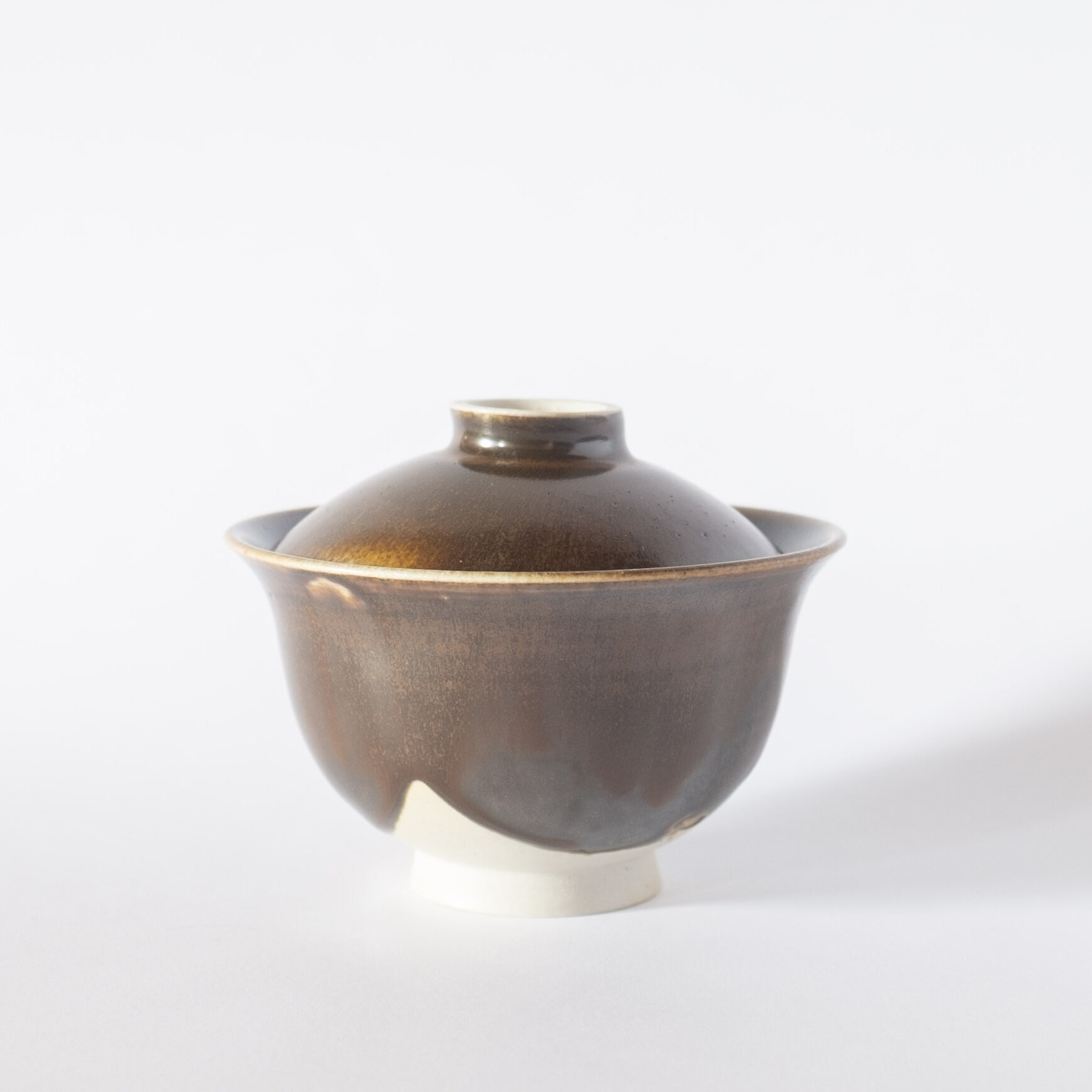
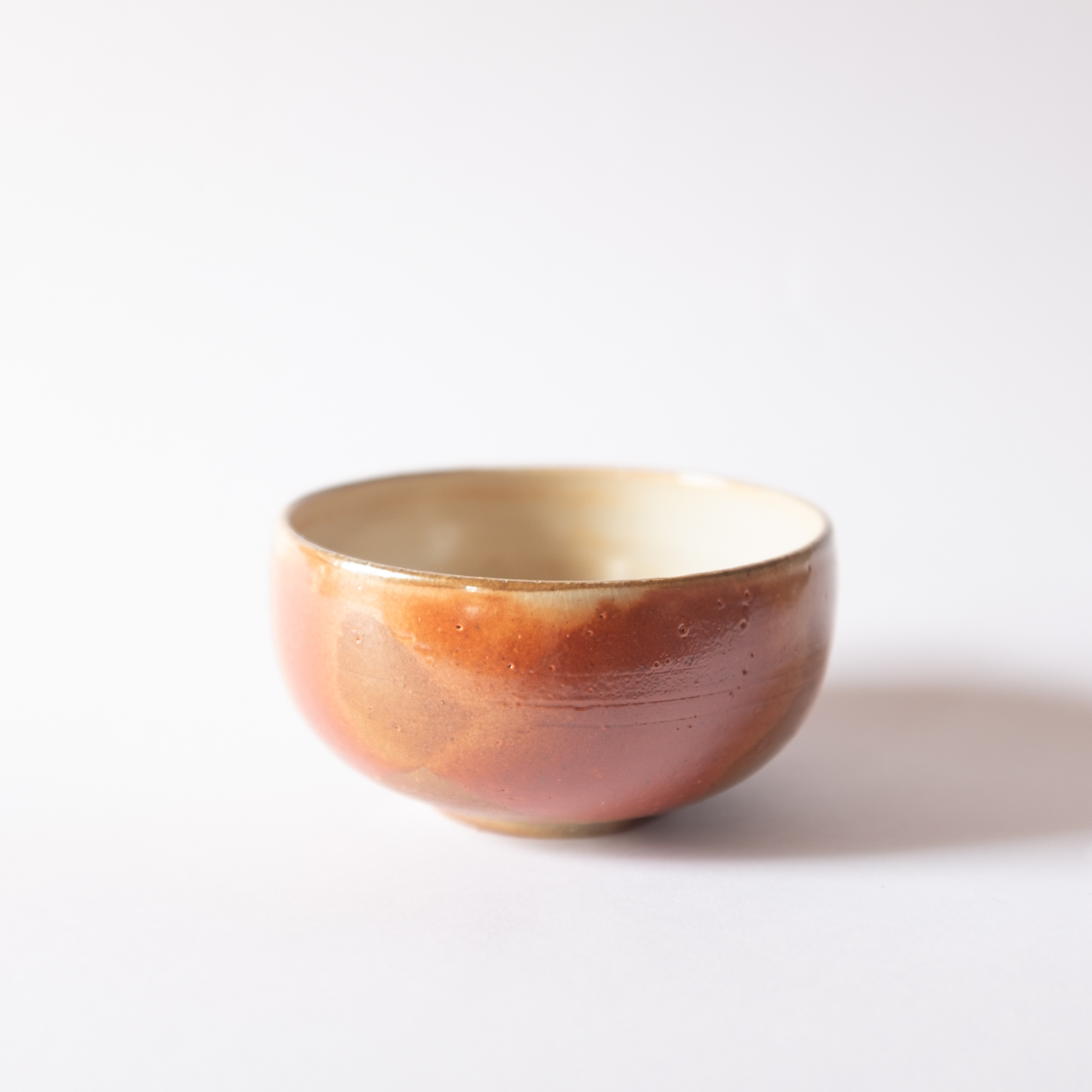
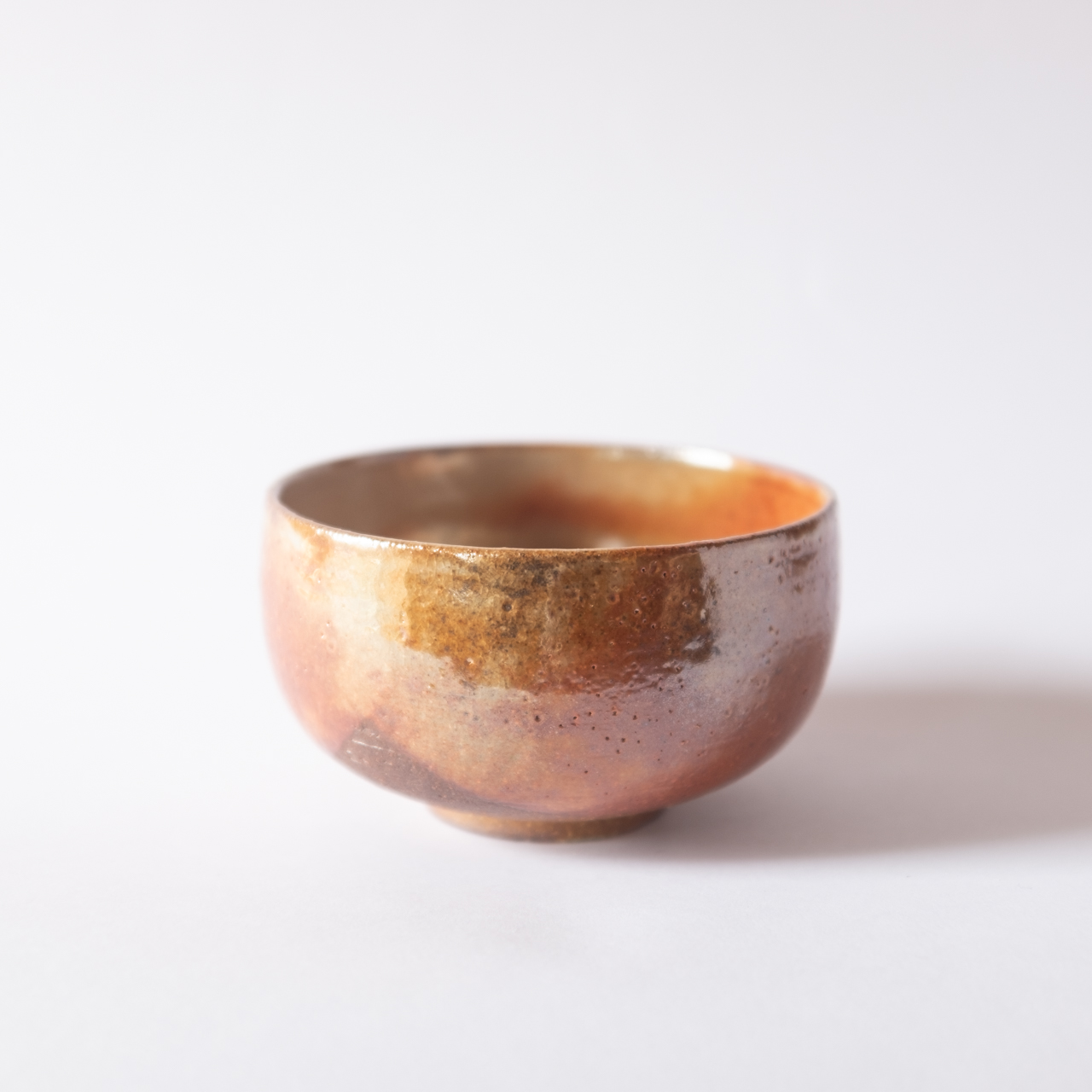
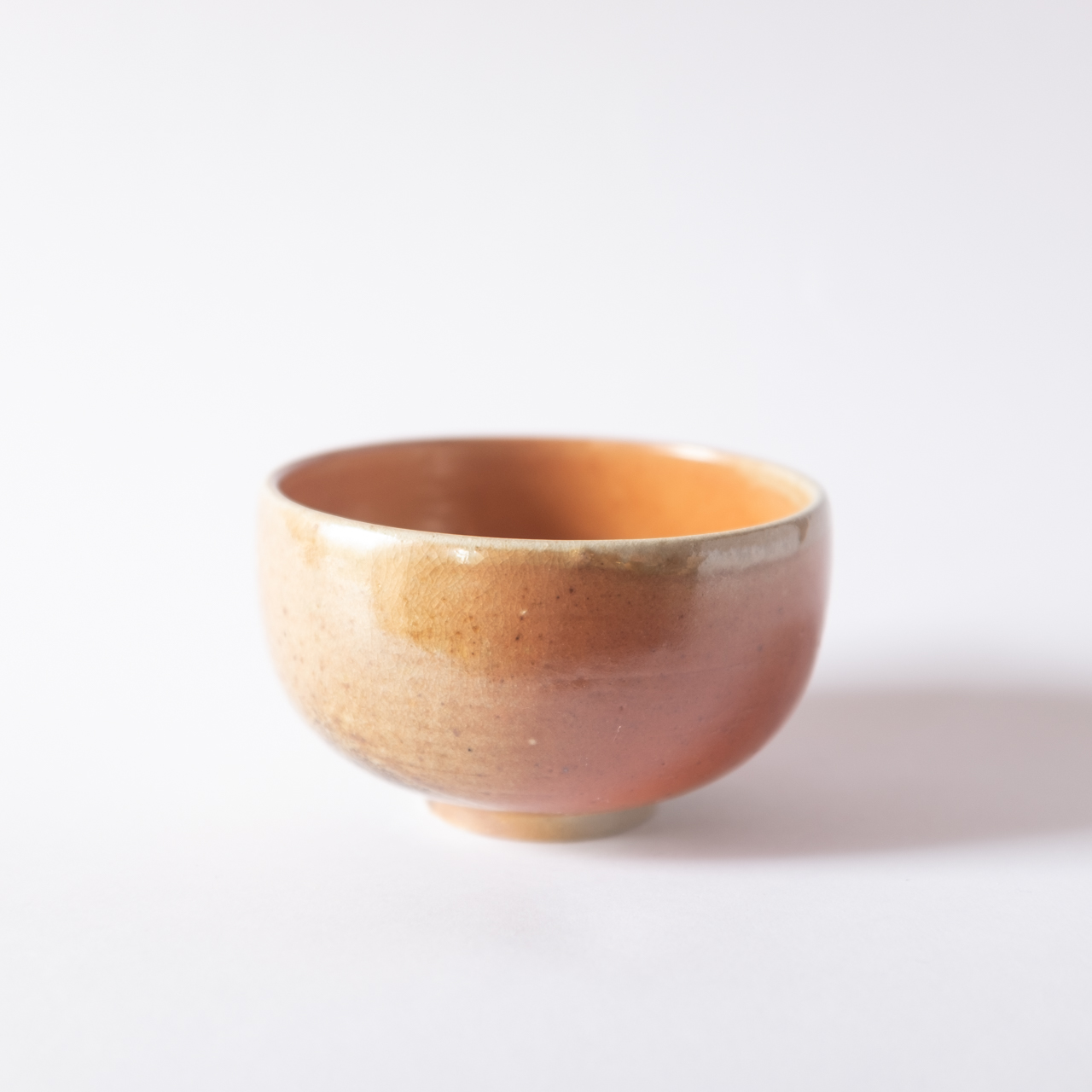
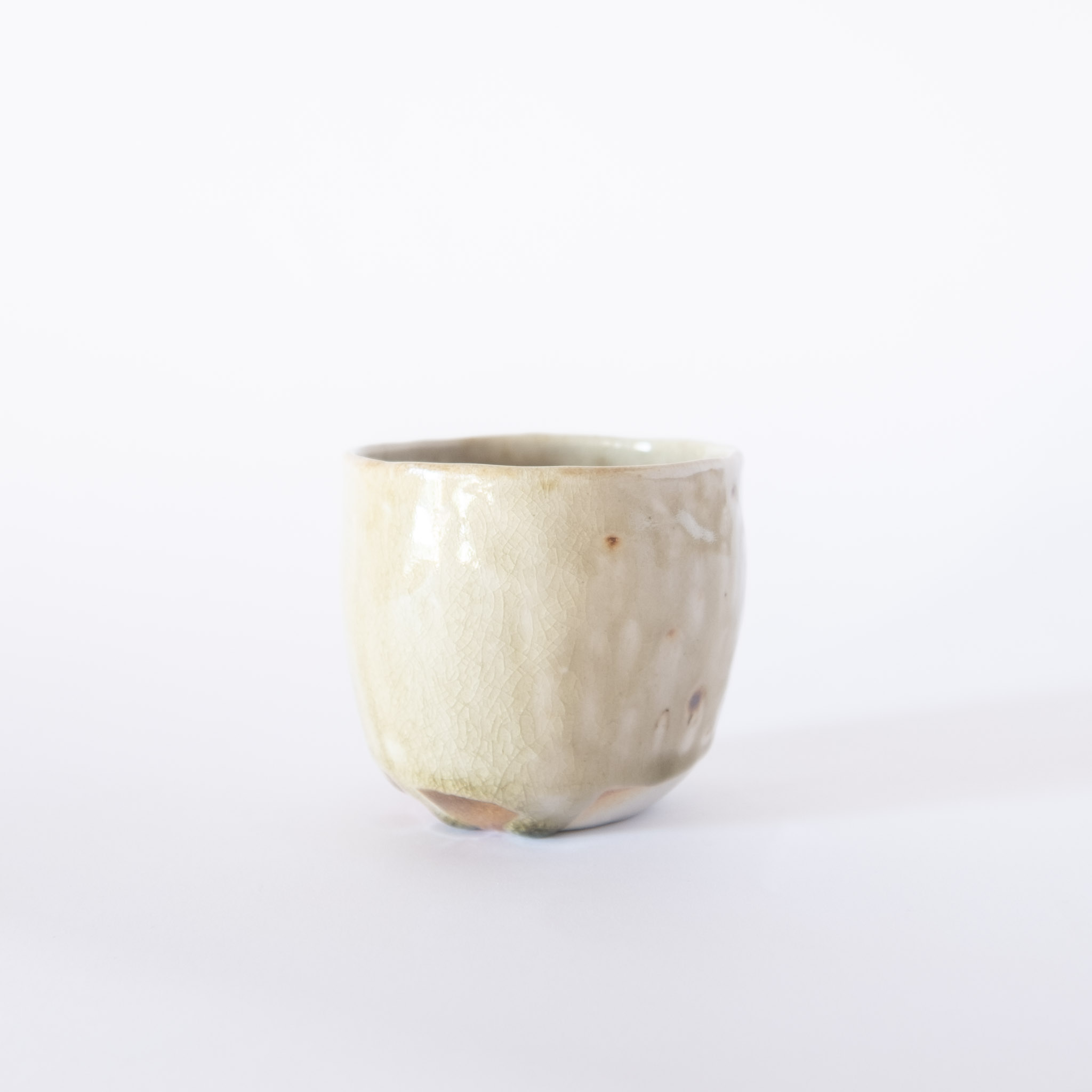
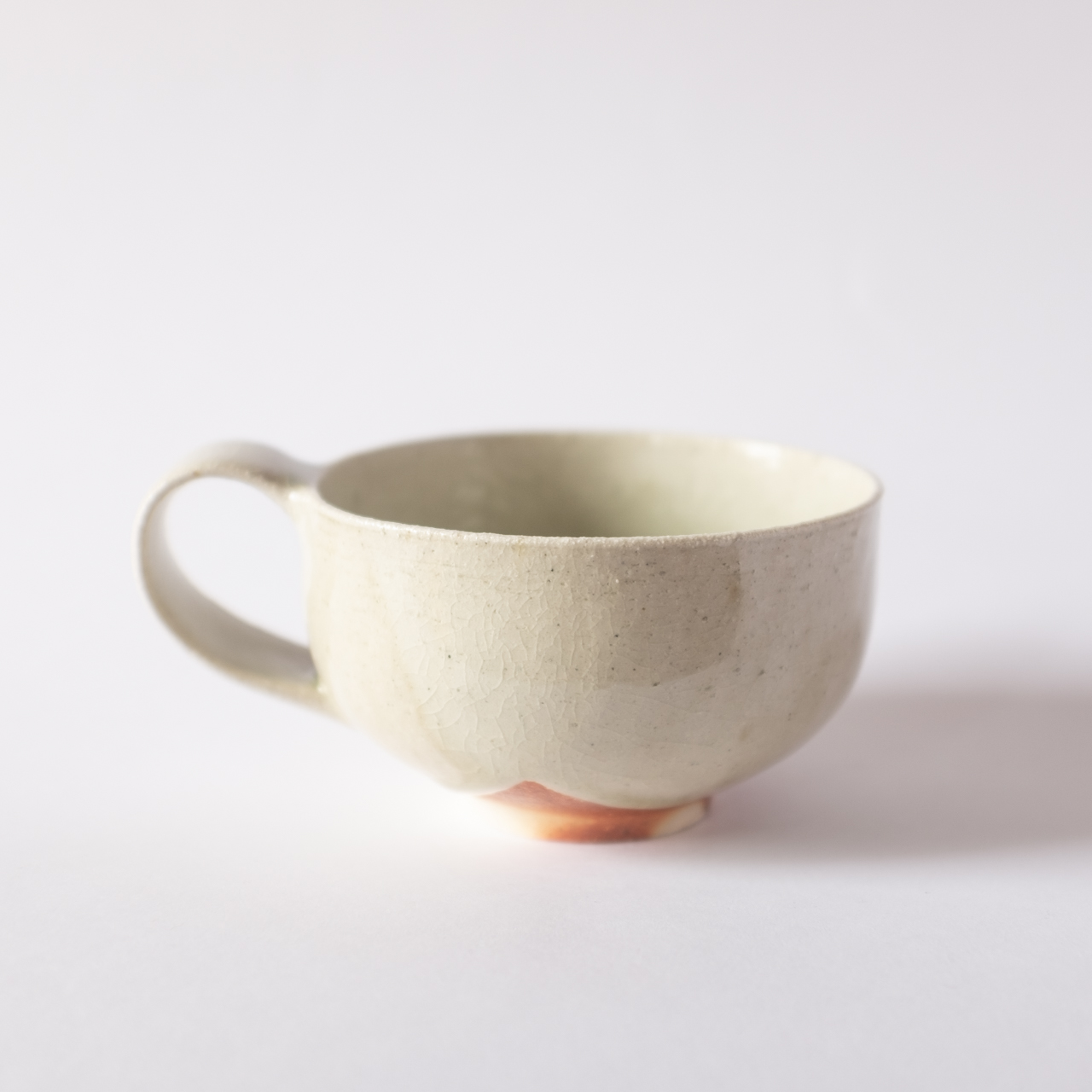
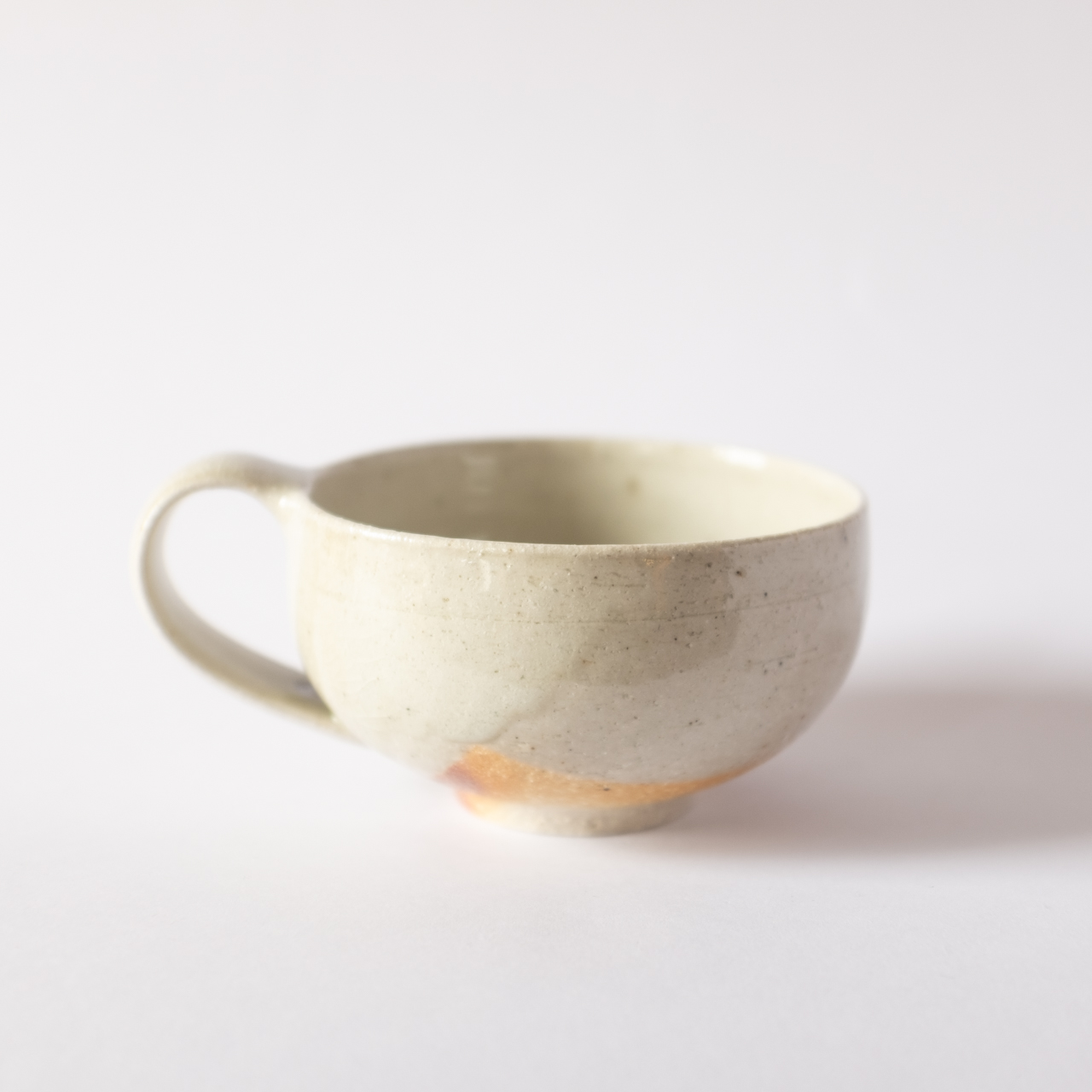
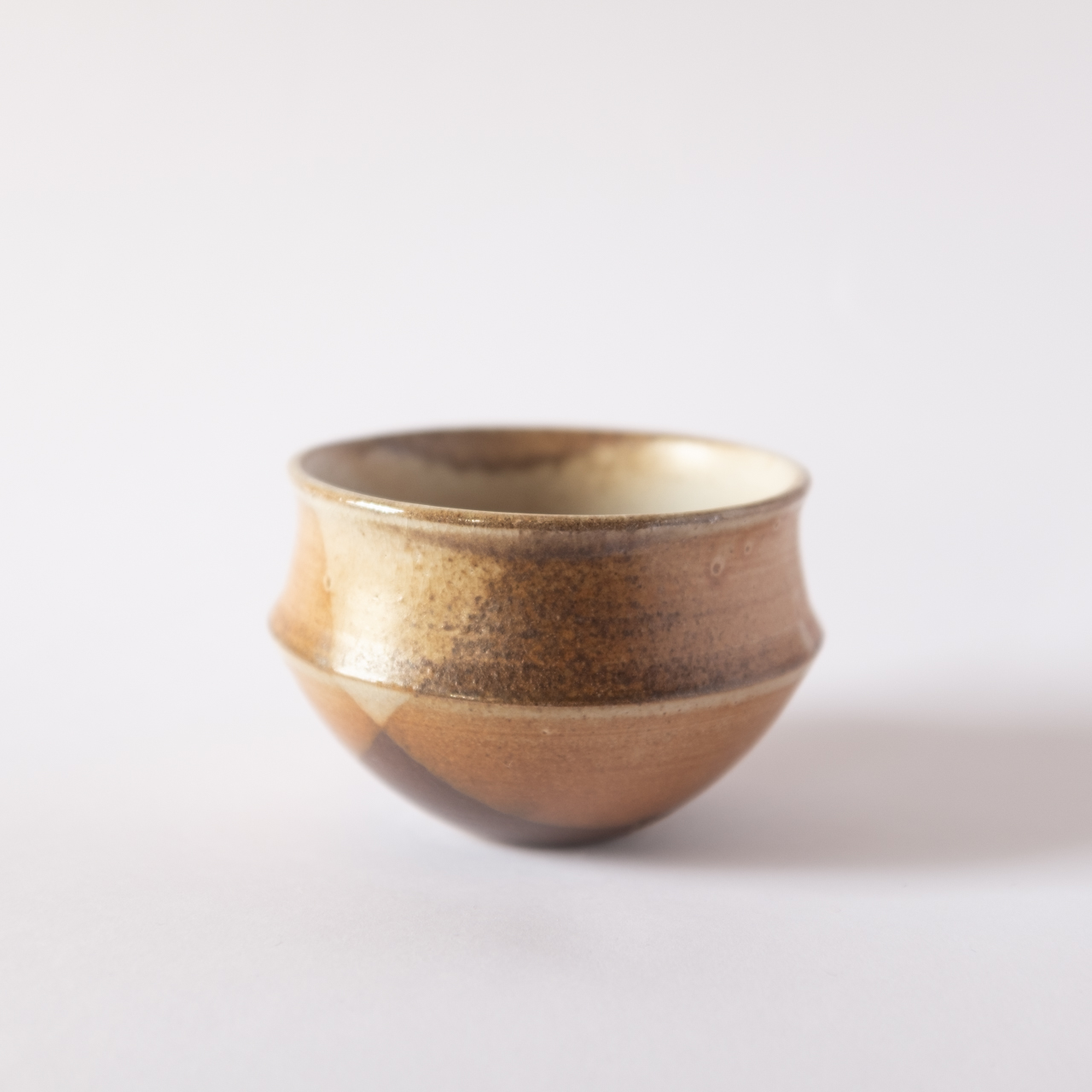
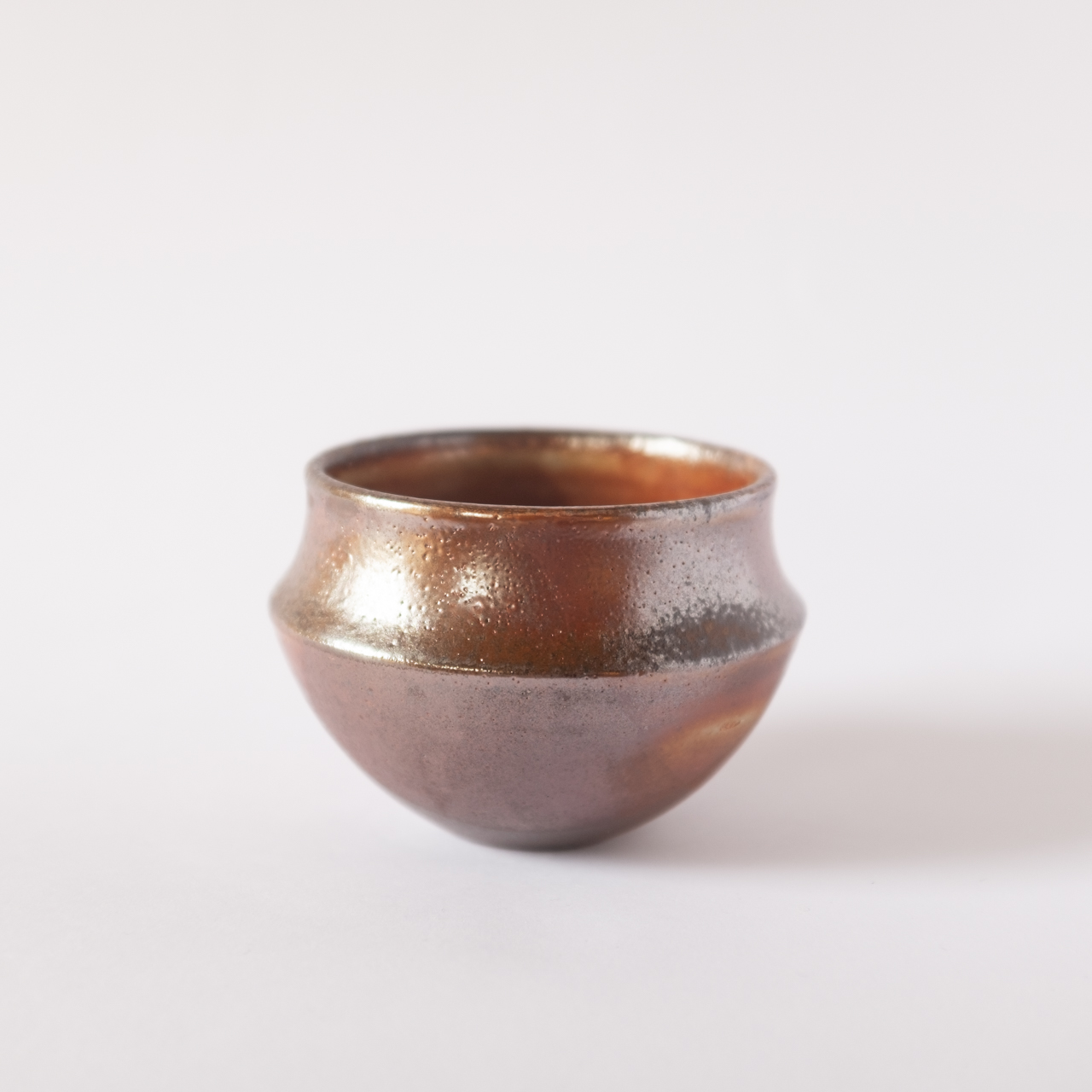
In this way, the landscape entered the kiln as fuel and as surface. The trees growing on the land where the kiln stands became part of the vessels themselves — transformed by fire into translucent layers, flashes of color, dry and wet textures, subtle movement and unexpected depth. Ash settled according to the movement of flame, sometimes melting into glossy pools, sometimes remaining dry and granular, sometimes revealing the path of the fire across the clay.
The ceramics hold this dialogue between light and dark. Some surfaces are luminous, almost illuminated from within; others carry deep earth tones, shadows, smoke and the dense marks of flame. Their variations are records of a firing that could never be completely controlled. Reduction and oxidation crossed one another; ash moved through the kiln; temperature rose and fell; flame found its own paths. Each vessel became a particular encounter between clay, wood, ash, atmosphere and time.
The Fall Equinox reminds us that balance is not stillness. It is a moment within a cycle — a brief meeting of forces before the movement changes direction. Light begins its retreat and darkness begins to lengthen. The abundance of the growing season turns toward gathering, decay and return. Leaves release themselves from the trees; what has grown outward begins to move inward, back toward soil.
The kiln follows a similar cycle. Wood gives itself to flame. Flame gives itself to heat. Heat transforms the clay. The trees become ash; the ash becomes glaze; the glaze becomes part of an object that may remain long after the fire has gone dark. What appears to be disappearance becomes another form of presence.
This gallery holds the traces of that passage. These vessels were shaped from earth and fired with the living materials of the land surrounding the kiln. Fruit wood, grapevine, beech, spruce, birch, larch and oak all passed through the fire, leaving their mineral remains upon the ceramics. They carry the particular memory of this place and this season — the threshold between light and darkness, growth and release, fire and ash, ending and becoming.
At the equinox, the two are briefly equal. Then the world begins its turn toward darkness. These works were born at that turning.
To purchase any of them write us to: shop@anjaslapnicar.com.